Can a Table Saw Cut Metal? What to Understand
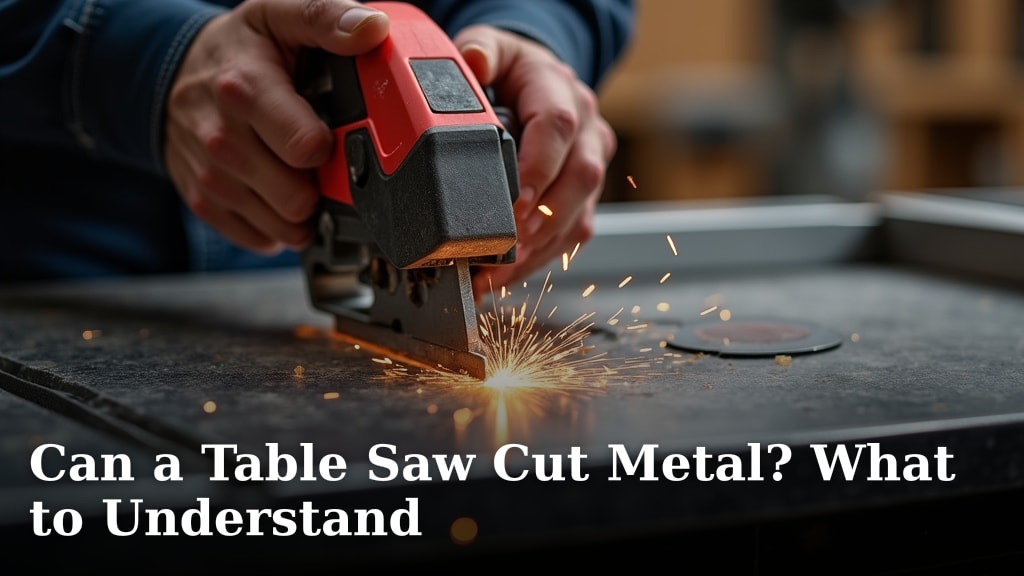
Yes, you can cut metal with a table saw, but it’s not as simple as ripping a piece of lumber. You need the right blade, the proper technique, and a clear understanding of the safety precautions involved. Cutting metal requires a different approach than wood to avoid damage to your saw and ensure your safety.
Many DIYers wonder if their trusty table saw can handle metal projects. While it’s possible, it’s crucial to know that not all table saws are designed for this task. Using the wrong setup can lead to dangerous kickback and ruin both your saw and the metal you’re trying to cut. We’ve researched this thoroughly.
- Table saws *can* cut metal.
- You must use a metal-cutting blade.
- Safety is extremely important.
- Not all table saws are suitable.
- Coolant might be necessary.
Let’s walk through what you need to understand before you attempt to cut metal with your table saw.
Is It Okay to Cut Metal on a Table Saw?
Yes, you absolutely can cut metal with a table saw, but it’s not like cutting wood. You’ll need to make some important changes to your setup. Think of it like trying to run a marathon in flip-flops; it’s not the right footwear for the job. Your table saw can handle metal, but only with the correct accessories and approach. We’ve found that making these adjustments is key to a successful and safe cut.
Understanding the Differences Between Cutting Wood and Metal
Wood is relatively soft and porous. Metal is dense and hard. This fundamental difference affects how you cut. When you cut wood, the teeth of your blade quickly remove material. With metal, the blade needs to grind and shear the material away. This creates more friction and heat. It also produces different types of chips or dust. Proper preparation is essential for both safety and efficiency. Many experts recommend treating metal cutting with extra caution.
Blade Speed and Tooth Design Matter
Woodworking blades spin fast. This high speed works well for wood. For metal, you generally need a slower blade speed. This allows the blade to engage the metal properly without overheating. The teeth on a metal-cutting blade are also different. They are usually fewer in number and made of harder materials like carbide. These teeth are designed to shear through tough metals. You might also see blades designed for specific metals, like aluminum or steel. Choosing the right blade is your first, most important step. We found that using the wrong blade can damage both the blade and your saw.
Heat is Your Enemy (and a Safety Hazard)
Cutting metal generates a lot of heat. This heat can quickly damage your saw blade, making it dull or even warping it. More importantly, excessive heat can cause kickback or damage the metal itself. It can also create dangerous fumes or sparks. This is why using a lubricant or coolant is often recommended. A coolant helps to dissipate the heat. It also lubricates the cut, making it smoother. Think of it like oil for an engine; it keeps things running cool and prevents wear. Some materials even require specific types of coolant. Always research the best coolant for the metal you are cutting.
Choosing the Right Blade for Metal Cutting
This is non-negotiable. You cannot use a standard wood-cutting blade to cut metal. Trying to do so is a recipe for disaster. It will dull your blade instantly, create excessive heat, and likely result in dangerous kickback. You need a specialized metal-cutting blade. These blades are designed with specific tooth geometry and materials. They can withstand the forces and heat involved in cutting metal.
Types of Metal-Cutting Blades
When you look for metal-cutting blades for your table saw, you’ll see a few common types. Abrasive blades are often used for cutting metal, but they can create a lot of dust and heat. Carbide-tipped blades are more common for table saws and offer cleaner cuts. We found that carbide-tipped blades often provide better control and longevity for this type of task. Look for blades specifically labeled for cutting the type of metal you have. Steel, aluminum, and thicker metals will require different blades.
Tooth Count and Material
Metal-cutting blades typically have fewer teeth than wood blades. This is because each tooth needs to do more work. A lower tooth count means each tooth is larger and more robust. The material of the blade is also critical. High-speed steel (HSS) and carbide are common. Carbide-tipped blades are generally preferred for their durability and ability to cut harder metals. Always check the blade’s specifications to ensure it’s rated for the metal thickness and type you plan to cut.
Safety First: Essential Precautions for Metal Cutting
Safety cannot be stressed enough when cutting metal with a table saw. It’s a much more demanding task than woodworking. The potential for injury is significantly higher. Always wear appropriate personal protective equipment (PPE). This includes safety glasses or a face shield, hearing protection, and sturdy gloves. Never skip these steps. We found that even experienced woodworkers can underestimate the risks involved.
Protecting Your Eyes and Skin
Metal cutting can produce sharp shards, sparks, and hot debris. Safety glasses are a minimum requirement. A full face shield offers better protection. Wear long sleeves and pants made of durable material. You want to avoid direct contact with any flying debris. Gloves are important, but make sure they don’t interfere with your grip on the workpiece. Loose clothing can get caught in the blade, which is extremely dangerous. Always keep your hands well away from the cutting area.
Controlling Sparks and Fumes
When metal heats up, it can produce sparks. These sparks can be a fire hazard. Ensure your work area is clear of any flammable materials. Have a fire extinguisher nearby, just in case. Some metals, when cut, can also produce fumes. If you’re cutting materials like galvanized steel, the coating can release toxic fumes. Always ensure you have good ventilation in your workspace. If working indoors, consider using an air filtration system. This helps clear the air of dust and fumes.
Preventing Kickback
Kickback is when the material being cut is suddenly and violently thrown back towards the operator. It’s a major risk when cutting metal. This can happen if the blade binds in the cut, or if the material shifts unexpectedly. Using a sharp, appropriate blade is crucial. Ensure the blade is properly aligned and that your table saw’s riving knife or splitter is in place. Some experts recommend using a push stick or push block at all times to keep your hands away from the blade and help guide the material. Never force the cut. Let the blade do the work at a steady pace.
Preparing Your Table Saw for Metal Cutting
Your table saw needs some adjustments before you can safely cut metal. Think of it as getting ready for a specialized task. You wouldn’t use a chef’s knife to chop down a tree, right? Similarly, you need to set up your saw correctly for metal.
Blade Installation and Alignment
Make sure you have the correct metal-cutting blade installed. Double-check that it’s tightened properly. The blade should be perfectly aligned with your miter slots. Any misalignment can cause binding and kickback. Ensure your blade guard is functional if you are using one. Some metal cutting applications may require removing the blade guard for better visibility or access, but this significantly increases risk. If you must remove it, ensure you have extreme caution and proper safety measures in place. We found that a well-aligned blade is fundamental to safety.
Using Coolant or Lubricant
As we discussed, heat is a major concern. For many metal cutting jobs, especially with thicker or harder metals, you’ll need a coolant. This could be a specialized cutting fluid, a spray lubricant, or even water. You’ll apply it to the blade and the cut line as you work. Some table saws have provisions for coolant delivery, but many do not. You might need to manually apply it. Be careful not to get coolant on the motor or electrical components of your saw. Always follow the coolant manufacturer’s instructions. Many experts suggest this step for longer blade life and safer cuts.
Securing the Material
Metal can be slippery and heavier than wood. It’s vital to secure your workpiece properly. Use clamps to hold the metal firmly to the table saw fence or sled. This prevents it from shifting during the cut. Never try to hold small pieces of metal by hand. Use appropriate jigs or holding devices. A secure workpiece reduces the risk of kickback and ensures a straighter cut. We found that a sturdy grip on the material is critical for control.
Table Saw vs. Specialized Metal Cutting Tools
While a table saw *can* cut metal, it’s important to consider if it’s the best tool for the job. Table saws are primarily designed for wood. For frequent or heavy-duty metal cutting, specialized tools are often more efficient and safer. Think about the type of metal and the volume of work you plan to do.
| Tool | Pros | Cons |
|---|---|---|
| Table Saw | Versatile for occasional cuts. Uses existing equipment. | Requires specialized blades and careful setup. Can be slow. High risk if not done correctly. |
| Metal Cutting Saw (e.g., Chop Saw) | Designed specifically for metal. Faster cuts. Often includes coolant systems. | Single-purpose tool. Takes up more space. Can be expensive. |
| Angle Grinder | Portable and versatile for various cuts and grinding. | Very noisy. Produces sparks and dust. Requires significant skill to control for precise cuts. |
| Band Saw (Metal Cutting) | Precise cuts, especially for curves. Good for continuous operation. | Slower than chop saws. Requires specific metal-cutting blades. |
For light, occasional metal cuts, adapting your table saw might be acceptable. However, for more demanding projects, investing in a tool made for metal is often a wiser choice. We found that many DIYers find specialized saws easier to use and safer for metal.
A Quick Checklist Before You Cut Metal
Before you even think about powering up your saw for metal, run through this quick checklist:
- Is your blade specifically for cutting metal? (No exceptions!)
- Are you wearing all required PPE? (Glasses, hearing, gloves)
- Is the area clear of flammable materials?
- Do you have a fire extinguisher nearby?
- Is your metal workpiece securely clamped?
- Do you know the proper coolant or lubricant to use?
Conclusion
Cutting metal with your table saw is possible, but it demands your full attention and the right setup. You’ve learned that using a specialized metal-cutting blade is non-negotiable, and understanding the intense heat generated is key to safety. Proper PPE, securing your workpiece, and managing sparks are critical steps you must take. Before you start your next metal project with the table saw, make sure you’ve reviewed this information and feel confident about your setup. If your metal cutting needs are frequent or heavy-duty, consider if a specialized tool might be a safer, more efficient choice for your workshop.
Frequently Asked Questions
Can I use the same blade for wood and metal on my table saw?
No, you absolutely cannot. Using a standard wood blade on metal will likely ruin the blade instantly, create excessive heat, and significantly increase the risk of dangerous kickback. You must switch to a blade specifically designed for cutting metal.
How do I keep my table saw blade from overheating when cutting metal?
Heat is metal cutting’s biggest challenge. You’ll often need to use a coolant or lubricant applied to the blade and cut line. This helps dissipate heat, lubricates the cut for smoother progress, and extends your blade’s life. Always use the recommended coolant for the specific metal you are cutting.
What kind of safety gear is most important when cutting metal on a table saw?
Your safety gear is critical. You must wear safety glasses or a full face shield to protect your eyes from sharp debris and sparks. Hearing protection is also essential due to the noise. Sturdy gloves are important, but ensure they don’t hinder your grip on the material.
Is it safe to cut thin sheet metal with a table saw?
Cutting thin sheet metal can be challenging and still carries risks, including sharp edges and potential for the metal to get pulled into the blade. You’ll need a blade designed for sheet metal and must ensure it’s firmly clamped to prevent movement. Always use a push stick or block.
When should I consider using a different tool instead of my table saw for metal cutting?
If you plan to cut metal frequently, need to make many precise cuts, or are working with very thick or hard metals, a specialized tool like a metal-cutting chop saw or bandsaw will likely be more efficient and safer. Your table saw is best for occasional, lighter metal tasks.