What Is a Compact Table Saw? Plain and Simple
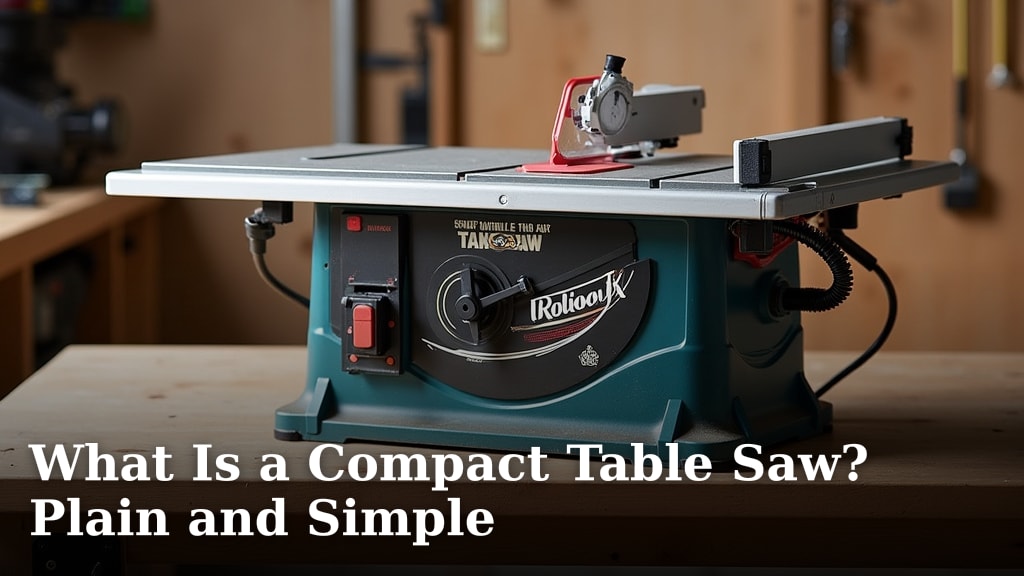
A compact table saw is a smaller, portable version of a standard table saw. It’s designed for easy transport and storage, making it ideal for small workshops or job sites where space is tight. You might be wondering how it compares to its bigger cousin, but its main advantage is its reduced size.
What a Compact Table Saw Really Does
At its core, a compact table saw is a scaled-down version of the traditional table saw, built for mobility and space efficiency. We found that these tools are engineered to deliver essential cutting functions in a package that’s easy to move and store. Think of it as the sedan of the saw world: not the biggest truck, but perfectly capable for most daily tasks.
Unlike a full-size cabinet saw, a compact model doesn’t demand a dedicated corner of your garage. Its smaller footprint means it can sit on a benchtop or be carried to a job site in the back of a car. For many, this blend of practicality and performance is exactly what’s needed for home projects or light professional work.
How It Stands Apart from Full-Size Models
The most obvious difference is size. A standard table saw often weighs over 250 pounds, while a compact version typically stays under 60 pounds. This makes it a solo lift for most adults, which is a huge plus if you’re working alone.
Power is another key area. Compact saws usually run on 15-amp motors, which is ample for most hardwoods and sheet goods. However, they may struggle with very thick or dense materials where a 3- or 5-horsepower motor would excel. It’s about matching the tool to the task.
Portability in Action
You can literally grab the handle and take it to a friend’s house or a client’s garage. Many experts say this portability is the primary reason people choose compact models over stationary ones (Trade Tool Review).
Everyday Uses That Make Sense
Where does a compact saw shine? It’s ideal for cutting plywood sheets for a bookshelf, trimming boards for a deck railing, or making precise rip cuts for a cabinet project. It’s the go-to tool for DIYers who need straight, clean cuts without the bulk.
We found it’s particularly popular for finish carpentry and small-scale furniture building. The ability to set it up quickly and break it down fast keeps your workflow smooth and your workspace clear.
Key Features That Really Matter
When you’re shopping, don’t just look at the size. Pay close attention to the features that affect cut quality and safety. These details can make the difference between a frustrating tool and a reliable one.
Motor Power and Blade Size
The heart of any saw is its motor. Most compact saws come with a universal motor, which is lightweight and affordable. They’re powerful enough for common tasks but can be louder and less durable than induction motors found in larger saws.
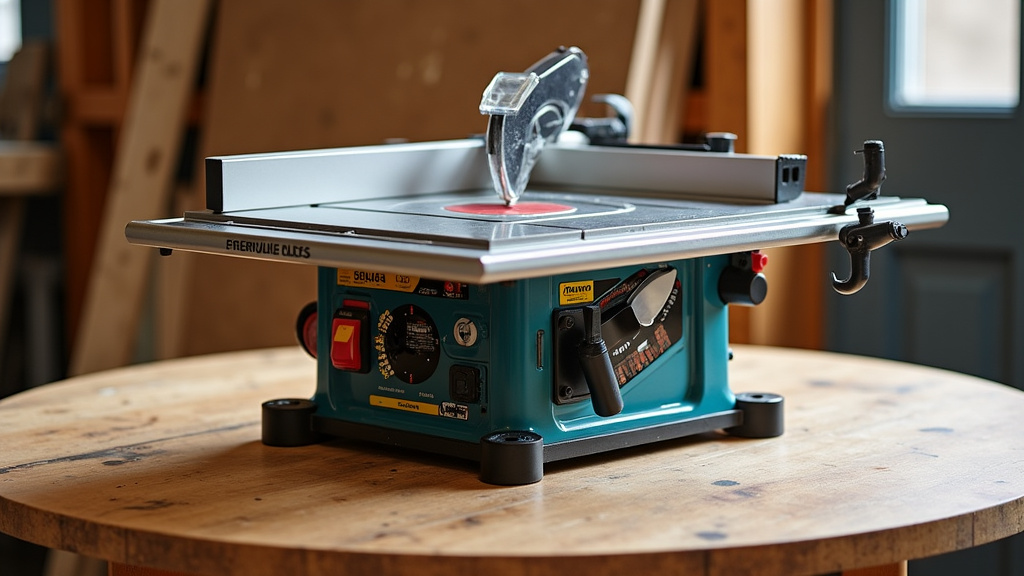
Blade diameter is usually 8 to 10 inches. A 10-inch blade is the standard, giving you a cutting depth of about 3 inches at 90 degrees. This handles most 2x lumber and plywood with ease.
Conclusion
A compact table saw is your go-to tool when space and portability are non-negotiable. It delivers the essential straight cuts for DIY projects and light professional work without the bulk of a full-size model. Remember, it’s built for mobility and everyday tasks, not heavy-duty, industrial cutting. Your best next step is to assess your primary projects and workspace. If you need a saw that moves with you, a compact model is a practical, trustworthy choice. Start by checking the motor power and blade size to match your specific needs.
Frequently Asked Questions
Is a compact table saw safe for beginners?
Yes, many beginners find them approachable. However, always prioritize safety. Use the blade guard, push sticks, and read the manual. The smaller size can feel less intimidating, but respect the tool’s power.
Can a compact table saw handle hardwoods like oak?
It can handle most hardwoods, but with a few considerations. Use a sharp, appropriate blade and make multiple passes if the wood is thick. For very dense, thick hardwoods, a larger saw might be better.
What’s the difference between a compact and a jobsite table saw?
They are very similar and often overlap. Both are portable, but “jobsite” models sometimes emphasize durability for daily construction use. A “compact” saw may focus more on being lightweight for home workshops.
How often should I maintain my compact table saw?
Perform basic maintenance regularly. Clean the table surface after each use to prevent buildup. Check the blade and alignment periodically. A simple cleaning routine keeps it running smoothly and accurately.