What Is a Belt Drive Table Saw? What Owners Should Know
A belt drive table saw uses a rubber belt to connect the motor to the blade, making it quieter and smoother than direct drive models. This design helps absorb motor vibrations, leading to cleaner cuts. It’s a popular choice for serious home woodworkers.
Compared to direct drive saws, belt drive models often offer better dust collection and are easier to maintain. The belt acts as a sort of clutch, potentially protecting the motor if the blade binds. Many users find the reduced noise level a major advantage, especially in a home workshop. It’s a feature many woodworkers research when buying.
- Belt drive saws connect the motor to the blade with a belt.
- They are generally quieter and vibrate less.
- This can lead to smoother operation and cleaner cuts.
- They are a good option for home workshops.
Now, let’s get into what owning a belt drive table saw really means for you. We’ll cover what owners should know about their features and performance.
Understanding Your Belt Drive Table Saw
So, you’re curious about belt drive table saws. You’ve heard they’re quieter and smoother. Let’s dive into what makes them tick and what you should know as an owner.
The main difference is how the motor connects to the blade. Instead of the motor shaft directly turning the blade, a belt acts as the intermediary. Think of it like a bicycle’s chain and sprockets. This belt is usually made of durable rubber, often with grooves or teeth to ensure a good grip.
How the Belt Drive System Works
The motor spins a pulley. This pulley is connected to the motor shaft. Then, a rubber belt loops around this motor pulley. This belt also wraps around a second pulley. This second pulley is attached directly to the blade arbor, the shaft that holds your saw blade. When the motor spins its pulley, the belt transfers that rotation to the blade pulley, making your blade spin.
This setup is common in many tools, not just table saws. It’s a tried-and-true method for power transmission. It allows for some flexibility in motor placement and speed reduction or increase if needed.
Key Benefits for Home Woodworkers
One of the biggest draws is the noise reduction. Direct drive saws can be quite loud. The belt absorbs a lot of the motor’s vibration. This means less noise rattling through your workshop. Many users find this a huge relief, especially if they share their workspace or live in close proximity to others.
Another benefit is smoother operation. Less vibration means the saw feels more stable. This stability can translate to more precise cuts. You’ll notice fewer jagged edges or tear-out on your wood. Your finished projects will look cleaner and more professional.
We found that the belt can also act as a protective buffer. If the blade hits a knot or something it can’t cut easily, the belt can slip or even break before the motor is overstressed. This might save your motor from damage in a bind. It’s like a built-in safety feature.
What to Expect from Belt Drive Performance
When you’re using your belt drive table saw, you’ll likely notice the difference right away. The sound is more of a hum than a high-pitched whine. The saw feels planted, not jittery.
Cut Quality and Precision
The reduced vibration is key here. When the blade spins smoothly, it moves through the wood cleanly. This means less splintering along the cut line. For delicate hardwoods or veneers, this can be a game-changer. You’ll spend less time cleaning up saw marks.
Many woodworkers research this aspect carefully. They want a saw that contributes to a good finish. Belt drive saws often deliver on this expectation. The consistency of the cut is a major advantage for detailed work.
Motor and Blade Speed Considerations
Belt drive systems allow for some flexibility in motor and blade speeds. The ratio between the pulleys determines how fast the blade spins relative to the motor. Manufacturers can tune this ratio for optimal performance. They aim for a balance between cutting power and blade speed.
A common setup is for the motor to spin faster than the blade. This is called a speed reduction system. It allows the motor to run efficiently while still providing ample speed for the blade. This design can also help with torque, the twisting force that drives the blade.
Maintenance: The Belt and Pulleys
While generally lower maintenance than some other saw types, belt drive saws do have a few specific things to check. You’ll want to keep an eye on the belt itself. Over time, rubber can dry out, crack, or wear thin. A worn belt can slip, leading to inconsistent speed and potentially poor cuts.
We recommend inspecting the belt periodically. Look for any signs of damage or excessive wear. Most manufacturers suggest replacing the belt every few years, depending on usage. It’s a relatively inexpensive part to replace.
You’ll also want to check the pulleys. Make sure they are clean and free of sawdust or debris. Any buildup can affect how the belt grips. Ensure the pulleys are securely attached to their respective shafts.
| Feature | Belt Drive Table Saw | Direct Drive Table Saw |
|---|---|---|
| Motor Connection | Rubber belt and pulleys | Motor shaft directly connected to blade arbor |
| Noise Level | Generally quieter | Typically louder |
| Vibration | Less vibration, smoother operation | More vibration, can be less smooth |
| Motor Protection | Belt can slip or break to protect motor | Motor is directly exposed to blade strain |
| Maintenance | Belt inspection and replacement | Blade arbor maintenance |
| Cost | Often a mid-range price point | Can be more budget-friendly or very high-end |
Common Questions About Belt Drive Saws
How often should I replace the belt?
There’s no single answer, as it depends heavily on how much you use your saw. A good rule of thumb is to inspect it every six months to a year. If you see any cracks, fraying, or notice slipping, it’s time for a replacement. Many users find they last 3-5 years with regular home workshop use.
Can I upgrade the belt?
For most users, sticking with the manufacturer’s recommended belt is best. They are designed for specific performance and safety. Using a different type of belt could alter speeds or put undue stress on the system. It’s generally not recommended unless you have expert knowledge in power transmission.
What if the belt breaks mid-cut?
If the belt breaks while you’re cutting, the blade will stop spinning almost immediately. This is usually a safe event, as the saw’s power is cut off quickly. You’ll need to stop the saw, wait for the blade to stop completely, and then replace the belt before resuming work. Always ensure the power is off before inspecting or working on the saw.
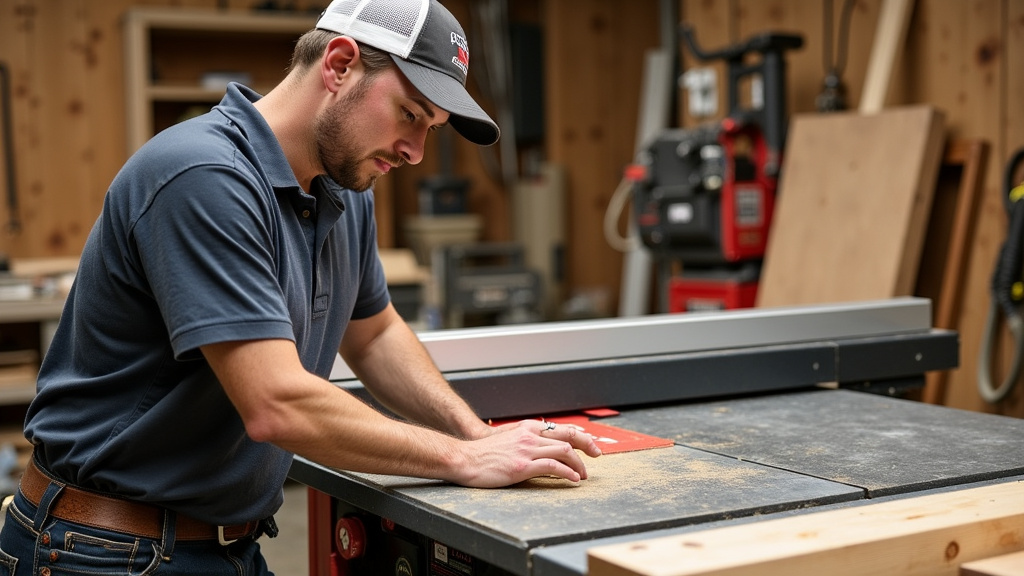
Tips for Owning and Operating Your Belt Drive Saw
To get the most out of your belt drive table saw, a few simple practices go a long way. They help maintain performance and extend the life of your tool.
- Keep it clean. Regularly clear sawdust from the motor housing, belt path, and pulleys.
- Check belt tension. Some saws allow for belt tension adjustment. Ensure it’s snug but not overly tight.
- Use sharp blades. A sharp blade cuts easier, putting less strain on the motor and belt.
- Listen to your saw. Unusual noises can indicate a problem, like a worn belt or loose pulley.
- Store it properly. Keep your saw in a dry environment to prevent rust and protect the belt.
You’ve invested in a tool that can bring a lot of precision and enjoyment to your woodworking projects. Taking these small steps will help ensure it continues to perform well for years to come.
Conclusion
You’ve learned how a belt drive table saw uses a belt system for smoother, quieter operation. This design helps deliver cleaner cuts and can offer motor protection. While they require basic maintenance like belt checks, their benefits often outweigh the minimal extra care. For home woodworkers seeking a balance of performance, reduced noise, and precision, a belt drive saw is a smart choice. Take the time to inspect your belt regularly, and your saw will serve you well on many projects.
Frequently Asked Questions
Is a belt drive table saw better than a direct drive for beginners?
Many beginners find belt drive saws easier to manage. The reduced noise and vibration make them less intimidating to operate. Plus, the smoother action can lead to more forgiving cuts as you learn.
How do I know if my belt drive saw’s belt needs replacing?
Look for visible signs of wear such as cracks, fraying, or a glazed appearance. If you notice the saw losing power or the blade speed becoming inconsistent, it’s likely time for a new belt.
Can I adjust the belt tension on my belt drive table saw?
Some models allow for belt tension adjustment, often via the motor mount. Consult your saw’s manual for specific instructions. Proper tension ensures efficient power transfer without stressing components.
What type of wood is a belt drive saw best for?
Belt drive saws excel with all types of wood, especially softer woods where tear-out can be an issue. Their smoother operation also makes them great for hardwoods and detailed cuts where precision is key.
Where can I buy replacement belts for my table saw?
You can typically purchase replacement belts from the saw manufacturer’s website or authorized dealers. Online woodworking supply stores are also a good resource. Always look for belts specifically designed for your saw model.