What Is a Table Saw Blade Made Of? The Short Answer

A table saw blade is typically made of hardened steel, with cutting edges made from even harder materials like tungsten carbide. This combination allows the blade to cut through wood efficiently and last longer. You’ll find different blade designs, but the core materials remain consistent for durability.
We found that the type of wood you cut and the type of cut you need will influence the best blade material and design for your project. Knowing what your blade is made of helps you choose the right one and understand why it performs the way it does. It’s not just magic; it’s science!
- Table saw blades are mainly made of hardened steel.
- Cutting edges are often tipped with tungsten carbide for extra hardness.
- The material choice ensures durability and efficient cutting.
- Different wood types might need specific blade materials.
So, what exactly goes into making these essential woodworking tools? Let’s break down the materials that make your table saw blade tick.
Understanding Your Table Saw Blade’s Construction
You might be wondering what actually makes your table saw blade capable of slicing through wood like butter. It’s a smart combination of materials, really. The blade itself, the part that spins, is usually made from a tough metal. The very edges that do the cutting are often made from something even harder.
The Core Material: Steel’s Role
Most table saw blades start with a foundation of hardened steel. Think of it like the strong backbone of the blade. This steel needs to be tough enough to withstand the high speeds and forces involved in cutting. It also needs to stay relatively straight and not bend or warp easily, even when things get hot from friction.
Why Hardened Steel?
When steel is ‘hardened,’ it goes through a special heating and cooling process. This makes it much stronger and more resistant to wear. For a table saw blade, this means it can handle thousands of revolutions per minute without breaking down. This core steel provides the structural integrity your blade needs to perform safely and effectively.
The Body of the Blade
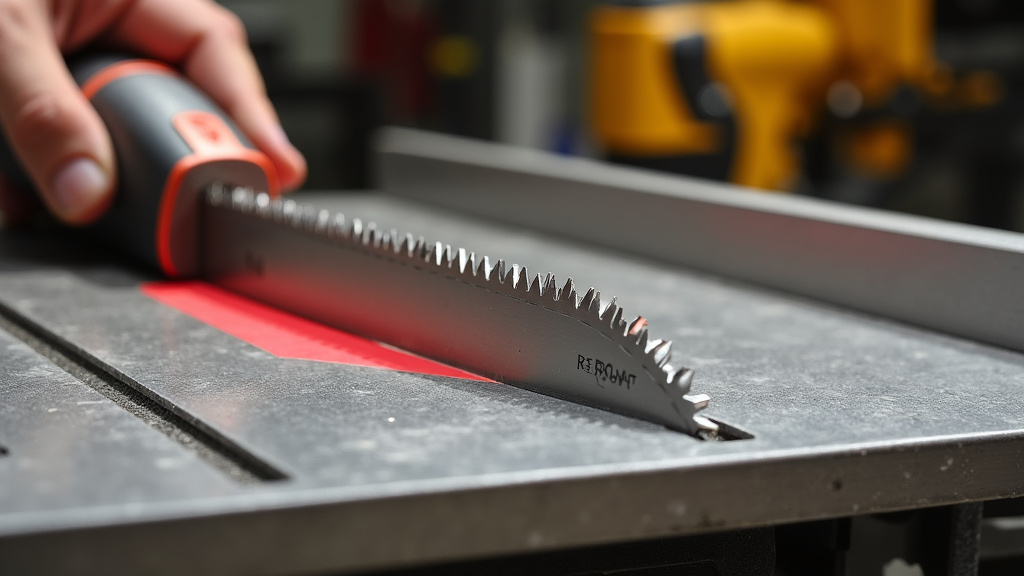
The main flat part of the blade, often called the ‘plate,’ is typically made from this hardened steel. Its thickness matters, too. A thicker plate might be more durable but can lead to a wider cut,
Conclusion
You now understand that your table saw blade is a carefully crafted tool. Its strength comes from hardened steel, providing a robust structure. The cutting edges are enhanced with materials like tungsten carbide for superior sharpness and longevity. This smart material combination ensures your blade can handle tough jobs efficiently. By knowing what your blade is made of, you can make informed choices for your woodworking projects and get the best performance from your tool.
Next time you pick up a blade, take a moment to consider its construction. This knowledge helps you maintain your tools and select the right blade for your specific needs.
Frequently Asked Questions
Is all hardened steel the same for table saw blades?
No, while hardened steel is the base, the specific alloy and hardening process can vary. Manufacturers select steel for properties like toughness, resistance to heat, and wear resistance, which affects the blade’s overall performance and lifespan.
What happens if a table saw blade isn’t made of good materials?
A poorly made blade might dull quickly, chip easily, or even warp. This leads to rough cuts, increased effort, and potential safety hazards. Using blades made from quality materials ensures smoother cuts and a safer working experience.
Can you sharpen a tungsten carbide-tipped blade?
Yes, tungsten carbide tips can be sharpened, but it requires specialized tools and expertise. Diamond abrasives are typically used for sharpening carbide. For most DIY users, replacing a dull blade or having it professionally serviced is often more practical.
Are there blades made of materials other than steel?
While steel is the most common base material for table saw blades, some specialized blades might use different materials for specific applications. However, for general woodworking, hardened steel with carbide tips is the standard you’ll find and the most practical choice.
Does the thickness of the steel plate affect the blade material?
The thickness of the steel plate is more about the blade’s rigidity and the width of the cut (kerf) than the base material itself. A thicker plate, made of hardened steel, will be more durable but might cause a wider cut. The cutting edge material, like carbide, is what dictates the sharpness and longevity of the teeth.