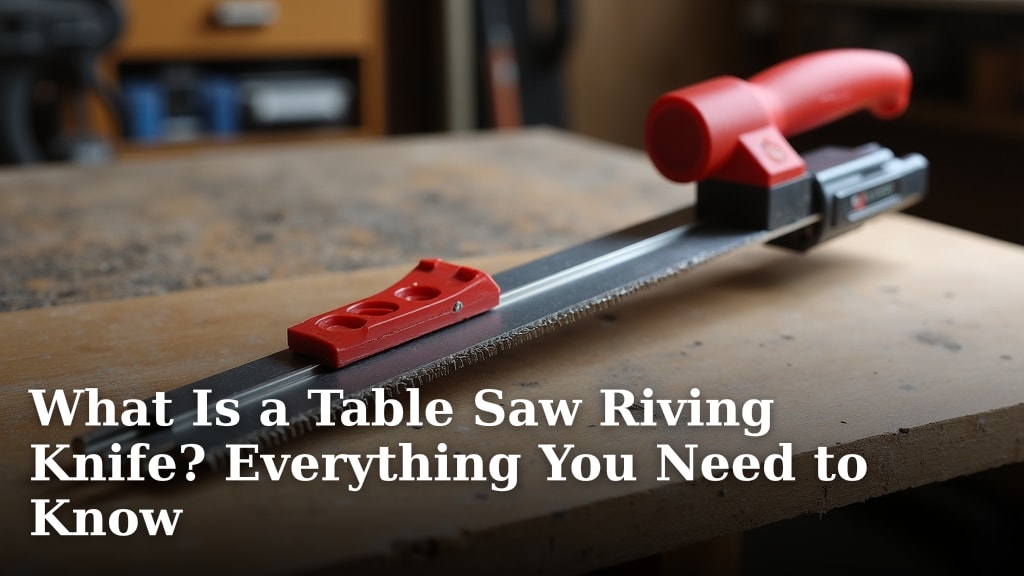
What Is a Table Saw Riving Knife? Everything You Need to Know
Conclusion
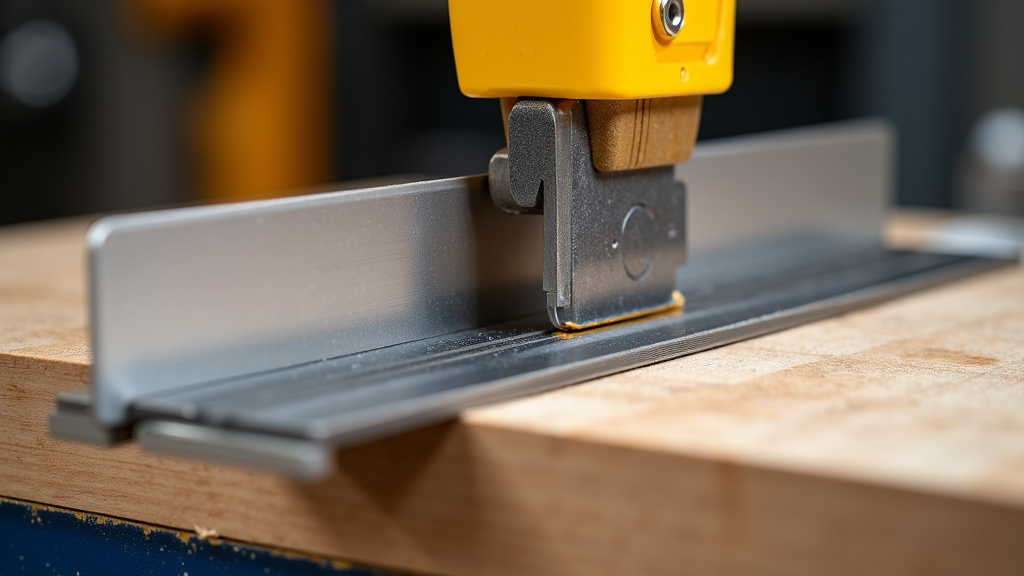
A riving knife is one of the most important safety features on your table saw. It is a non-spinning guard that sits directly behind the blade. This simple device **prevents the wood from pinching the blade**. By doing so, it dramatically reduces the risk of dangerous kickback.
We covered how it works, its key benefits, and how to check for compatibility. Remember, it is not the same as an older-style splitter. For your next step, **check your saw’s manual**. See if your model is designed to accept a riving knife. If it is, this is a worthy upgrade for your workshop safety.
Frequently Asked Questions
Can I use a riving knife on any table saw?
Not necessarily. A riving knife is designed to move with the blade when you adjust its height or bevel. You must have a saw that was built with a riving knife slot. Older saws or some budget models may only have a traditional splitter mount.
How do I install a riving knife on my table saw?
The process varies by manufacturer. Generally, you will remove the throat plate and blade guard. The knife then fits into a dedicated port behind the arbor. Always follow the specific instructions from your saw’s manual for a secure fit.
Do I need to remove the riving knife for non-through cuts?
Yes, absolutely. For cuts like rabbets or dados that do not go all the way through the wood, the knife must be removed. It would block the wood from passing over the blade. Many modern knives are designed for quick, tool-free removal.
What is the difference between a riving knife and a splitter?
A splitter is a fixed, removable piece that stays in one position relative to the table. A riving knife is thinner and moves up, down, and sideways with the blade. This makes the riving knife more versatile and effective at preventing kickback across different cuts.
Does a riving knife replace the need for a blade guard?
They serve different, complementary safety purposes. The riving knife prevents kickback from behind the blade. A blade guard protects you from contact with the spinning blade from above. For complete safety, it is best to use both devices whenever possible.