What Is a Table Saw Throat Plate? The Real Answer
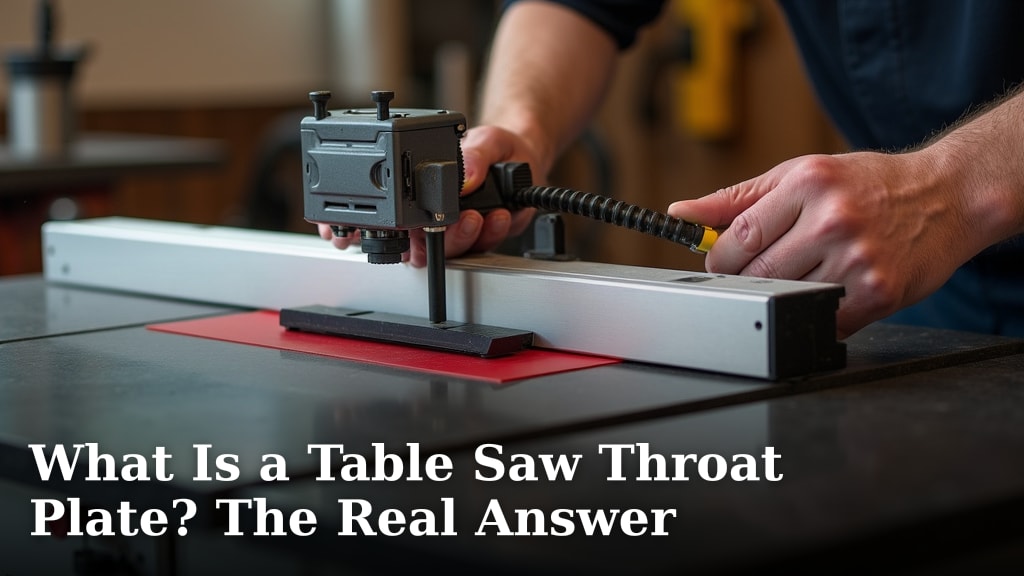
A table saw throat plate is a small, removable insert that sits flush with the saw’s table. Its main job is to reduce the gap around the blade. This prevents small workpieces from falling through and improves dust collection efficiency. You’ll often hear it called an insert plate.
Many woodworkers overlook its importance until they need a specific type. Different blades, like dado sets, require specialized throat plates. Finding the right one ensures your saw operates safely and effectively for various cuts. It’s a simple but vital component for any table saw user.
- A table saw throat plate is a removable insert for the saw table.
- It fills the gap around the saw blade.
- It prevents small pieces from falling and aids dust collection.
- Different blades may need different types of throat plates.
- It’s an important safety and performance feature.
Let’s get down to the real answer and understand why this little piece matters so much for your projects.
Understanding Your Table Saw’s Throat Plate
So, what exactly is this table saw throat plate we keep mentioning? Think of it as a custom-fit shield for the opening in your table saw’s surface where the blade pokes through. Its primary job is to fill that gap. This might sound simple, but it makes a big difference in how your saw performs and how safe your woodworking is.
You might also hear it called an insert plate or, sometimes, a zero-clearance insert. Whatever you call it, its purpose is to provide a snug fit around the spinning blade. This keeps things tidy and makes sure your wood stays where you want it to be during a cut.
Why the Gap Matters: The Danger and the Dust
Let’s talk about why that gap around the blade is a problem. Without a proper throat plate, there’s a space where small pieces of wood, called offcuts or scraps, can easily fall through. This isn’t just annoying; it can be a safety hazard. If a small piece falls into the saw’s guts, it can get kicked back at you unexpectedly. We’ve all heard stories, and nobody wants to be part of one.
Beyond safety, this gap is a dust collection nightmare. Most table saws have ports designed to suck up sawdust. But if there’s a big open gap around the blade, a lot of that dust and debris just falls straight down into the cabinet. A well-fitting throat plate helps seal that opening, directing more dust towards your dust collection system. Many experts agree that better dust collection improves air quality in your shop and keeps your saw cleaner (OSHA).
The Risk of Kickback
Kickback is when a piece of wood is suddenly thrown back towards you with great force. It’s one of the most dangerous types of accidents that can happen at a table saw. A large gap around the blade can increase the risk of kickback because it gives small pieces of wood a place to get caught and redirected. Keeping that gap as small as possible is a key step in preventing this. Research from woodworking safety organizations consistently highlights minimizing blade exposure as a primary safety measure.
Improving Cut Quality
A snug-fitting throat plate also helps support the wood right up to the blade. This is especially important when you’re cutting thin materials or making delicate cuts. Without that support, the wood can slightly flex or bind against the blade, leading to a rougher cut edge. A good insert helps ensure a cleaner, more precise cut.
Types of Table Saw Throat Plates
You might be surprised to learn that there isn’t just one type of throat plate. The best one for you depends on your saw and the types of cuts you plan to make. Most saws come with a basic plate, often made of plastic or metal. But specialized blades need specialized plates.
The Standard Insert
The plate that comes with your table saw is usually designed for a standard, 10-inch, thin-kerf blade. These are often made from a sturdy plastic that can be easily cut by the blade the first time you install it. This process is called “dialing in” the insert, and it creates a perfect fit for your specific blade’s position.
These standard inserts typically have a wider opening to accommodate the blade’s movement. They are a good starting point for most general woodworking tasks. However, if you plan on doing anything more advanced, you might need something different.
Zero-Clearance Inserts: The Ultimate Fit
A zero-clearance insert is exactly what it sounds like: it’s cut to fit so tightly around the blade that there’s virtually no gap. This is achieved by making the opening extremely precise. You can buy these or, more commonly, make them yourself from materials like phenolic or MDF.
The advantage of a zero-clearance insert is superior dust collection and a drastically reduced risk of small pieces falling through. They also offer the best possible support for your workpiece, leading to cleaner cuts. Many woodworkers swear by them for their precision woodworking.
Dado Set Inserts
This is where things get really specialized. A dado blade set is a stack of blades and chippers used to cut wide grooves or dados in wood. Because these sets are much wider than a standard blade, they require a much larger opening in the throat plate. You absolutely cannot use a standard insert with a dado set.
Fortunately, table saw manufacturers typically offer specific dado throat plates designed for their machines. These are larger and have a wide opening. If you plan on using a dado blade, finding the correct insert is non-negotiable for safety and proper function. It’s like trying to use a regular key in a padlock – it just won’t work right.
Router Table Inserts (Related, but Different!)
Sometimes, people get confused between table saw throat plates and router table inserts. While they serve a similar purpose (filling a hole in a flat surface around a spinning bit), they are for different tools. A router table insert is designed to hold a router base, allowing the router to be mounted upside down. So, remember, if you’re working with your table saw, you need a table saw throat plate. If you’re setting up a router table, you’ll need a router table insert.
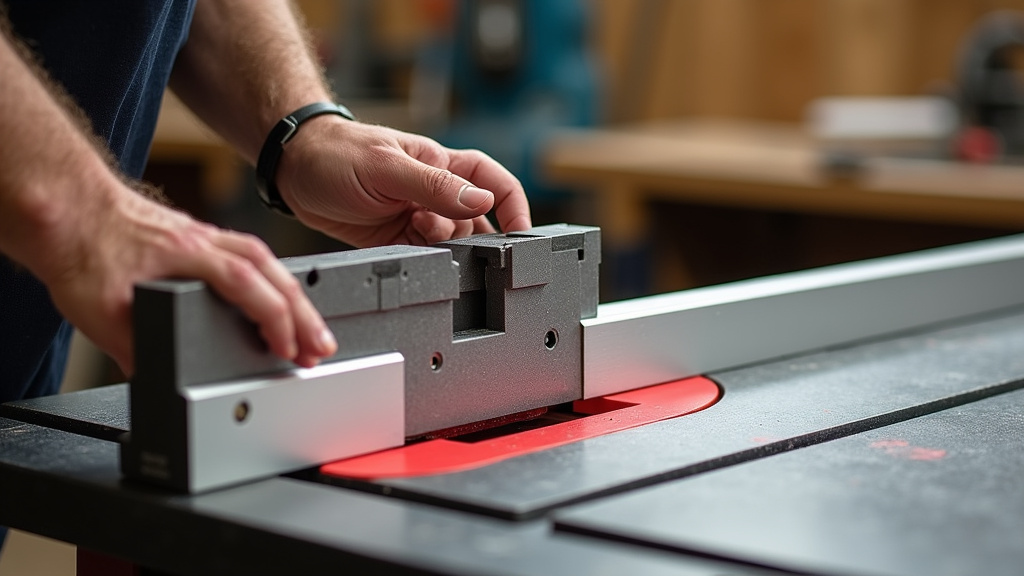
Choosing and Using Your Throat Plate Effectively
Selecting the right throat plate and using it correctly can significantly improve your table saw experience. It’s not just about buying one; it’s about understanding what makes it work for you.
Material Matters: Plastic vs. Phenolic vs. Metal
The material of your throat plate can impact its durability and how it interacts with your saw. Most stock inserts are plastic. They are cheap and easy to replace. However, they can sometimes flex or wear out faster than other options.
Phenolic resin is a popular material for aftermarket inserts. It’s incredibly durable, stable, and resistant to wear. Many DIYers choose phenolic for making their own zero-clearance inserts because it’s easy to machine and holds its shape well. It’s a step up in performance from basic plastic.
Metal inserts, often aluminum, are also available. These are usually very robust and offer a smooth surface for sliding wood. They are a good choice for heavy-duty use. However, they are typically more expensive and you can’t easily make them zero-clearance yourself by just cutting them with a blade.
The DIY Approach: Making Your Own Insert
Many woodworkers enjoy the process of making their own zero-clearance inserts. It’s a rewarding project and allows for a perfectly tailored fit. You can often buy blank inserts made of phenolic or MDF and then carefully cut them to size on your table saw.
The basic idea is to mount a scrap piece of material in place of your regular insert, then raise your blade (without a blade installed first!) to the height you want. Then, install the actual blade you’ll be using and carefully make a cut through your blank insert. This creates a snug fit. Always follow detailed instructions for this process, as safety is key. Some resources suggest using a router sled jig for even more precision when cutting your own inserts.
A Checklist for Throat Plate Success
To make sure you’re getting the most out of your table saw’s throat plate, keep these points in mind:
- Always use the correct type of insert for your blade setup (standard, dado, etc.).
- Ensure your insert fits snugly and flush with the table surface.
- If making your own, take your time and prioritize safety during the cutting process.
- Periodically check your insert for damage or warping. A damaged insert can be a hazard.
- Keep the area around the insert clean. Dust buildup can affect its fit.
- Consider upgrading to a higher-quality material like phenolic for better performance.
By paying attention to your throat plate, you’re not just addressing a small detail. You’re actively contributing to safer operation, better dust control, and improved accuracy in your woodworking projects. It’s a small component that pays big dividends.
Conclusion
You’ve learned that your table saw’s throat plate is more than just a simple insert. It’s a key component for both safety and performance. By properly filling the gap around your blade, you reduce the risk of dangerous kickback and improve dust collection. Whether you use a standard plate, a specialized one for dados, or opt for a DIY zero-clearance insert, ensuring a snug fit makes a real difference.
Take a moment to look at your current throat plate. Is it the right type for your common cuts? Does it fit snugly? Making small adjustments or upgrading this component can significantly enhance your woodworking experience. Invest a little time here for safer, cleaner, and more precise cuts on all your projects.
Frequently Asked Questions
How do I know if my table saw throat plate is the right size?
Your throat plate should fit snugly into the opening of your table saw’s insert. There should be no gaps around the edges that would allow debris to fall underneath. If the plate feels loose or wobbly, it may not be the correct size or it might be damaged and needs replacing.
Can I use a regular throat plate with a dado blade set?
No, you cannot use a standard throat plate with a dado blade set. Dado sets are much wider than standard saw blades and require a specially designed, wider insert with a larger opening. Using the wrong insert with a dado set is a significant safety hazard.
What is the difference between a zero-clearance insert and a standard insert?
A standard insert has a pre-cut opening that accommodates the blade and allows for some side-to-side wobble. A zero-clearance insert is cut to fit so tightly around the blade that there is virtually no gap, offering better support and dust collection.
Is it safe to make my own zero-clearance insert?
Yes, making your own zero-clearance insert can be safe if you follow detailed instructions carefully. The process involves using your table saw to cut a precise fit for your blade. Always prioritize safety during this process and ensure your saw is properly adjusted.
How often should I check or replace my table saw throat plate?
You should inspect your throat plate periodically for any signs of damage, warping, or excessive wear. If it becomes cracked, chipped, or doesn’t sit flush with the table anymore, it’s time to replace it. A damaged insert can compromise safety and cut quality.