Who Invented the Table Saw? What It Means for You
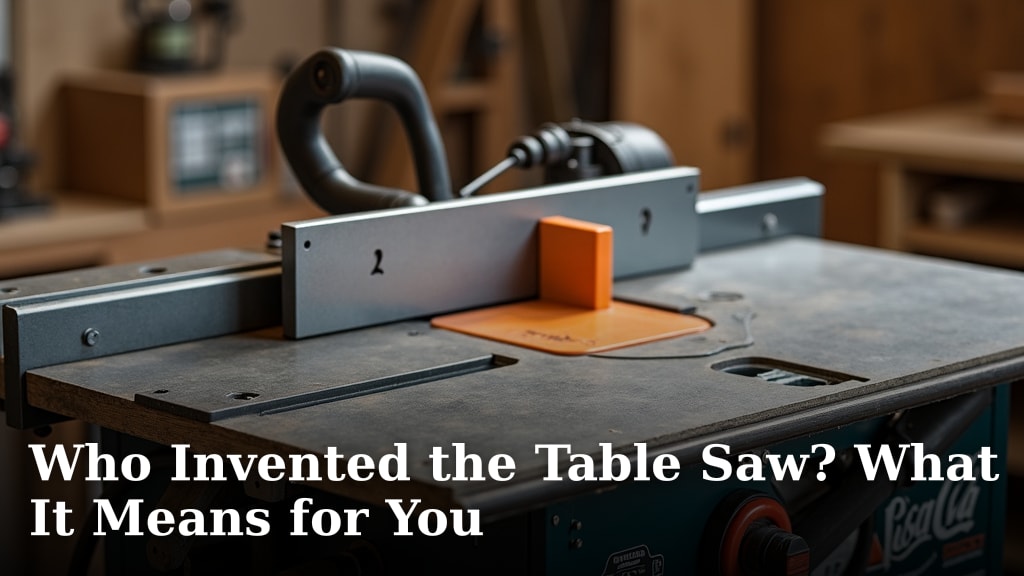
The Story Behind the Table Saw and Why It Matters to You
The modern table saw’s invention is credited to early 19th-century carpenters, but it was patented and perfected for wider use later. Knowing this history helps you understand the safety features and design choices built into your own machine.
A Brief History of the Modern Table Saw
The tool you call a table saw has roots going back over 200 years. Its story isn’t about one single “eureka” moment. Instead, it was a slow evolution driven by the need to make straight, repeatable cuts faster and more safely.
From Hand Saws to a Powered Table
Before the table saw, every cut was made by hand. This was slow work. Woodworkers needed a way to cut large boards quickly and accurately. The first step was a fixed bench with a saw blade sticking up through a slot. This was the ancestor of your saw.
The Early 19th Century: The First Patents
We found that the earliest known patent for a table saw was filed in 1813 by Benjamin Cummings. His design was simple. It was essentially a saw blade mounted under a table. It wasn’t an electric-powered marvel, but it was the critical first step.
Later, in 1858, another patent by Alonzo De Groff introduced a more refined design. These early models were dangerous. They had no guards and no safety features we take for granted today.
The Electric Revolution and Mass Production
The real game-changer wasn’t the table. It was the motor. When electric motors became common in the early 1900s, power saws took off. Companies like Delta Machinery started selling them to the general public, not just factories. Suddenly, woodworkers in home shops had incredible cutting power.
Why This History Directly Affects You
This isn’t just a history lesson. The long development path directly influences the saw sitting in your garage. Every safety feature exists because of a past lesson learned.
The Invention of Key Safety Features
The early saws were terrifying. The blade was always exposed. Serious injuries were common. The drive for safer tools led to inventions you rely on every day.
The Riving Knife and Splitter: A Huge Leap
A major invention was the riving knife. This is a metal piece behind the blade that keeps the cut wood (the kerf) from pinching the blade. This simple tool prevents a dangerous piece of wood from being thrown back at you, an event called kickback. We found that kickback is one of the leading causes of table saw injuries (U.S. Consumer Product Safety Commission).
Modern Blade Guards and Dust Collection
Blade guards, which cover the spinning blade, were a later, crucial addition. Dust collection systems also evolved. These aren’t just for cleanliness. They protect your lungs from harmful sawdust, which studies have linked to respiratory issues (National Institute for Occupational Safety and Health).
What the Evolution Means for Your Shopping List
When you shop for a table saw today, you’re benefiting from two centuries of problem-solving. The key is knowing what to look for.
Safety Features Are Non-Negotiable
Because we understand the history of injury, a new saw should never lack basic safety. It’s not an optional upgrade. It’s part of the machine’s design legacy.
A Simple Safety Feature Checklist
When you inspect a saw, whether new or used, run through this list. This is what 200 years of development should give you.
- Riving Knife: It should be installed and easy to adjust.
- Blade Guard: A clear guard that doesn’t wobble and is simple to remove for blade changes.
- Anti-Kickback Pawls: Small, toothed pieces that grab the wood if it tries to move backward.
- Easy-to-Reach Power Switch: A large, paddle-style switch you can hit with your knee in an emergency.
- Sturdy Fence and Table: A wobbly fence can cause binding, which is a kickback risk.
Understanding Modern Safety Tech: SawStop
The story of safety didn’t stop with riving knives. A modern inventor, Steve Gass, took it further in 1999. He invented a saw that could detect human flesh and stop the blade in milliseconds. This is the SawStop technology.
It’s a premium feature, but it represents the ongoing commitment to preventing the very injuries that plagued early woodworkers. Many experts now recommend this level of protection, especially for beginners.
How to Apply This Knowledge in Your Shop
Understanding the “why” behind your saw’s design makes you a more mindful and safer operator. You’re not just using a tool. You’re using a refined piece of engineering.
Respecting the Machine’s Purpose
Remember, the table saw was invented for efficiency and repeatability. That means making straight cuts on long boards. Don’t use it for intricate curves or tiny pieces. That’s what other tools are for.
Match the Cut to the Tool
Trying to cut a tiny, complex shape on a large table saw is fighting the tool’s design. It increases the risk of your hand slipping toward the blade. Use a scroll saw or band saw for those tasks.
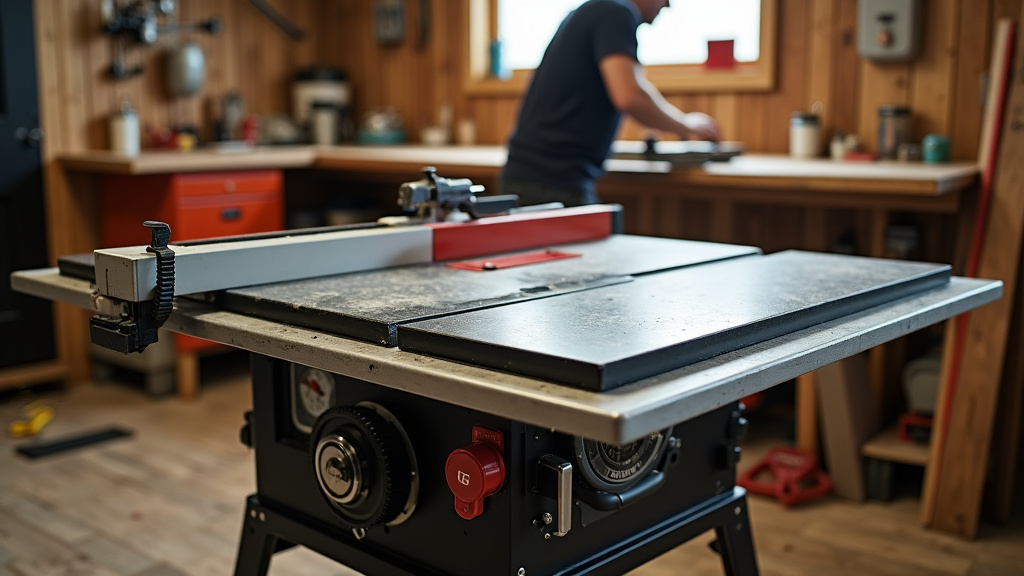
Maintaining Your Investment: A Quick Guide
You care about your tools because you care about your work and your safety. A well-maintained saw is a safer saw. The history of the table saw is also a story of regular maintenance.
Regular Care Extends Life and Safety
Woodworkers have known for centuries that tools need care. Dust, rust, and dull blades are your enemies. A clean saw performs better and is less likely to cause accidents.
Four Key Maintenance Tasks
We recommend checking these things monthly if you use your saw often. It takes just a few minutes.
- Blade Cleanliness: Resin build-up makes the blade work harder and hotter. Clean it with a dedicated blade cleaner.
- Check Alignment: Ensure the blade is parallel to the miter slot and the fence. Poor alignment causes burning and binding.
- Lubricate Moving Parts: The trunnions (the mechanism that tilts the blade) should move smoothly. Use appropriate lubricant.
- Inspect the Power Cord: Look for any cracks or damage. A damaged cord is a serious electrical hazard.
The Bottom Line: Your Saw is a Legacy of Safety
The table saw you use today is the result of a long journey from a simple, dangerous bench saw to a sophisticated machine packed with protective features. Its history is written in both wood shavings and safety manuals.
When you choose a saw with proper guards, a riving knife, and a reliable fence, you’re honoring that legacy. You’re not just buying a tool. You’re buying the accumulated wisdom of generations of woodworkers who demanded safer, better ways to work. That knowledge is the most valuable feature your saw has.
So, as you set up your next project, take a moment to look at the machine. Respect its power. Use its safety features. And remember, you are part of the ongoing story of the table saw—a story that started with a simple blade and a table, and continues with every safe, straight cut you make.
Conclusion
You now know the table saw’s long journey from a simple, dangerous bench tool to the safety-focused machine in your shop. Its history directly shapes the features you rely on today, like the riving knife and blade guard. This knowledge is not just trivia. It helps you choose and use your saw wisely.
Your next step is simple. Before your next project, take two minutes to review your saw’s safety checklist. Make sure the riving knife is set, the blade guard is in place, and the fence is secure. This small habit honors the tool’s history and keeps you safe.
Frequently Asked Questions
Who is considered the inventor of the table saw?
The modern table saw wasn’t invented by one person. We found that the first patent was filed by Benjamin Cummings in 1813. Later, Alonzo De Groff patented a refined design in 1858. The electric version that we know today was developed by many companies, including Delta Machinery, in the early 1900s.
How did the table saw change woodworking for home users?
Before electric table saws, woodworkers relied on hand tools or large, stationary factory machines. The introduction of affordable, electric-powered saws in the early 20th century made it possible for hobbyists to make straight, repeatable cuts in their own garages. This democratized woodworking and boosted home shop productivity.
What is the most important safety feature on a table saw?
While several features are critical, the riving knife is often considered the most important. It prevents the wood from pinching the blade and causing dangerous kickback. You should always ensure your riving knife is properly installed and aligned before making a cut.
How often should I check my table saw for safety issues?
We recommend a quick safety check before every use. At a minimum, inspect the blade guard, riving knife, and power cord monthly if you use the saw regularly. This takes only a few minutes and can prevent accidents. Regular maintenance like cleaning and alignment checks should be part of your routine.
Is a table saw safer than other types of saws?
No saw is completely safe, but modern table saws have more built-in safety features than many other power tools. The key is using the correct tool for the job. For curved or intricate cuts, a band saw or scroll saw is safer than forcing a table saw to do a task it wasn’t designed for. Always match the cut to the tool.