How Much Space Do I Need for a Table Saw? Answered
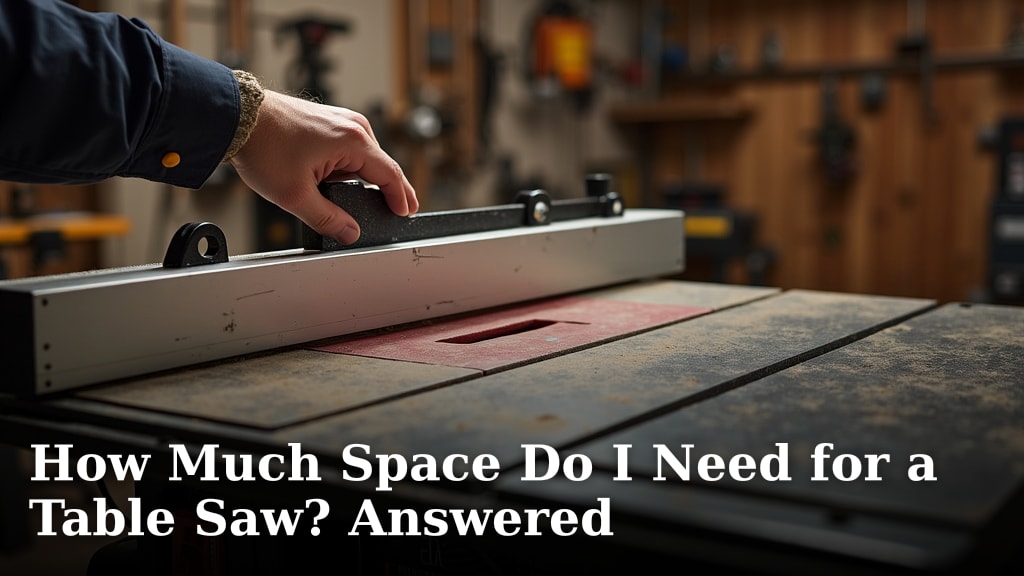
You need plenty of space for a table saw, typically at least 2 to 3 feet around all sides. This allows for safe material handling and movement. Don’t try to squeeze a table saw into a tight corner; it’s a recipe for frustration and potential danger.
The exact amount of room depends on the type of saw you have and how you plan to use it. Larger cabinet saws with outfeed tables require more space than portable jobsite saws. We’ve found that understanding your workflow is key to determining the right footprint.
- A minimum of 2-3 feet of clearance is recommended.
- Consider your saw type and how you’ll feed material.
- Allow space for dust collection and tool storage.
- Safety should always be your top priority.
Let’s break down the specific space requirements and how to figure out the perfect spot for your table saw.
Figuring Out Your Table Saw’s Footprint
So, you’ve got a table saw, or you’re thinking about getting one. That’s fantastic! Now, where exactly is this powerful tool going to live in your workshop? It’s not just about finding a corner; it’s about creating a safe and efficient workspace. We’ve found that the right amount of space makes all the difference.
Think of your table saw like a small, very loud, and hungry beast. It needs room to breathe, stretch, and be fed lumber without bumping into anything. Many beginners underestimate this need. They try to cram a large saw into a small garage. This leads to frustration and, more importantly, potential safety hazards. We want to help you avoid that.
Understanding Your Saw’s Needs
Not all table saws are created equal when it comes to space. The size and type of saw you own (or plan to buy) will heavily influence how much room you need. We found that categorizing saws helps simplify this. Generally, they fall into a few main types:
Portable Jobsite Saws
These are the lightweight champs. They’re designed to be moved around easily. Think of them as the workhorses for construction sites or smaller DIY projects. Because they are smaller, they require the least amount of space. You might get away with about 3-4 feet of clearance around the saw itself. You’ll still need room to maneuver the wood, though.
Benchtop Saws
Similar to jobsite saws but often a bit more robust. They can be mounted on a stand or workbench. They usually have a slightly larger footprint than portable saws. For these, we recommend at least 4-5 feet of clearance in all directions. This gives you more comfortable space to work with.
Contractor Saws
These are a step up in power and size. They are heavier and often have a more enclosed base. You’ll definitely want to allocate more space for a contractor saw. We found that 5-6 feet of clearance is a good starting point. This allows for more stable operation and easier material handling.
Cabinet Saws
These are the big boys. They are the most powerful and heaviest table saws available. Cabinet saws often come with substantial extensions and outfeed tables. For these giants, you’ll need the most room. Aim for at least 6-8 feet of clearance around the entire machine. This is especially true if you have an outfeed table that extends behind the saw.
Considering Your Workflow: The Crucial Element
Beyond the saw’s physical dimensions, think about how you actually use it. This is where many people stumble. Imagine yourself feeding a long piece of plywood or a long 2×4 through the saw. Where will that material come from? Where will it go?
Infeed Space: Feeding the Beast
This is the area in front of the saw where you position your lumber before cutting. For long pieces, you’ll need plenty of space behind you to hold and guide the wood. Many experts say you should have at least 6 to 8 feet of clear space in front of your saw for infeed. This allows you to safely position and push longer boards through the blade.
Outfeed Space: Where the Cut Goes
This is the area behind the saw where the cut-off piece or the main board emerges. It’s just as important as the infeed side. Without enough outfeed space, the cut piece can fall awkwardly, get kicked back, or get stuck. We recommend at least 4 to 6 feet of clear space behind your saw. If you have an outfeed table, this space is already accounted for, but ensure it’s properly supported.
Side Clearance: Moving Around Safely
This is the space on either side of the saw. You need enough room to stand comfortably, adjust your stance, and move around the machine. This is also where you might place work supports or sawhorses for longer pieces. Aim for a minimum of 3 feet of clearance on both sides. More is always better if you can manage it.
The “Blade Width” Rule of Thumb
A simple way many woodworkers remember the minimum is to consider the width of your blade. You generally want at least 10-12 inches of clearance on either side of the blade itself for safety. But this is just for the blade; you still need room for your body and the material. So, while a helpful reminder, it’s not the whole story.
Other Space Considerations Beyond the Saw Itself
Your table saw isn’t an island. It’s part of a system. You need to account for related items and activities. Think about your whole setup, not just the saw’s footprint.
Dust Collection Systems
Table saws produce a lot of dust. A dust collection system is highly recommended for health and cleanliness. Shop vacs are common for smaller setups, while larger saws might have dedicated collectors. These units need their own space. A typical shop vac might need a 2×2 foot area, while a larger collector could need much more. Research the dimensions of your dust collector and add that to your overall space requirement.
Mobile Bases and Stands
If your saw is on a mobile base, it can be moved. This is great for maximizing space when the saw isn’t in use. However, when the saw is set up for operation, the mobile base often extends the footprint. Make sure the saw is locked in place and stable before cutting. The base itself might add a few inches to the saw’s dimensions.
Tool Storage and Workbenches
Where will you keep your push sticks, featherboards, wrenches, and spare blades? Having these items close at hand is super convenient. Consider space for small shelves, cabinets, or a nearby workbench. This adds to the total area you’ll need. Many woodworkers find it efficient to have a workbench adjacent to their table saw for immediate material staging.
Access to Power Outlets
Don’t forget where your power cords will run. You don’t want them snagging on anything or becoming a trip hazard. Plan your layout so that power outlets are accessible and cords can run cleanly. Consider if you’ll need extension cords, and if so, ensure they are rated for the saw’s power draw.
Creating Your Safe Zone: A Quick Checklist
To wrap up, let’s think about the essentials for setting up your table saw space. We found that having a clear checklist helps you visualize the needs:
- Clear the Clutter: Remove any unused items, tools, or debris from the intended saw area.
- Measure Your Saw: Know the exact dimensions of your saw, including any extensions or mobile bases.
- Map Your Workflow: Sketch out how you’ll feed and receive material. Measure those infeed and outfeed zones.
- Factor in Dust Collection: Account for the space your dust collector or shop vac will occupy.
- Allow for Movement: Ensure you have ample room to stand, move, and operate the saw comfortably.
- Test the Fit: If possible, use tape on the floor to mark out your proposed space and walk through your typical cuts.
Conclusion
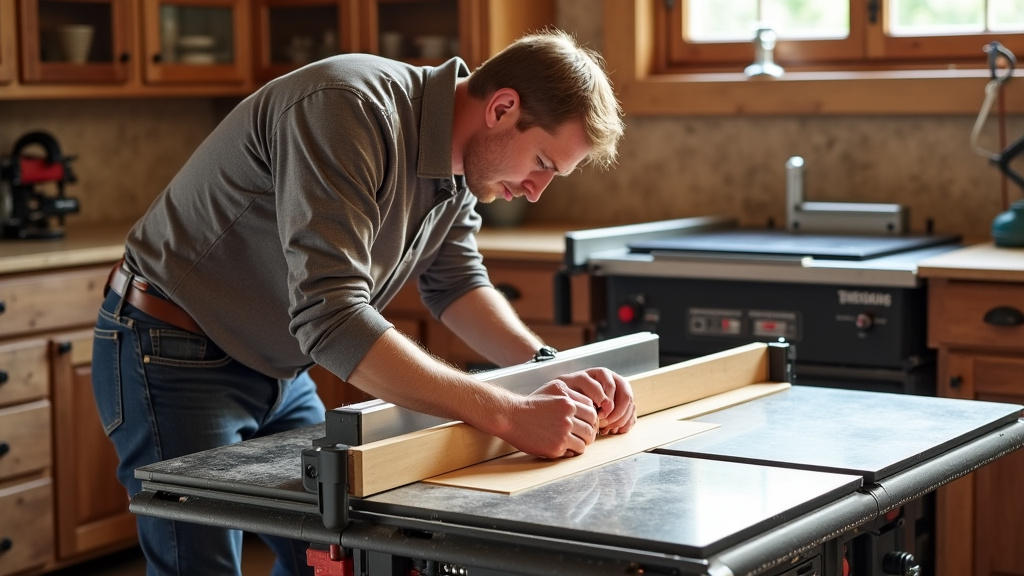
Finding the right space for your table saw is more than just clearing a spot. It’s about setting up a safe and efficient workflow. You’ve learned that different saw types need different room, and your personal work habits are just as important. Remember to consider both how you feed material into the saw and where it goes after the cut. Don’t forget about dust collection and nearby tool storage, too. Now, take these guidelines and map out your ideal table saw area to start cutting with confidence.
Frequently Asked Questions
What’s the absolute minimum space I need for any table saw?
For most portable or benchtop saws, a minimum of about 3 to 4 feet of clear space around the machine is a starting point. However, this doesn’t account for handling long materials. You’ll likely need more space depending on your workflow.
Do I really need 6-8 feet of infeed and outfeed space?
That amount of space is highly recommended for feeding longer pieces of lumber safely. Without enough infeed and outfeed room, you risk accidents or materials falling awkwardly. It ensures you can control the wood from start to finish.
Can I put my table saw in a corner to save space?
We strongly advise against putting your table saw in a tight corner. This severely restricts your movement and material handling. You need clear access and room to stand comfortably on multiple sides.
How much space does a mobile base add to my table saw’s footprint?
Mobile bases themselves usually don’t add much to the saw’s dimensions, maybe a few inches. The main consideration is that when the saw is on its mobile base, it still needs the full recommended infeed, outfeed, and side clearances to operate safely.
What if I have limited space, like a small garage?
If space is tight, prioritize a smaller, portable saw. Maximize your space by keeping the area around the saw clear and storing materials elsewhere. Consider saws with folding or extendable outfeed supports if available.