What Is a Good Beginner Table Saw? The Basics
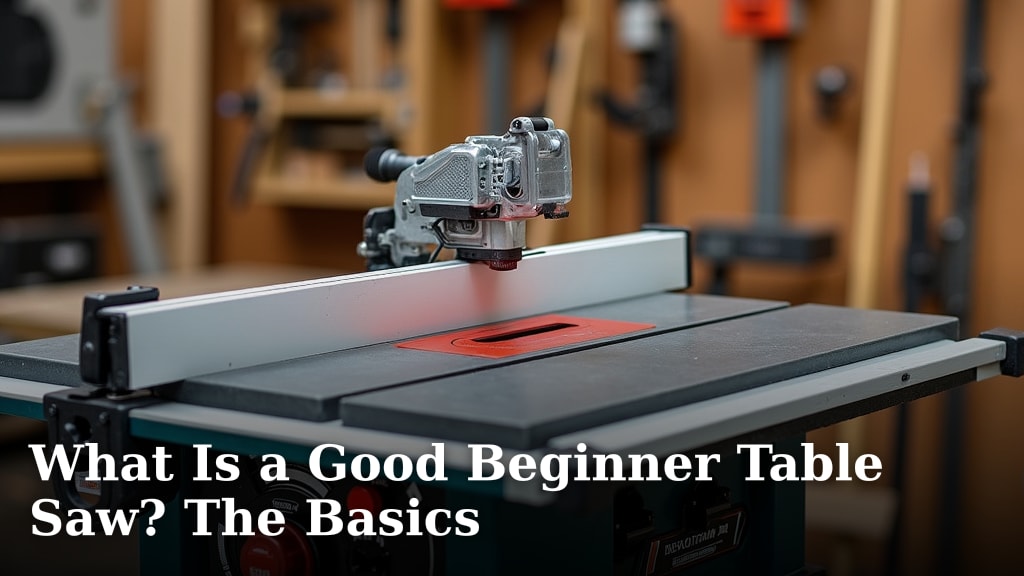
A good beginner table saw is one that’s accurate, safe, and easy to use without costing a fortune. For new woodworkers, this often means looking at benchtop or compact contractor saws. These offer enough power for most common tasks and are lighter for easier portability. You’ll want a saw with a stable fence system for straight cuts.
When you’re just starting, the goal is to build confidence and skills. A beginner table saw should help you achieve this. It needs to be reliable for basic cuts like ripping and crosscutting. Think about dust collection capabilities too, as sawdust can make your workspace messy and unsafe. Don’t forget about safety features like a blade guard and a riving knife.
- A beginner table saw should be accurate and safe.
- Benchtop or compact contractor saws are great starting points.
- Look for a stable fence and good dust collection.
- Safety features are essential for new woodworkers.
- Focus on saws good for basic ripping and crosscutting.
Ready to find the perfect saw for your new projects? Let’s dive into what makes a table saw a great choice for beginners and what specific features to watch out for.
Choosing Your First Table Saw: The Right Tools for Beginners
Finding a good beginner table saw means focusing on what truly matters for new woodworkers. You need a tool that’s accurate, safe, and forgiving as you learn. It shouldn’t break the bank either. For many starting out, this points to benchtop or compact contractor-style saws. These offer a good balance of capability and manageability.
The main goal when you’re starting is to build confidence and skill. A well-chosen beginner table saw will help you do just that. You’ll want something reliable for making those essential cuts like ripping boards to width and crosscutting them to length. It’s also wise to consider how well it handles dust, as sawdust can quickly turn your workshop into a slippery, hazy mess, which isn’t ideal for safety or cleanliness.
Understanding Table Saw Types for Beginners
When you start looking, you’ll see a few main types of table saws. For beginners, two categories stand out as the best places to start your search. They offer the features you need without overwhelming you with complexity or cost.
Benchtop Table Saws: Your Portable Workshop Companion
Benchtop table saws are designed for portability and lighter use. They’re typically the most affordable option. Their smaller size means they don’t take up much space. This makes them perfect for small garages or basements. You can often find them with decent power for cutting common lumber sizes. Their light weight means you can easily move them out of the way when not in use.
Many benchtop models come with a basic fence system. This is the guide that keeps your wood straight as you cut. For beginners, a stable fence is absolutely key to making accurate rips. Some higher-end benchtop saws even offer decent dust collection ports, which is a nice bonus. Just remember, their smaller table surface might limit the size of the material you can safely work with.
Compact Contractor Saws: A Step Up in Power and Stability
Compact contractor saws are a step up from benchtop models. They offer more power and a larger, more stable cast-iron table. This extra weight and size give you a more solid platform for cutting. They generally have a more robust motor, making them better for thicker or harder woods. These saws are often designed to be more durable and precise.
A big advantage of compact contractor saws is their superior fence systems. They tend to be more rigid and easier to adjust accurately. This is a huge win for consistent, straight cuts. Many also come with better dust collection hoods and sometimes even onboard storage for accessories. While heavier than benchtop models, they still offer some degree of portability, often with wheels or stands.
Key Features to Look for in a Beginner Table Saw
Now that you know the types, let’s talk about the specific features that make a table saw great for someone just starting out. These are the bits and pieces that will make your learning curve smoother and your projects more successful.
The Fence: Your Guide to Straight Cuts
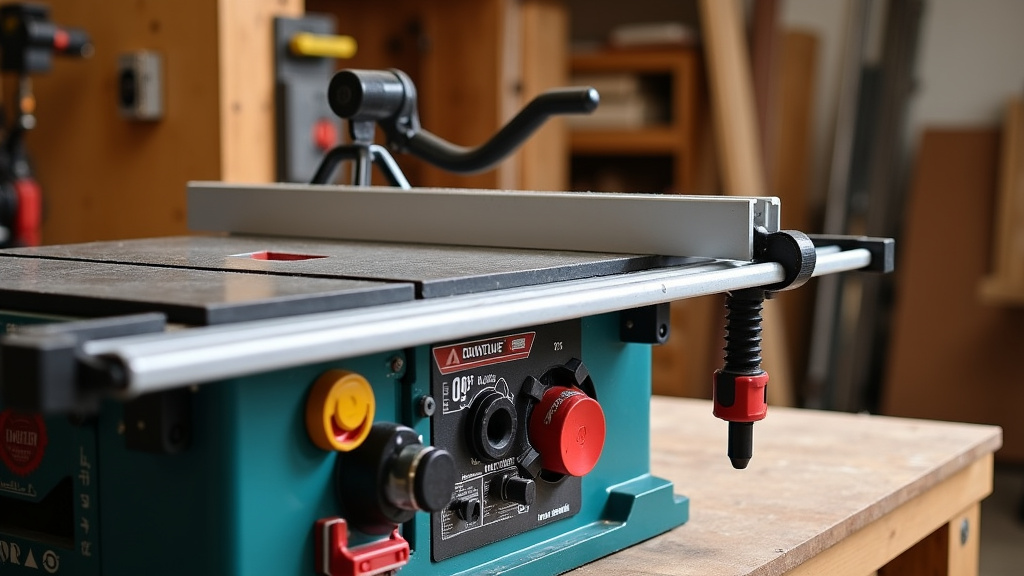
The fence is probably the most critical component for accurate cuts. It’s the metal rail that your wood slides against. You want a fence that’s easy to lock in place and stays parallel to the blade. A wobbly or hard-to-adjust fence will lead to frustratingly inaccurate cuts.
We found that saws with a “beveled” or “shelf” edge on the fence are often better. This design helps keep the fence from tipping when you apply pressure. Look for fences that move smoothly on their rails and lock down securely with minimal effort. Brands often advertise their fence systems by name; research these to see user reviews on their stability and ease of use.
Blade Guard and Riving Knife: Safety First, Always!
Safety features are non-negotiable, especially when you’re new to woodworking. The blade guard is the plastic or metal cover over the blade. It helps prevent accidental contact. Many modern guards also have dust collection ports built-in, which is a big plus.
A riving knife is just as important, if not more so. It’s a thin piece of metal that sits just behind the blade. Its job is to prevent “kickback,” where the wood is violently thrown back at you. Kickback is one of the most dangerous hazards with table saws. A good riving knife is essential. Many experts say you should ensure the riving knife is thicker than the blade’s kerf (the width of the cut) and that it stays aligned with the blade even when you tilt it for bevel cuts (Wood Magazine research).
Dust Collection: Keeping Your Workspace Clean and Safe
Woodworking creates a lot of sawdust. It gets everywhere! A table saw with good dust collection will make your life much easier. Look for saws that have a dust port, usually a circular opening where you can attach a shop vacuum or a dedicated dust collector. This port should ideally be located to capture dust from both the blade housing and the blade guard.
While smaller benchtop saws might only have a basic port, contractor saws often have more extensive dust collection shrouds. Even with a good port, you’ll likely still need a shop vacuum to keep things tidy. Many guidelines recommend a vacuum with at least a 4-horsepower motor for effective dust removal (OSHA recommendations). A cleaner workspace is a safer workspace, and it makes enjoying your hobby much more pleasant.
Power and Motor: Enough Muscle for Your Projects
For most beginner projects, you don’t need the most powerful saw on the market. Look for saws with motors in the 10-15 amp range for benchtop models, and potentially 13-15 amps or more for contractor saws. This range provides enough power to cut through common lumber like pine, poplar, and even some hardwoods without bogging down.
Pay attention to the saw’s amperage rating. A higher amp rating generally means more power. However, the motor’s design and gearing also play a role. It’s good to check reviews to see how well the saw performs under load, meaning when you’re actually cutting wood. You want a motor that doesn’t struggle too much, as this can affect cut quality and safety.
Table Size and Extension: Room to Work Safely
The size of the table surface, often called the “table footprint,” is important for stability and safety. A larger table provides a more stable base for your wood. It also helps support wider boards during ripping operations.
Many saws come with table extensions, usually made of aluminum or cast iron. These can significantly increase the workable surface area, especially for wider cuts. For beginners, having a table that feels substantial and allows you to support your material adequately is key. A good rule of thumb is to have enough table space to comfortably support the largest piece of material you plan to cut.
Ease of Assembly and Use: Getting Started Quickly
When you’re excited to start making things, you don’t want to spend days assembling your saw. Look for saws that have clear instructions and relatively straightforward assembly. Many reviews will mention if the setup process was particularly difficult or time-consuming.
Beyond assembly, consider how easy the saw is to operate daily. Is the power switch easy to reach? Can you adjust the blade height and bevel angle smoothly? These small details make a big difference in your overall experience. Many user forums discuss which saws are particularly user-friendly right out of the box.
A Quick Checklist for Your Beginner Table Saw Search
To help you keep track, here’s a handy checklist of the most important things to consider when you’re shopping for your first table saw:
- Stable Fence System: Does it lock down securely and stay parallel to the blade?
- Reliable riving knife: Is it present and properly aligned with the blade?
- Adequate Power: Can it handle your typical project materials (look at amp rating)?
- Dust Collection Port: Is there a place to attach a vacuum or collector?
- Good Table Surface: Is it large enough and stable for your material?
- Easy to Use Controls: Are adjustments for height and angle smooth and accessible?
Conclusion
Finding your first table saw is an exciting step. Remember, a good beginner saw prioritizes accuracy, safety, and ease of use. You’ve learned that benchtop and compact contractor saws are excellent starting points. Focus on a stable fence, a reliable riving knife, and adequate dust collection for a better experience. Don’t be afraid to spend a little time researching user reviews. Your ideal saw is out there, ready to help you build confidence and amazing projects.
Now, armed with this knowledge, you’re ready to find the perfect saw for your workshop. Go ahead and start looking for models that match these essential features.
Frequently Asked Questions
How much power do I really need for a beginner table saw?
For most beginner projects, a motor in the 10-15 amp range is sufficient. This provides enough power for common lumber like pine and poplar. A higher amp rating generally means more power, but check reviews for how it performs under load.
Is a riving knife more important than a blade guard?
Both are very important for safety, but a riving knife is critical for preventing kickback, which is a major hazard. Ensure your saw has a properly aligned riving knife that is thicker than your blade’s kerf.
What’s the difference between a benchtop and a compact contractor saw for a beginner?
Benchtop saws are lighter, more affordable, and highly portable, perfect for small spaces. Compact contractor saws offer more power, a larger cast-iron table for stability, and often better fences, making them a step up.
Can I upgrade the fence on a beginner table saw later?
While some budget saws may have less robust fences, upgrading can be challenging or even impossible depending on the model’s design. It’s usually better to find a saw with the best fence system you can afford from the start.
How important is dust collection on a beginner table saw?
Dust collection is very important for a clean and safe workspace. Look for a saw with a dust port that can connect to a shop vacuum. Even basic collection makes a big difference in reducing airborne dust and keeping your work area tidy.