What Is a Rip Blade? Here’s What to Know
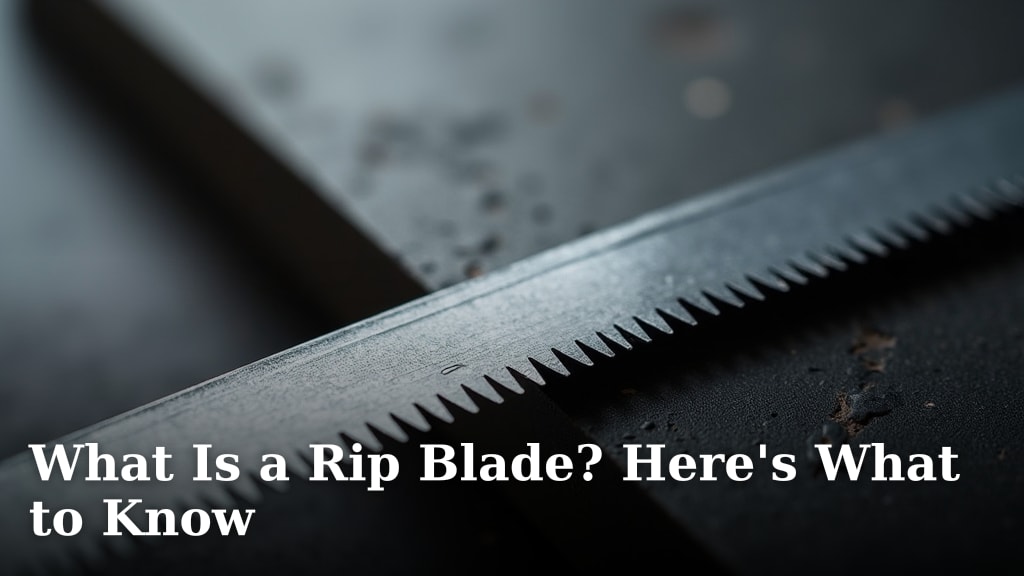
A rip blade is a type of saw blade designed for making long, straight cuts across the grain of wood. Think of it as your go-to tool for ripping lumber down to size. It features a specific tooth count and angle to efficiently remove wood in a straight line.
Unlike crosscut blades, which have many teeth for clean, short cuts, rip blades have fewer, larger teeth. This design reduces friction and allows for faster material removal. You’ll find them essential for projects requiring precise ripping, like building furniture or framing.
- Rip blades make long, straight cuts.
- They are ideal for cutting with the wood grain.
- Fewer, larger teeth help remove wood quickly.
- They are different from crosscut blades.
- Proper use ensures cleaner, faster rips.
Below, we’ll break down exactly what makes a rip blade special and how you can use it effectively for your woodworking projects.
Understanding the Rip Blade: Your Guide to Straight Cuts
A rip blade is a specialized saw blade designed to make long, straight cuts in wood. You’ll typically use it when you need to cut with the grain of the wood. Think of it as the perfect tool for breaking down larger lumber into narrower strips.
What Makes a Rip Blade Different?
The key difference lies in the tooth design. Rip blades have fewer teeth, and these teeth are usually larger and spaced further apart. This design is intentional. It helps the blade remove material quickly and efficiently.
Tooth Count and Angle: The Science Behind the Cut
Rip blades generally have a tooth count between 24 and 30 teeth per inch (TPI) for a 10-inch blade. Compare this to a crosscut blade, which might have 60 TPI or more. This lower tooth count is essential. It creates larger gullets, the spaces between teeth. These gullets clear out sawdust more effectively. This prevents the blade from binding or overheating.
The hook angle of the teeth is also important. Rip blades typically feature a steeper hook angle, often around 10-20 degrees. This angle helps the teeth dig into the wood aggressively. It makes for a faster, more powerful cut when moving along the grain. A steeper hook angle allows the blade to ‘rip’ through the wood fibers more easily.
Rip Blade vs. Crosscut Blade: Knowing the Difference
It’s easy to get rip blades and crosscut blades confused. They look similar but serve very different purposes. You use a crosscut blade for cutting across the grain of the wood. Imagine cutting a 2×4 to length. Crosscut blades have more teeth. These smaller, closely spaced teeth create a cleaner, smoother cut. They don’t remove material as quickly. They are designed to shear the wood fibers cleanly.
Here’s a simple way to remember it. Rip blades are for lengthwise cuts. Crosscut blades are for widthwise cuts. Using the wrong blade can lead to poor results. You might get a rough cut, burn marks, or even damage your saw.
| Feature | Rip Blade | Crosscut Blade |
|---|---|---|
| Primary Use | Cutting along the grain | Cutting across the grain |
| Tooth Count (10-inch blade) | 24-30 TPI | 60+ TPI |
| Tooth Size | Larger | Smaller |
| Gullet Size | Larger | Smaller |
| Hook Angle | Steeper (10-20 degrees) | Shallower (typically 5-15 degrees) |
| Cut Speed | Faster | Slower, cleaner |
When to Choose a Rip Blade for Your Projects
So, when is a rip blade your best friend? Whenever you need to make a long, straight cut parallel to the wood grain. This is common in many woodworking scenarios. For example, you might need to rip down a sheet of plywood to make cabinet sides. Or perhaps you’re cutting lumber for furniture legs or shelves.
Common Applications for Rip Blades
You’ll find rip blades incredibly useful for:
- Breaking down large sheets of material like plywood or MDF into smaller, usable pieces.
- Sizing lumber for projects where precise width is important.
- Creating dadoes or grooves when used with a dado stack (though specialized dado blades exist).
- Building furniture, especially for components that require ripping.
- Framing projects where you need to cut studs or joists to specific widths.
Many woodworkers find that having a dedicated rip blade and a dedicated crosscut blade makes a noticeable difference. It saves time and results in a better finish. You’re essentially using the right tool for the job. That’s always a good strategy.
How to Use a Rip Blade Effectively and Safely
Using any saw blade requires care. Rip blades, because they cut so quickly, demand extra attention to safety. Always start by ensuring the blade is sharp and free from damage. A dull blade is more likely to bind, which is a major safety hazard.
Setting Up Your Saw for Ripping
Before you start cutting, make sure your saw is properly set up. This includes checking your rip fence. The rip fence guides your wood and keeps your cut parallel to the blade. Ensure it’s set to the desired width. It should be locked down securely. A loose fence can lead to an inaccurate or dangerous cut. Before you start cutting, make sure your saw is properly set up, including checking your rip fence.
Also, ensure your blade guard is in place and functioning correctly. When you’re ripping, you’ll want to use a push stick or push block. These tools keep your hands safely away from the spinning blade. Many experts recommend them for any cut where your hands might get close to the blade’s path (OSHA).
Techniques for Clean and Safe Ripping
When you push the wood through the saw, try to maintain a steady, consistent feed rate. Don’t force the wood. Let the blade do the work. If you feel the blade binding or hear the motor strain, stop the saw immediately. You might have a dull blade, or your fence might be set incorrectly.
After the cut is complete, let the blade stop spinning entirely before removing the cut pieces. This prevents kickback. Kickback is when the wood is suddenly thrown back towards you. It’s a serious risk when sawing. Following these simple guidelines can make your ripping tasks much safer and more productive.
Choosing the Right Rip Blade for Your Needs
Not all rip blades are created equal. When you’re shopping, consider a few factors. The blade material is important. Most good quality blades are made from high-speed steel or have carbide teeth. Carbide teeth are generally more durable and stay sharper longer than plain steel.
Blade Material and Tooth Configuration
Carbide-tipped blades are a popular choice for a reason. They offer a good balance of durability and cutting performance. Look for blades with good quality carbide. The number of teeth, as we discussed, should be in the 24-30 TPI range for ripping. The kerf, which is the width of the cut the blade makes, is another consideration. Thin-kerf blades remove less material. This puts less strain on your saw motor. However, they might not be as durable as full-kerf blades.
Brand Reputation and Reviews
Researching different brands can be helpful. Some brands are known for producing higher-quality blades that last longer. Reading reviews from other woodworkers can give you an idea of a blade’s performance. Many experienced users offer helpful feedback. We found that blades from reputable manufacturers often provide a better user experience.
A good rip blade is a worthwhile investment for anyone who works with wood regularly. It will make your projects easier, faster, and give you more professional-looking results. Make sure you have one ready for your next build.
Quick Rip Blade Checklist
- Purpose: Long, straight cuts with the wood grain.
- Tooth Count: Lower, typically 24-30 TPI for a 10-inch blade.
- Tooth Angle: Steeper hook angle (10-20 degrees) for aggressive cutting.
- Safety: Always use with a rip fence and push sticks.
- Maintenance: Keep blades sharp and clean for best performance.
- Comparison: Different from crosscut blades, which have more teeth for across-the-grain cuts.
Conclusion
You’ve learned that a rip blade is your essential tool for those long, straight cuts made with the wood’s grain. Its design, with fewer and larger teeth, allows it to efficiently remove wood, making it perfect for sizing lumber and breaking down large sheets.
Remembering the difference between rip and crosscut blades will save you time and effort. Always prioritize safety by using your rip fence and push sticks. Invest in a good quality rip blade; it’s a smart move for better woodworking results. Now you’re ready to tackle your next project with confidence!
Frequently Asked Questions
Can I use a rip blade for cutting across the grain?
While you can technically cut across the grain with a rip blade, it’s not recommended. The blade’s design is optimized for ripping, so cutting across the grain will likely result in a rougher finish and potentially splintering. It’s best to use a crosscut blade for those types of cuts.
How often should I sharpen my rip blade?
The frequency of sharpening depends on how often you use the blade and the types of wood you cut. Generally, a good quality rip blade will need sharpening after extensive use. You’ll notice a decline in cutting performance, increased motor strain, or more burn marks when it’s time to sharpen.
What is the ideal tooth count for a rip blade?
For a standard 10-inch blade, the ideal tooth count for ripping is typically between 24 and 30 teeth per inch (TPI). This lower tooth count, combined with larger gullets between the teeth, allows for efficient sawdust removal and faster cutting along the grain.
Are thin-kerf rip blades better than standard ones?
Thin-kerf rip blades remove less wood with each cut, which puts less strain on your saw’s motor. This can be beneficial for smaller or less powerful saws. However, standard-kerf blades are often more durable and may offer a slightly cleaner cut in some applications.
Can I use a dado blade for ripping?
A dado blade stack is designed for cutting wide grooves or dadoes, which are essentially wider rip cuts. While you can use it for ripping, it’s an overkill for simple ripping tasks. Using a standard rip blade is more efficient and practical for most long, straight cuts with the grain.