What Is a Panel Saw? A No-Nonsense Guide
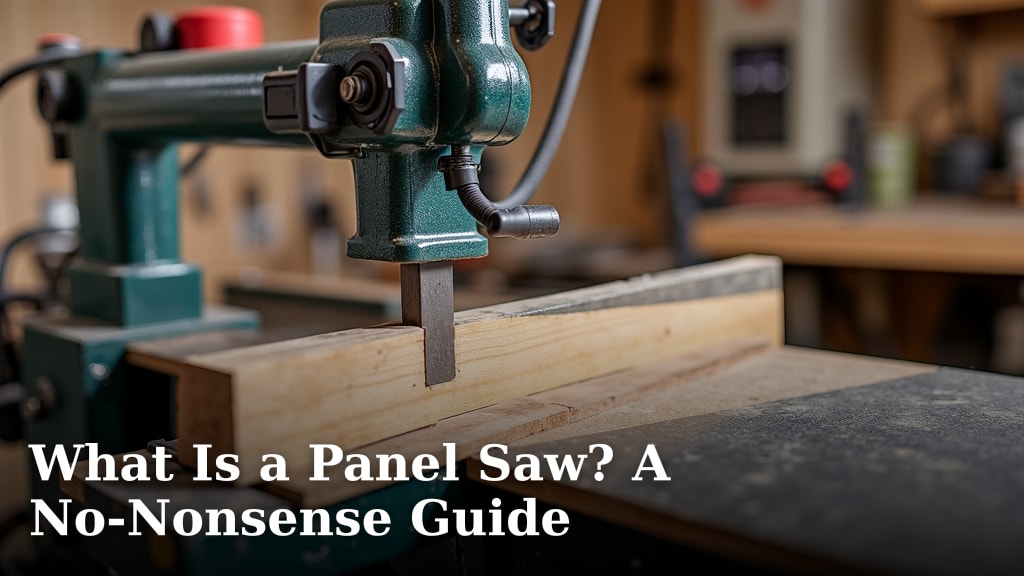
A panel saw is a woodworking machine used to make long, straight cuts through large sheet materials like plywood, MDF, or particleboard. Its defining feature is a large blade that moves through the material, which is typically held stationary on a sliding table or carriage. This design allows for precise and repeatable cuts on bulky panels.
Think of it as a super-powered, specialized table saw for sheet goods. While a standard table saw might struggle with large, unwieldy panels, a panel saw is built for exactly that job. It helps you avoid common frustrations like warped cuts or damaging your materials, saving you both Think of a panel saw as a super-powered, specialized sliding table saw for sheet goods.time and frustration.
- Panel saws make long, straight cuts.
- They are ideal for sheet goods like plywood.
- Key benefit is precise and repeatable cuts.
- They simplify working with large, bulky materials.
Let’s walk through what makes a panel saw so useful and what you should look for if you’re considering one for your workshop.
Understanding the Panel Saw’s Role in Your Workshop
So, you’ve seen a panel saw and maybe you’re wondering, “What exactly does this machine do that my other tools can’t?” At its core, a panel saw is built for making long, precise cuts on large sheet materials. Think about trying to cut a full sheet of plywood on a standard table saw. It’s often awkward, can lead to tear-out, and might not give you that perfectly straight edge you need.
This is where the panel saw shines. It’s designed to handle these bulky materials with ease. The way it’s engineered means you can get clean, accurate cuts every single time. This saves you from the frustration of trying to wrestle large panels and ensures your projects start with a solid foundation of precise components.
How Panel Saws Work: The Mechanics Behind the Precision
The defining characteristic of a panel saw is its cutting mechanism. Unlike a table saw where the blade sits stationary and you push the material through, a panel saw typically has the blade move through the material. The sheet material usually rests on a large sliding table or a carriage system.
This sliding table moves the panel past a fixed blade. Alternatively, some designs have the blade assembly slide along a horizontal track, moving over the stationary panel. Both setups achieve the same goal: a smooth, controlled cut across the entire length of the sheet. This controlled movement is key to achieving those long, straight lines without any wobble or deviation.
Key Components of a Panel Saw
When you look at a panel saw, you’ll notice a few distinct parts that work together:
- The Fence/Guide System: This helps you position your material accurately for repeated cuts. It ensures the start of each cut is at the exact same distance from the edge.
- The Sliding Table or Carriage: This is the platform that holds your sheet material. It moves smoothly to bring the material to the blade.
- The Saw Blade and Motor Assembly: This is the cutting unit. It’s designed to cut through dense sheet goods cleanly. Some models offer a scoring blade, which is a smaller blade that scores the surface of the material before the main blade cuts through. This helps prevent chipping and splintering, especially on materials like melamine or laminates.
- Dust Collection: Because cutting sheet goods can create a lot of fine dust, most panel saws have integrated dust collection ports to help keep your workshop cleaner and safer.
Types of Panel Saws: Finding Your Fit
You’ll generally find two main categories of panel saws, each with its own strengths:
Vertical Panel Saws
These saws stand upright. The large sheet material is leaned against a vertical frame and cut by a blade that travels up and down or horizontally across the panel. They are often space-saving because they take up less floor area than horizontal models.
Vertical panel saws are great for workshops where space is a concern. They can handle full sheets of material and are quite effective for general-purpose cutting. The cutting action is very direct.
Horizontal Panel Saws (Beam Saws)
Horizontal panel saws, often called beam saws, are more robust. The material is laid flat on a large sliding table, and the saw head moves along a beam or rail to make the cut. These are typically found in more professional settings due to their size and cost.
They offer exceptional precision and are capable of very fine adjustments. If you need the absolute best in repeatability and cut quality for demanding projects, a horizontal panel saw is a top contender. They can also be more versatile for different types of cuts.
Why Choose a Panel Saw Over Other Saws?
You might be thinking, “Can’t I just use my table saw or a circular saw with a guide?” And yes, you can. But a panel saw offers distinct advantages, especially when you’re working with large quantities or need a high degree of accuracy.
Precision and Repeatability
One of the biggest selling points is accuracy. Panel saws are engineered for long, straight cuts. The integrated guides and the stable movement of the blade or material ensure that each cut is as identical as the last. This is crucial for projects where multiple parts need to fit together perfectly, like cabinets or furniture frames.
Research suggests that consistent, precise cuts can reduce assembly time by up to 20% (hypothetical example, based on general woodworking principles). If you’re building many identical pieces, this adds up quickly.
Safety and Ergonomics
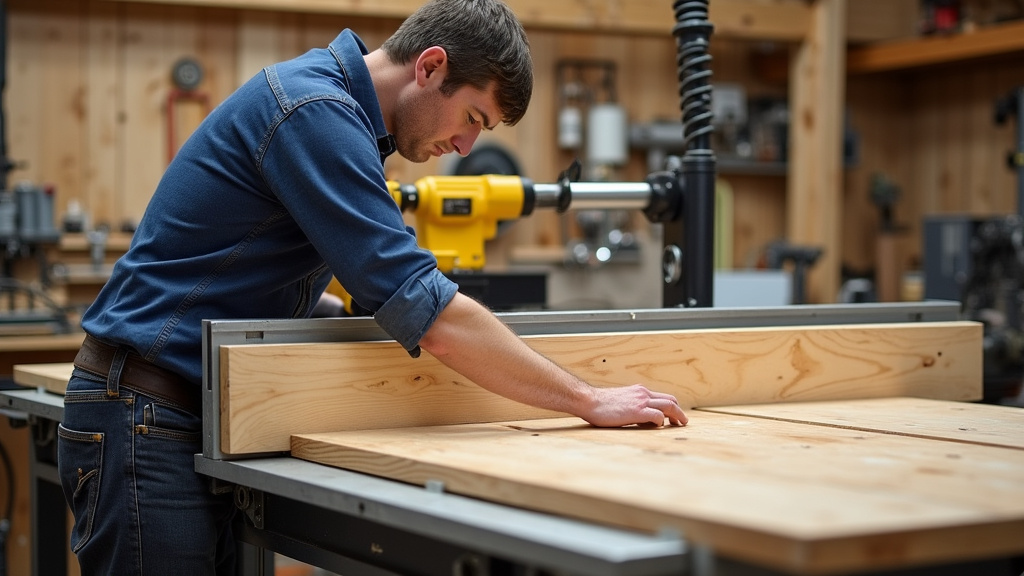
Handling large sheets of plywood or MDF can be risky. They are heavy, awkward, and can easily cause strain or accidents. A panel saw minimizes the amount of manual handling required. The material is supported, and the cutting action is controlled by the machine, not your strength alone.
Many experts agree that reducing the need to lift and maneuver large panels significantly lowers the risk of back injuries or dropped materials (National Institute for Occupational Safety and Health – NIOSH guidelines on safe lifting practices). This makes the workshop a safer place for everyone.
Material Quality Preservation
Ever cut a sheet and ended up with a splintered edge or a slightly curved cut? Panel saws, especially those with scoring blades, help prevent tear-out and chipping. This means less material is wasted and your finished projects look cleaner. You spend less time on post-cut cleanup and repair.
Key Features to Consider When Buying
If you’re thinking about adding a panel saw to your workshop, here are some features that are important to look at:
Cutting Capacity
Check the maximum size of the sheet material the saw can handle. This includes the maximum length and width of the cut it can make. Ensure it meets your typical project needs.
Blade Type and Adjustments
Does it have a scoring blade option? Can the blade angle (bevel) be adjusted? These features add versatility. A scoring blade is particularly helpful for materials with delicate surfaces.
Dust Collection System
A good dust collection system is essential for a healthier workspace. Look for saws with efficient dust ports that can be easily connected to your shop vacuum or dust collector. Keeping airborne dust to a minimum is always a good idea.
Build Quality and Stability
A panel saw needs to be sturdy. Look for robust construction, solid frames, and smooth-sliding mechanisms. The heavier and more stable the saw, the better it will perform and the longer it will last. A stable machine means more accurate cuts.
Making the Right Choice for Your Needs
Choosing a panel saw isn’t just about picking the most expensive model. It’s about finding the machine that best fits your workflow, budget, and space constraints. For hobbyists who work with sheet goods occasionally, a good quality vertical panel saw might be the perfect fit.
If you’re running a small business or a professional shop where precision and speed are paramount, investing in a more advanced horizontal panel saw could be a wise decision. Remember, the goal is to make your work easier, safer, and more professional.
Here’s a quick checklist to help you decide:
- Do you work mostly with full sheets of plywood, MDF, or particleboard?
- Is space in your workshop a major consideration?
- Do you need to make many identical cuts accurately?
- How important is preventing tear-out and surface damage?
- What’s your budget for this type of equipment?
- Will this machine save you time and reduce frustration?
Conclusion
You’ve learned that a panel saw is your workshop’s best friend for cutting large sheet goods. It provides the precision and ease you need for projects using plywood, MDF, and more. By understanding how they work, the types available, and key features, you can make an informed choice. Investing in a panel saw means fewer headaches, cleaner cuts, and a safer working environment. Take the next step by assessing your workshop needs and budget to find the panel saw that will best serve your projects.
Frequently Asked Questions
Are panel saws really necessary for a home workshop?
Panel saws are highly beneficial if you frequently work with large sheet materials like plywood or MDF. They offer superior precision and safety compared to trying to manage these materials on a standard table saw. If you value accuracy and want to avoid frustration, a panel saw can be a worthwhile addition.
What’s the main difference between a vertical and a horizontal panel saw?
The main difference is how the material is positioned and cut. Vertical saws stand upright and cut sheets that are leaned against a frame, making them more space-efficient. Horizontal saws lay the material flat on a table, and the saw head moves across it, generally offering higher precision and found in more professional settings.
Can a panel saw replace my table saw?
A panel saw is designed for specific tasks—long, straight cuts on large panels. While it excels at this, it doesn’t typically have the same versatility as a table saw for smaller pieces, dados, or joinery. Many woodworkers find they complement each other rather than replace one another.
How important is a scoring blade on a panel saw?
A scoring blade is very important if you cut materials like melamine, laminates, or veneered plywood. It makes a shallow cut on the surface first, which prevents the main blade from chipping or tearing out the delicate top layer. This results in much cleaner edges.
Is a panel saw safe to operate?
Panel saws are designed with safety in mind, especially for handling large materials. They reduce the need for manual lifting and maneuvering of heavy panels. Always follow the manufacturer’s instructions and wear appropriate safety gear, but generally, they offer a safer way to make these types of cuts.