What Size Table Saw Do I Need? The Facts Explained
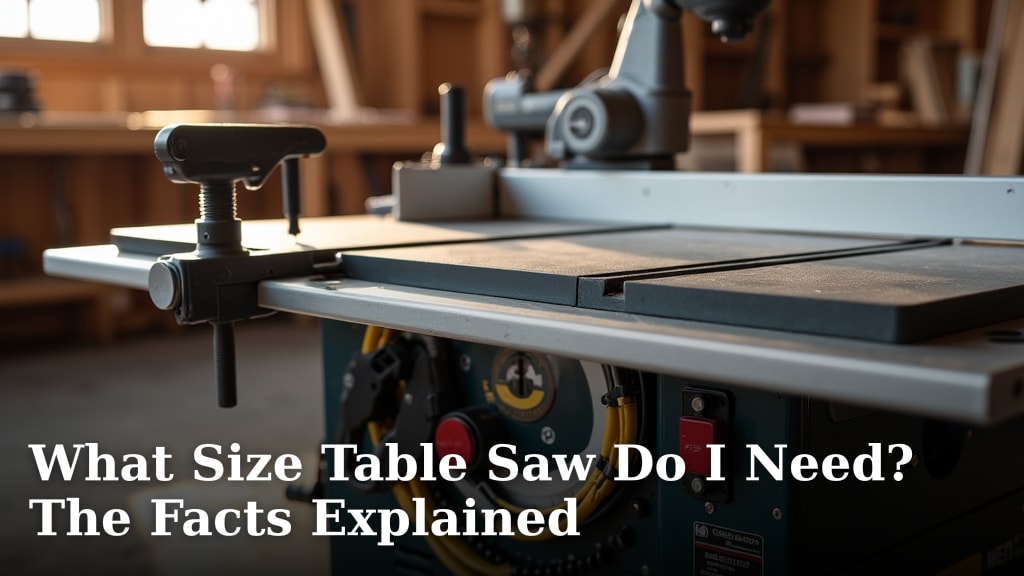
The right table saw size for you depends on your available space and the types of projects you plan to tackle. For most DIYers, a 10-inch contractor saw offers a good balance of power, portability, and footprint. If space is really tight, a compact jobsite saw might be your best bet. For serious woodworkers with ample room, a larger cabinet saw provides more power and stability.
Choosing the right size means considering factors beyond just motor power. Think about rip capacity (how wide a board you can cut) and the overall footprint of the saw. A larger saw often means more weight, making it harder to move. We found that understanding these key differences helps you avoid buying a saw that’s too big for your garage or too small for your ambitions.
- Contractor saws are great all-around options.
- Jobsite saws are best for limited space.
- Cabinet saws are for serious workshops.
- Consider rip capacity and portability.
- Match the saw to your project needs.
Let’s walk through the different types of table saws and what size makes the most sense for your workshop.
Choosing the Right Table Saw Size for Your Workshop Needs
The size of a table saw matters a lot. It affects where you can put it and what you can build with it. We’ve looked at many saws and found that matching the saw to your projects and space is key. It’s not just about how big it looks, but how it performs for *your* specific needs.
Understanding Table Saw Categories
Table saws come in a few main types. Each one is designed for different uses and workshops. Knowing these categories will help you see which size makes the most sense for you.
1. Jobsite Table Saws: The Compact Champions
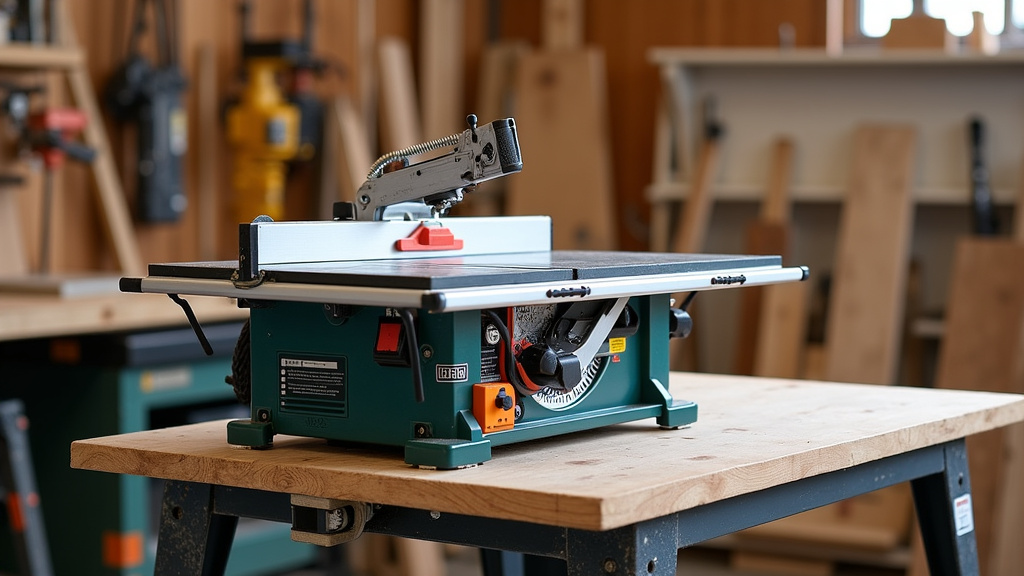
If you have limited space, a jobsite table saw might be your best friend. These are built to be portable. They are lighter and often have folding stands. Many DIYers find them perfect for garages or even for taking to different job sites. They offer a good amount of power for their size.
Think of a jobsite saw as a sturdy, reliable tool that doesn’t take up your whole garage. You can usually fold it up and roll it out of the way. This is a big plus if you need your workspace for other things, like parking your car.
Pros of Jobsite Saws
- Lightweight and portable for easy moving.
- Smaller footprint saves valuable space.
- Generally more affordable than larger saws.
Cons of Jobsite Saws
- Often have a smaller motor, which can slow down on hard materials.
- Less stable than bigger saws, which can affect cut accuracy for very precise work.
- Lower rip capacity means you can cut narrower boards.
2. Contractor Table Saws: The Versatile All-Stars
For many woodworkers, the contractor table saw is the sweet spot. These saws offer a great balance of power, size, and features. They are heavier than jobsite saws but still manageable. Many come with wheels or can be put on mobile bases.
A contractor saw is a workhorse. It can handle most tasks for home use and serious hobbyists. If you plan on doing a variety of woodworking projects, this is often the recommended size. It’s a solid investment for your workshop.
Pros of Contractor Saws
- Good power for most woodworking tasks.
- Usually have a larger tabletop for better support of wood.
- Better stability than jobsite saws.
- Decent rip capacity for most common lumber sizes.
Cons of Contractor Saws
- Heavier and less portable than jobsite models.
- Can still be a bit noisy and produce a lot of dust.
- May require more space than a compact saw.
3. Cabinet Table Saws: The Powerhouses for Serious Work
If you’re a dedicated woodworker or run a small shop, you might consider a cabinet table saw. These are the largest and most powerful saws. They are built for heavy-duty use and precision. You won’t be moving these around much; they are designed to stay put.
Cabinet saws have enclosed bases that help with dust collection and provide maximum stability. Their powerful motors can easily cut through thick hardwoods. If your projects involve a lot of material or require extreme precision, this is the way to go. Many experts say these are the gold standard for woodworking.
Pros of Cabinet Saws
- Most powerful motors for effortless cutting.
- Highest level of stability and accuracy.
- Largest tabletops and best support for large panels.
- Excellent dust collection features.
Cons of Cabinet Saws
- Very heavy and not portable at all.
- Require the most space in a workshop.
- Generally the most expensive option.
Key Features to Consider Beyond Physical Size
When picking a table saw, think beyond just the overall dimensions. A few specific features will heavily influence how well the saw works for your projects.
Rip Capacity: Cutting Wider Boards
Rip capacity is a critical measurement. It tells you the widest piece of wood you can cut from the edge to the blade. Most saws have a fence that slides along the table. The distance this fence can move from the blade is your rip capacity.
For example, a common rip capacity is 30 inches. This means you can cut a board up to 30 inches wide parallel to the grain. If you often work with wide planks, like for tabletops or large cabinet doors, you’ll need a saw with a larger rip capacity. Many experts suggest aiming for at least 24 inches for general woodworking.
Table Size and Extension: Supporting Your Wood
The table size determines how much surface area you have to support your workpiece. A larger table gives you more control and safety when cutting longer or wider boards. Many saws come with extensions or outfeed tables.
These additions can significantly increase the usable surface area. They are especially helpful when working with large sheets of plywood or long pieces of lumber. We found that saws with good extension options are much more versatile.
Motor Power: The Muscle Behind the Blade
Motor power is measured in horsepower (HP). More horsepower generally means the saw can handle tougher jobs and cut through wood more easily. For basic DIY tasks, a 1.5 to 2 HP motor is usually sufficient.
If you plan on cutting dense hardwoods or working with the saw for extended periods, consider a motor with 3 HP or more. A stronger motor won’t bog down as much, leading to cleaner cuts and less frustration. Many sources point out that underpowered saws can be dangerous.
Weight and Portability: Moving Your Saw
The weight of a table saw directly impacts its portability and stability. Heavier saws are generally more stable, which leads to more accurate cuts. However, if you need to move your saw regularly, a lighter model or one with a good mobile base is essential.
Jobsite saws often weigh under 50 pounds, making them easy to carry. Contractor saws can range from 150 to 300 pounds. Cabinet saws can weigh over 500 pounds. Think about how often you’ll need to move it and where it will live in your workshop.
A Quick Comparison of Table Saw Types
| Saw Type | Typical Blade Size | Best For | Portability | Approximate Weight |
|---|---|---|---|---|
| Jobsite | 10 inches | Limited space, occasional use, portability | High (often with wheels/stands) | 30-60 lbs |
| Contractor | 10 inches | General DIY, hobbyists, balanced performance | Medium (mobile bases common) | 150-300 lbs |
| Cabinet | 10 or 12 inches | Serious woodworking, high precision, heavy use | Low (stationary) | 500+ lbs |
Making Your Final Decision: A Checklist
Ready to choose? Run through this quick checklist to help you decide which table saw size is right for you.
- Do you have ample space, or is your workshop cramped?
- What kinds of projects do you plan to do most often?
- Do you need to move the saw regularly, or will it stay in one spot?
- What is your budget for a table saw and any accessories?
- How wide are the boards you typically need to cut?
- Is maximum power and precision essential for your work?
Conclusion
Finding the right table saw size is about matching the tool to your space and your projects. You’ve learned about jobsite saws for tight spots, contractor saws for all-around versatility, and cabinet saws for serious workshops. Remember to consider rip capacity, table size, motor power, and portability. By weighing these factors against your needs, you can confidently choose a saw that will serve you well for years to come. Your next step is to measure your available space and sketch out your typical projects, then find a saw that fits.
Frequently Asked Questions
What’s the biggest difference between a contractor saw and a cabinet saw?
The main difference is weight and power. Cabinet saws are much heavier and offer more stable, powerful performance for demanding tasks. Contractor saws are lighter, more portable, and a good balance for most DIYers and hobbyists.
Can a jobsite saw handle ripping long boards?
A jobsite saw can rip long boards, but its limited rip capacity and smaller table might make it less stable and more difficult to manage for very wide pieces. You’ll want to use extra support, like an outfeed roller.
How much horsepower do I really need in a table saw?
For most common DIY projects and cutting softer woods, a 1.5 to 2 HP motor is usually enough. If you plan to cut hardwoods or work the saw for long periods, aim for 3 HP or more to prevent bogging down.
Is a 10-inch or 12-inch blade better for a table saw?
A 10-inch blade is standard for most jobsite and contractor saws and works well for most projects. A 12-inch blade, typically found on cabinet saws, can cut slightly thicker materials but requires a larger saw overall.
Do I need a mobile base if I have a contractor saw?
A mobile base is highly recommended for contractor saws if you need to move it. While they are not as portable as jobsite saws, a good mobile base makes it much easier to reposition your saw within your workshop.