How Much Does a Table Saw Cost? What It Really Means
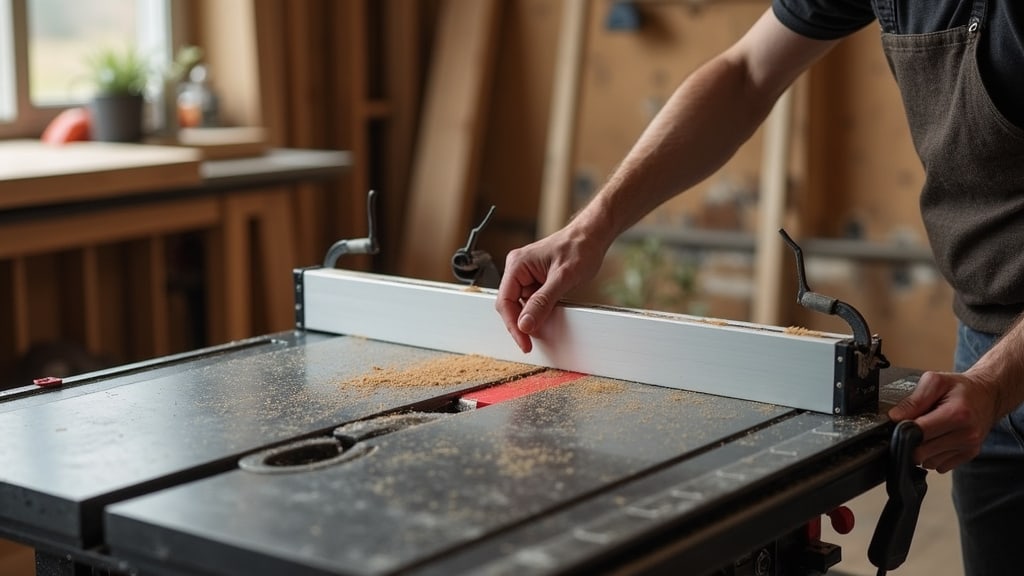
The cost of a table saw can range from $100 for basic models to over $2,000 for professional-grade machines. Your budget will depend heavily on the type of saw and the features you need for your woodworking projects.
Understanding table saw pricing means looking beyond just the sticker shock. We found that price often reflects power, precision, and durability. Entry-level saws are great for DIYers, while serious woodworkers may need a more robust investment for consistent, high-quality results.
- Table saws can cost anywhere from $100 to $2,000+.
- Price depends on the saw’s type (benchtop, contractor, hybrid, cabinet).
- Higher prices usually mean more power and better build quality.
- Consider your project needs and frequency of use when budgeting.
Let’s break down the different table saw costs and what each price point really buys you, so you can make the best choice for your workshop.
Understanding Table Saw Pricing: What Your Money Buys
Deciding how much to spend on a table saw can feel a bit overwhelming at first. You might see prices from under $100 all the way up to $2,000 and beyond. This wide range isn’t just about a fancy brand name. We found that the price tag usually tells a story about the saw’s power, precision, and how long it’s built to last.
Think of it like buying a car. A basic sedan gets you from point A to point B. A high-performance sports car does that, but with much more speed and capability. Table saws are similar. A cheaper model might handle light DIY tasks. A pricier one is engineered for heavy use and repeatable accuracy.
Your budget will really depend on what you plan to do with the saw. Are you just cutting a few pieces of plywood for a shelf once a year? Or are you planning to build furniture regularly, making precise cuts every time? We’ve looked into what different price points offer, so you can get the most bang for your buck.
Entry-Level Table Saws: Great for Beginners and Hobbyists
When you’re just starting out or don’t need a table saw for daily professional work, entry-level models are often the way to go. These are typically the most affordable options you’ll find. We’ve seen prices for these start around $100 to $400.
What You Get for Around $100-$250
At the very bottom of the price spectrum, you’ll find basic benchtop or jobsite saws. These are usually lightweight and portable. They’re designed for occasional use and smaller projects. Think simple shelving, small craft projects, or quick repairs around the house.
You’ll typically get a motor that’s powerful enough for softwoods and thin hardwoods. The rip fence might not be the most precise. Adjustments might require a bit more fiddling. Dust collection can also be minimal. For light DIY, though, they can certainly get the job done.
What You Get for $250-$400
Stepping up a bit in this range, you’ll notice some improvements. The motors might be slightly more powerful. You might find better stability and a more robust build. Some models in this bracket could offer a slightly better rip fence system, making it easier to set for consistent cuts.
These saws are still portable but might feel a bit sturdier. They can handle a wider variety of tasks than the cheapest models. You’re starting to see saws that are more forgiving for a beginner. They offer a good balance between cost and capability for the average homeowner.
Mid-Range Table Saws: For the Serious DIYer and Enthusiast
If you find yourself using a table saw more often, or your projects demand more precision, you’ll likely want to look at mid-range options. These saws usually fall into the $400 to $800 price range. They represent a significant step up in performance and durability.
Contractor Saws: A Popular Choice
Contractor saws are a classic in this price bracket. They offer a good blend of power, portability (though less so than benchtop models), and accuracy. Many experts say these are a sweet spot for serious hobbyists.
These saws typically have more powerful motors than benchtop saws, often around 1.5 to 2 horsepower. They tend to have a sturdier cast-iron base, which helps reduce vibration and makes for smoother cuts. The rip fences are usually more robust and easier to adjust accurately.
Improved Features and Performance
In this price range, you’ll also find better blade height and bevel adjustments. Many mid-range saws come with better dust collection systems, which is a big plus for your workshop environment. They are designed for longer run times without overheating.
You can expect these saws to handle harder woods with more ease. The overall build quality is better, meaning they will likely last longer. If you’re building furniture, making dados, or doing a lot of cabinetry work, these saws are built to handle it.
High-End Table Saws: Professional Power and Precision
For those who demand the absolute best in performance, durability, and precision, high-end table saws are the way to go. These models can range from $800 to well over $2,000. They are built for heavy, daily use in professional shops.
Hybrid Table Saws: A Bridge to Professional Performance
Hybrid saws often sit at the lower end of the high-end spectrum, typically from $800 to $1,200. They borrow features from contractor saws but offer a more enclosed cabinet and often more power. They are a great choice for those who need professional capabilities but don’t necessarily need a full cabinet saw.
Hybrid saws usually come with powerful 2-3 horsepower motors. Their cabinet design improves dust collection and stability. You’ll find highly accurate fence systems and smoother trunnion mechanisms for better blade control. Many woodworkers find these to be an excellent balance of features and cost for serious workshops.
Cabinet Table Saws: The Pinnacle of Performance
At the top end, generally $1,500 and up, you’ll find cabinet table saws. These are the workhorses of professional woodworking shops. They are designed for maximum power, stability, and precision, with virtually no compromises.
Cabinet saws feature heavy-duty cast-iron construction, often weighing over 400-500 pounds. This immense weight eliminates almost all vibration. They typically have powerful 3-5 horsepower motors (or even more), allowing them to cut through the densest hardwoods effortlessly. The trunnions (the mechanism that moves the blade up, down, and tilts) are usually heavy-duty and provide extremely precise adjustments.
The rip fences on cabinet saws are typically the most accurate and robust. They provide excellent support and maintain alignment for very wide cuts. Dust collection is usually top-notch, making your workshop a much cleaner and safer place. If you need unwavering accuracy and durability for demanding tasks, a cabinet saw is the ultimate tool.
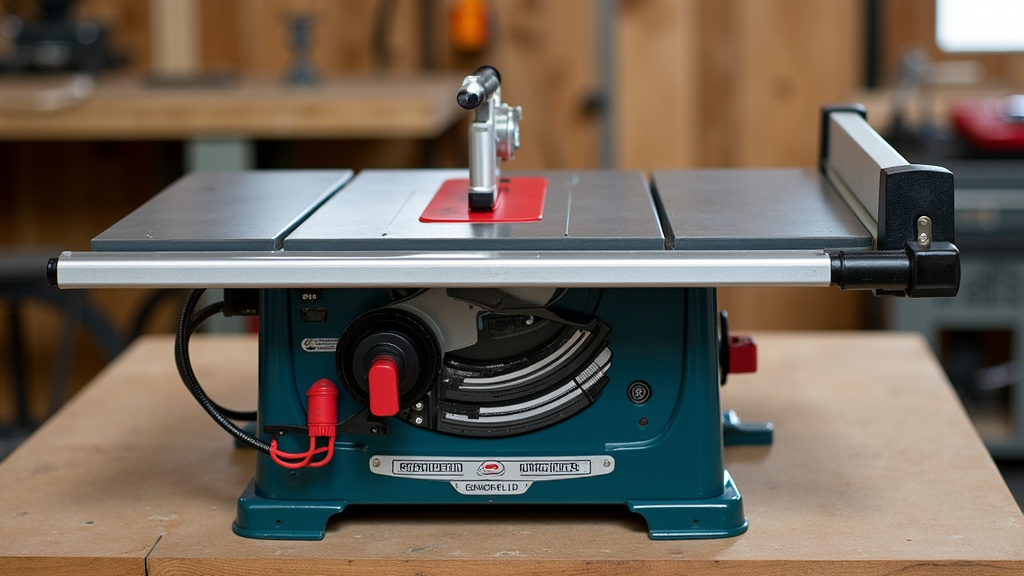
Factors That Influence Table Saw Costs
Beyond the basic type of saw, several other factors contribute to the final price tag. Understanding these can help you decide where to invest your money for the best results.
Motor Power and Type
A more powerful motor means the saw can handle thicker materials and harder woods without bogging down. Saws with 1.5 HP motors are common in benchtop models. Contractor saws might have 2 HP. Cabinet saws often boast 3 HP or more. We found that higher horsepower generally translates to better performance for demanding cuts.
Motor type also matters. Universal motors are common in smaller, lighter saws and can be loud. Industrial cabinet saws often use heavier, more durable induction motors that run quieter and cooler.
Build Materials and Stability
The materials used to construct the saw significantly impact its price and performance. Cast iron is heavier and more stable than stamped steel. A heavier saw vibrates less, leading to smoother, cleaner cuts and less fatigue on the machine. We’ve seen that saws with substantial cast-iron components tend to cost more but offer superior results.
The cabinet design and stand also contribute. A sturdy, well-built stand prevents wobbling. A fully enclosed cabinet, common on hybrid and cabinet saws, helps with dust collection and adds to the overall stability.
Fence System Accuracy and Durability
The rip fence is your guide for cutting parallel to the blade. A high-quality fence system is crucial for accuracy. Many saws in the $100-$400 range have basic fences that can be a bit finicky. As you move up in price, you’ll find more advanced systems, like Biesemeyer-style fences, which are known for their precision and ease of use.
These fences glide smoothly along a steel rail and lock firmly in place, ensuring consistent width for repeated cuts. This feature alone can justify the higher cost for many woodworkers.
Features and Accessories
Additional features can add to the cost. Things like:
- Table extensions for larger workpieces.
- Dado blade compatibility for cutting grooves.
- Riving knives or blade guards for safety.
- Upgraded miter gauges for angled crosscuts.
- Better dust collection ports.
We found that saws with more built-in conveniences and safety features often come with a higher price tag. However, these can save you time and effort in the long run.
Making Your Budget Work for You: A Checklist
So, how do you pick the right saw for your budget and needs? Here’s a quick checklist to help guide your decision:
- Assess Your Project Needs: What will you be cutting? How often?
- Consider Your Space: Do you need portability or a permanent fixture?
- Prioritize Key Features: What’s most important – power, precision, or portability?
- Research Specific Models: Read reviews and compare features within your budget.
- Factor in Accessories: Will you need extra blades or a mobile base?
- Don’t Be Afraid to Buy Used (with caution): Sometimes, a well-maintained used saw offers great value.
Conclusion
Choosing a table saw is about matching your needs with the right investment. We’ve seen that costs range widely, from basic models for occasional DIYers around $100 to professional cabinet saws exceeding $2,000. Your budget should align with the power, precision, and durability you require. Consider how often you’ll use the saw and the types of materials you’ll cut.
Ultimately, a well-chosen table saw is a tool that will serve you reliably for years. Take your time, assess your projects, and pick the saw that best fits your workshop and your woodworking goals.
Frequently Asked Questions
What’s the absolute cheapest table saw I can buy?
You can find very basic benchtop table saws starting around $100. These are typically lightweight and best suited for small, infrequent DIY tasks and cutting thinner materials. They offer entry into table saw use but come with limitations in power and precision.
Is a contractor saw worth the upgrade from a benchtop model?
Yes, for serious DIYers and hobbyists, a contractor saw is often a worthwhile upgrade. We found they offer more power, better stability with cast-iron components, and a more accurate fence system than most benchtop models. This means smoother cuts and greater precision for more demanding projects.
What makes cabinet table saws so expensive?
Cabinet saws are pricier because they are built for heavy-duty, professional use. They feature incredibly robust cast-iron construction for maximum stability, powerful motors (3 HP or more), and top-tier fence systems for unwavering accuracy. Their build quality means they can handle constant, demanding work.
Do I need a dado blade insert for my table saw?
You only need a dado blade insert if your table saw model is designed to accept one. Not all saws can accommodate dado blades, which are used for cutting wide grooves. Check your saw’s specifications or manual to see if it supports dado inserts and what size it can handle.
Can I get good results from a used table saw?
Absolutely, buying a used table saw can offer excellent value. We’ve found that well-maintained contractor or hybrid saws can perform just as well as new models but at a lower cost. Always inspect a used saw carefully for damage, excessive wear, and ensure the fence and blade adjustments are smooth and accurate before purchasing.