What Amperage Table Saw Do I Need? The Plain Truth
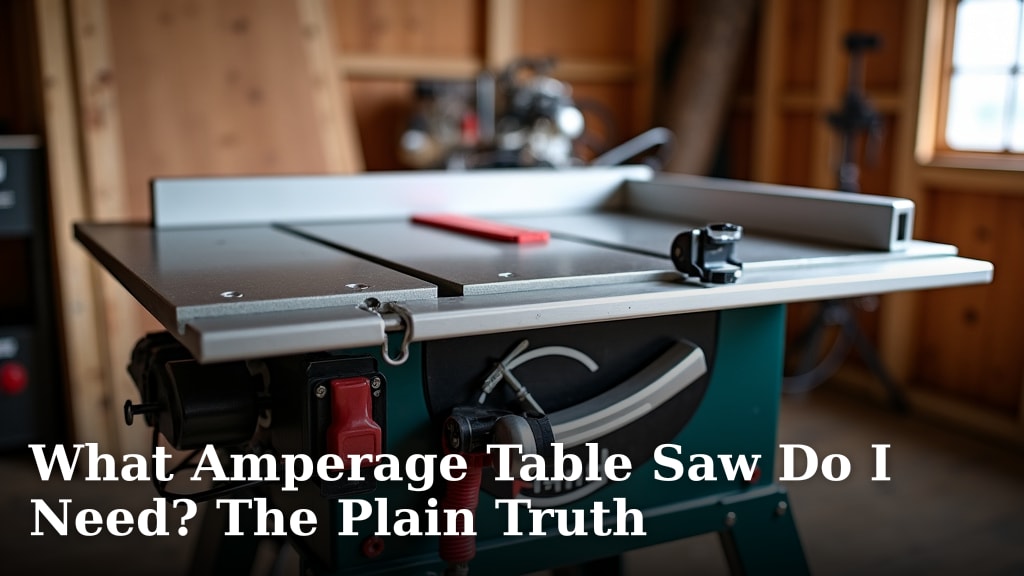
The amperage for your table saw really depends on what you plan to cut. For most DIYers and hobbyists, a 15-amp table saw is more than enough power for common woodworking tasks. If you’re a professional or often cut dense hardwoods, you might need a 20-amp model for consistent performance.
Choosing the right amperage impacts how smoothly your saw handles tough materials. You don’t want a saw that bogs down when you’re making a critical cut. Understanding the ampere rating helps you avoid frustration and get the best results from your tool.
- 15 amps: Great for most home shop needs.
- 20 amps: Better for frequent heavy-duty cutting.
- Check your home’s circuit breaker capacity.
- Match the saw to your typical woodworking projects.
Let’s break down what amperage really means for your table saw and how to pick the perfect one for your workshop.
Choosing the Right Amperage for Your Table Saw
The amperage of a table saw is like the horsepower of a car. It tells you how much electrical power the motor can draw. This directly affects how much work it can do. A higher amperage means more power. This helps the saw cut through tough materials without slowing down. You’ll want to match the saw’s amperage to the types of wood and cuts you typically make.
Understanding Amperage and Your Home Circuits
Before you even look at table saws, it’s wise to check your workshop’s electrical setup. Most standard home outlets run on a 15-amp circuit breaker. This means that circuit can safely handle up to 15 amps of power. If you plug in a tool that draws more than that, or if you have other devices running on the same circuit, the breaker will trip. This stops the power to prevent overheating or a fire.
Some workshops or garages might have 20-amp circuits. These are often marked with a different style of outlet. They can handle more power. Knowing what you have available will guide your saw choice. You don’t want to buy a powerful saw only to find out your home’s wiring can’t support it. This is a common mistake for beginners.
What Happens When You Exceed Your Circuit’s Capacity?
When your table saw, or any tool, tries to draw more amperage than the circuit breaker allows, the breaker acts like a safety valve. It “trips”, cutting off the electricity. This is its job. It protects your wiring from getting too hot. A tripped breaker means your saw stops dead in its tracks. This can be frustrating, especially in the middle of a cut.
Repeatedly tripping a breaker can also be a sign that your home’s electrical system is undersized for your tools. It might mean you need to upgrade your wiring or dedicate circuits for your shop tools. For most DIY projects, you can avoid this by matching your saw’s needs to your existing circuits.
Amperage Needs for Different Woodworking Tasks
The type of wood you cut is a big factor. Softer woods like pine or poplar are easier to cut. Hardwoods such as oak, maple, or walnut require more power. They are denser and resist the blade more.
Your cutting technique also matters. Ripping long boards or cutting thick stock will demand more from your saw than cross-cutting thin pieces. Think about the thickness and hardness of the materials you’ll be working with most often.
What 15 Amps Can Do for You
A 15-amp table saw is the most common type you’ll find. These are typically contractor saws or benchtop models. For most home shop users, a 15-amp saw is perfectly adequate. You can cut through 1-inch or 2-inch dimensional lumber with ease. Cutting 8/4 (two-inch thick) oak might be a struggle, though.
These saws are great for building furniture, making jigs, or general DIY projects. They usually plug into a standard 120-volt outlet. Many of these saws are also portable, making them easy to move around your garage or take to a job site. They offer a good balance of power and convenience for the average woodworker.
When a 20 Amp Table Saw Might Be Better
If you find yourself frequently cutting hardwoods that are 1.5 inches thick or more, you might consider a 20-amp saw. These saws often have more powerful motors. They can maintain a consistent cutting speed even when the going gets tough. A 20-amp saw is usually a 240-volt tool, meaning it requires a dedicated 20-amp circuit. Some models might come with a cord that plugs into a standard 120-volt outlet but can be rewired for 240 volts.
Professional woodworkers or those who cut a lot of dense wood might prefer a 20-amp saw. It provides that extra oomph needed for demanding tasks. This can lead to cleaner cuts and less stress on the motor. You’ll also find that 20-amp saws are often larger and heavier, offering more stability. But remember, you’ll need the right electrical setup for it.
Do You Need a 240-Volt Outlet?
Most 20-amp table saws are designed to run on 240 volts. This is a different type of power than your standard household outlets. Running 240 volts requires a dedicated circuit and a special outlet. If your workshop doesn’t already have one, you’ll need to have an electrician install it. This adds to the overall cost of owning a 20-amp saw.
Some manufacturers offer 20-amp saws that can run on 120 volts. However, they might not perform at their full potential on lower voltage. Always check the saw’s specifications carefully. Make sure your home’s electrical system can support the saw’s requirements. It’s better to be safe than to risk tripping breakers or damaging your tools.
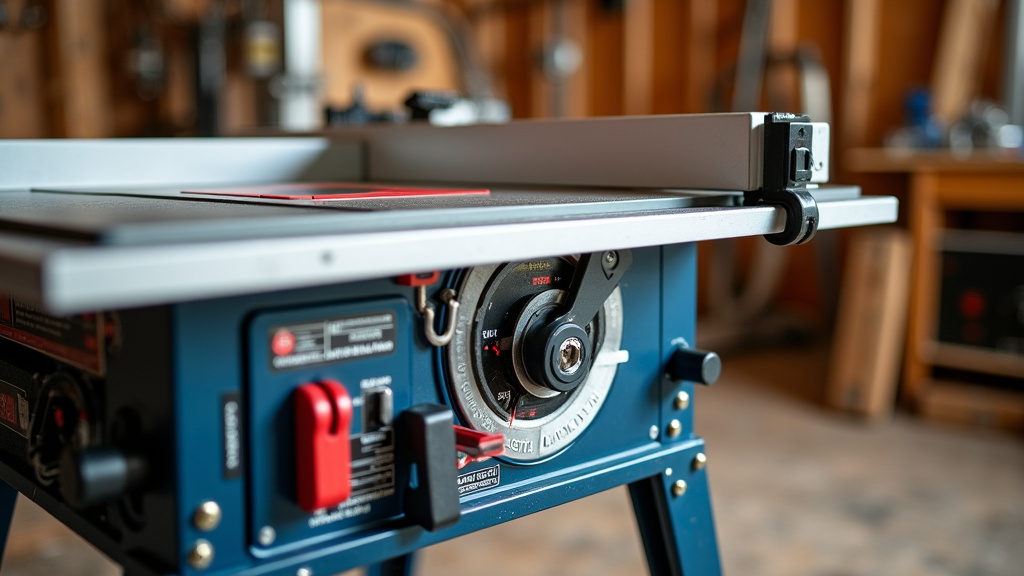
Table Saw Amperage: A Quick Comparison
Here’s a simple way to think about the difference:
| Amperage | Typical Use | Power Output | Electrical Needs | Best For |
|---|---|---|---|---|
| 15 Amps | Light to moderate woodworking | Standard power | Standard 120V outlet (15A circuit) | Home DIYers, hobbyists, occasional use |
| 20 Amps | Heavy-duty, dense hardwoods | Higher power output | 240V outlet (20A circuit recommended) or rewirable 120V | Professionals, frequent hardwood cutting, demanding tasks |
Matching Your Saw to Your Projects: A Checklist
To help you decide, ask yourself these questions:
- What types of wood do you cut most often?
- How thick is the wood you typically use?
- How frequently will you be using the table saw?
- What kind of electrical circuits do you have in your workshop?
- Are you willing to have an electrician install new circuits if needed?
- What is your budget for the saw and any necessary electrical upgrades?
By considering these points, you can make a smart choice. You’ll get a table saw that meets your needs without causing electrical headaches. It’s all about finding that sweet spot between power and practicality for your specific situation. And remember, safety first when dealing with power tools and electricity!
Conclusion
Choosing the right table saw amperage boils down to matching the tool to your woodworking. For most home projects, a 15-amp saw plugged into a standard outlet is perfectly capable. If you regularly tackle thick hardwoods or need extra power for demanding cuts, a 20-amp model might be a better fit, but be prepared for potential electrical upgrades. Think about your typical projects, the wood you use, and your workshop’s wiring before you buy. This thoughtful approach ensures you get a saw that performs well and avoids frustrating electrical issues. Your next step is to assess your current electrical setup and then confidently select the table saw that best suits your woodworking needs.
Frequently Asked Questions
Can I use a 20-amp table saw on a regular 15-amp household circuit?
You can technically plug a 20-amp saw into a 15-amp outlet, but it’s not recommended. The saw might not perform at its full potential, and you’ll likely trip the breaker frequently, especially during tough cuts. Always check your saw’s manual and your home’s circuit capacity to ensure compatibility.
Will a 15-amp table saw bog down on thicker wood?
A 15-amp saw can handle common lumber thicknesses like 1-inch or 2-inch dimensional wood. However, it might struggle and slow down on very dense hardwoods that are 1.5 inches thick or more, or when making long, continuous rips. For those tasks, a 20-amp saw offers more consistent power.
Do I need to hire an electrician to get a 20-amp table saw?
You will likely need an electrician if your 20-amp table saw requires a 240-volt outlet and your workshop doesn’t have one. Some 20-amp saws can be rewired for 120 volts, but this still might require a dedicated 20-amp circuit to avoid tripping breakers. Consult the saw’s specifications and an electrician.
What’s the difference in motor power between 15-amp and 20-amp saws?
Generally, a 20-amp table saw has a more powerful motor than a 15-amp model. This higher amperage allows the motor to draw more electrical energy, translating to increased torque and sustained speed when cutting through denser materials. It’s about having that extra reserve power.
How can I tell if my workshop has 15-amp or 20-amp circuits?
You can often tell by looking at your electrical panel’s circuit breakers; 15-amp breakers are usually standard-sized, while 20-amp breakers might be slightly larger or colored differently. The outlets themselves can also be a clue: 15-amp outlets typically have two vertical slots, while 20-amp outlets often have one slot that is L-shaped.