What Is a Crosscut Blade? Plain and Simple
A crosscut blade is a type of saw blade designed to cut wood across the grain. It features teeth specifically angled to slice through wood fibers. This makes it ideal for tasks like trimming lumber or making precise cuts on boards. Think of it as your go-to for clean, smooth finishes when you’re working against the wood’s natural direction.
While other blades might rip through wood along the grain, a crosscut blade excels at making shorter, cleaner cuts. This distinction is important for woodworking projects where accuracy and appearance matter. You’ll find these blades on everything from handsaws to circular saws and miter saws, proving their versatile usefulness.
- A crosscut blade cuts wood across the grain.
- Its teeth are angled for slicing, not ripping.
- It provides clean and smooth finishes on cuts.
- Commonly used for trimming and precise cuts.
- Found on various saw types for different projects.
Let’s break down exactly what makes a crosscut blade so effective and when you should reach for one in your toolbox.
Understanding the Power of a Crosscut Saw Blade
So, what exactly makes a crosscut blade special? It all comes down to its unique tooth design. These teeth are shaped and angled specifically to slice through wood fibers. This is different from a blade designed to cut along the grain. Think of it like slicing a tomato versus tearing it. You want a clean slice across the grain for the best results.
The Anatomy of a Crosscut Tooth
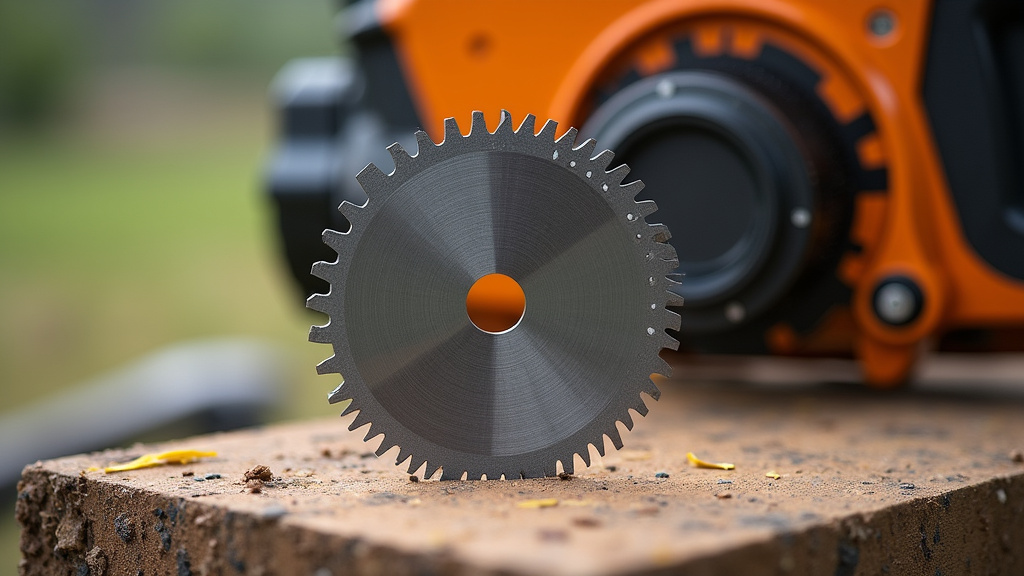
When you look at a crosscut blade up close, you’ll notice its teeth. They usually have a “hook” or “raking” angle. This angle points slightly forward, away from the user. This forward tilt helps the teeth bite into the wood cleanly. It allows them to shear through the wood fibers rather than rip them apart.
The angle of these teeth is key. A typical crosscut blade might have a tooth angle between 10 and 20 degrees. This positive hook angle helps the blade cut with less effort. It also leaves a smoother finish on the wood surface. We found that this design is optimized for efficiency and finish quality.
Crosscut vs. Ripping Blades: What’s the Difference?
You might be wondering why you need a specific blade for cutting across the grain. Blades are designed for different tasks. A ripping blade, for instance, has teeth that are straighter and sharper. They are designed to cut along the wood grain, like splitting logs. These teeth are more like chisels, driving straight down the grain.
A crosscut blade, on the other hand, has teeth that are angled to slice. Imagine a chef’s knife versus a bread knife. The chef’s knife is for precise slicing, while the bread knife has teeth for sawing through crusty bread. A crosscut blade is like that chef’s knife for wood. It provides a cleaner cut when you’re going against the grain.
Tooth Count Matters
The number of teeth on a blade also plays a role. Generally, crosscut blades have a higher tooth count than ripping blades. A higher tooth count means more teeth are engaging the wood at any given time. This results in a finer, smoother cut. For delicate projects or when appearance is critical, more teeth are usually better.
A blade with fewer teeth has larger gullets (the space between teeth). These gullets help clear out sawdust quickly. This is great for aggressive ripping, but not for clean crosscuts. Many woodworking experts suggest a tooth count between 60 and 80 for good crosscutting results on a circular saw (Fine Woodworking).
When Should You Use a Crosscut Blade?
Knowing when to use the right blade can save you a lot of frustration. Crosscut blades are your best friend for several common woodworking tasks. They excel when you need a precise and clean edge.
Trimming Lumber to Length
One of the most common uses for a crosscut blade is trimming lumber. When you buy a piece of plywood or a 2×4, it’s rarely the exact size you need. You’ll use a crosscut blade to make those exact length cuts. This is true whether you’re building a shelf or framing a wall.
For example, if you’re building a simple bookcase, you’ll need to cut several shelves to specific widths. A crosscut blade will give you a nice, square edge on each piece. This ensures your shelves fit snugly. You won’t have gaps from a rough or splintered cut.
Making Precise Cuts on Boards
Beyond just length, you might need to make very accurate cuts. This could be for decorative trim or joining pieces together. A good crosscut blade will produce a smooth surface. This means less sanding is needed afterward. You’ll get a professional-looking finish without extra work.
Think about installing trim around a window. You need clean, sharp corners. A dull or inappropriate blade will leave jagged edges. This makes the trim look unprofessional. Using a sharp crosscut blade makes a huge difference.
Working with Plywood and Melamine
Plywood and melamine can be tricky. They tend to chip or splinter easily when cut. A sharp crosscut blade with a high tooth count is ideal here. The small, sharp teeth slice through the veneer cleanly. This minimizes chipping on the surface. We found that blades designed specifically for these materials often have even more teeth.
For sheet goods like plywood, using a fine-tooth crosscut blade is a must. It helps to mask the layers of wood and glue. This results in a much cleaner cut line. Many sources recommend using a plywood-specific blade for the best results (Wood Magazine).
Types of Saws That Use Crosscut Blades
You’ll find crosscut blades used across a variety of saws. The type of saw you have often dictates the blade you’ll use for crosscutting.
Hand Saws
The classic handsaw is a perfect example. Many traditional handsaws are designed primarily for crosscutting. They have teeth that are angled for slicing. You use them for smaller projects or when power isn’t an option. They require a bit more elbow grease but offer great control.
Circular Saws
Portable circular saws almost always come with a general-purpose blade. However, for the best results when crosscutting, you’ll want to swap it out. A dedicated A jobsite table saw is a portable option for making these cuts, and understanding their capabilities is key.60-tooth or 80-tooth crosscut blade will drastically improve your cuts. You’ll notice less tear-out, especially on plywood.
Miter Saws and Chop Saws
These saws are *built* for crosscutting. Their primary function is making accurate angle and straight cuts across lumber. Most miter saws come with a decent blade, but upgrading to a high-quality crosscut blade is highly recommended. This is where you get those perfectly square cuts for trim work.
Table Saws
While table saws can do both ripping and crosscutting, a dedicated crosscut sled is often used. However, you can also use a crosscut blade in your table saw’s main arbor. Just be mindful of the material you’re cutting and the blade’s tooth count.
Choosing the Right Crosscut Blade for Your Needs
With so many options, how do you pick the best blade? It depends on your saw and the materials you work with.
Consider Your Saw Type
First, make sure the blade fits your saw. Check the arbor size (the hole in the center) and the blade diameter. A 10-inch blade for a miter saw won’t fit a 7 ¼-inch circular saw. Your saw’s manual will tell you the correct sizes.
Tooth Count and Material
As we’ve discussed, a higher tooth count is generally better for crosscutting. For hardwoods, a blade with around 60-80 teeth works well. For softer woods or general use, you might get by with slightly fewer. For plywood and melamine, aim for 80 teeth or more.
Many blade manufacturers offer specialized blades. Some are labeled “plywood blades” or “fine finish blades.” These are essentially optimized crosscut blades. They often feature more teeth and specific grind angles on the teeth.
Blade Material and Coatings
Blades are typically made of steel. Some higher-end blades use carbide-tipped teeth. These tips are much harder than steel. They stay sharp longer and can handle harder materials. Many blades also have coatings. These can reduce heat and friction, making the cut smoother and extending blade life.
While an expensive blade isn’t always necessary, investing in a decent quality carbide-tipped crosscut blade can pay off. It will make your cuts cleaner and the blade will last longer. You’ll save time on sanding too.
Maintaining Your Crosscut Blade
A sharp blade is a safe blade. Even the best crosscut blade will become dull over time. You’ll notice increased effort needed to cut. You might also see more splintering or burning on the wood.
Sharpening and Replacement
You can have blades professionally sharpened. Or, for some DIYers, sharpening them yourself is an option. However, many professionals find it more cost-effective to replace dull blades. Especially with carbide-tipped blades, the cost of professional sharpening can approach the cost of a new blade.
When your blade starts to perform poorly, it’s time to consider replacing it. A new, sharp crosscut blade will make your projects easier and the results much better. Look for reviews and recommendations for your specific saw type.
Keeping Blades Clean
Sawdust and resin can build up on your blades. This can affect cutting performance. You can clean blades with specific solvents or even oven cleaner. Always do this in a well-ventilated area and wear gloves. A clean blade cuts more efficiently.
Checklist for Choosing and Using Crosscut Blades:
- Verify blade diameter and arbor size for your saw.
- Select a higher tooth count for smoother finishes (60+ teeth).
- Choose specialized blades for plywood or melamine.
- Opt for carbide-tipped blades for durability and sharpness.
- Replace dull blades; they make work harder and less precise.
- Keep your blades clean for optimal performance.
Conclusion
You’ve learned that a crosscut blade is essential for achieving clean, precise cuts across the grain of wood. Its specialized tooth design slices through fibers, minimizing tear-out and reducing the need for extra sanding. Whether you’re trimming lumber to length, making detailed cuts, or working with tricky materials like plywood, the right crosscut blade makes all the difference. By understanding tooth count, blade material, and proper maintenance, you can ensure your projects look professional. Now, take a look at your current saw blades and consider if an upgrade to a dedicated crosscut blade will improve your woodworking results.
Frequently Asked Questions
Can I use a crosscut blade for ripping wood along the grain?
While you technically can, it’s not recommended. A crosscut blade is designed to slice, not to efficiently remove large amounts of wood along the grain. Using it for ripping will be slow, difficult, and can lead to a rougher cut. It’s best to use a blade specifically designed for ripping tasks.
What is “tear-out” and how does a crosscut blade help prevent it?
Tear-out is when wood fibers splinter and pull away from the cut line, creating a ragged edge. A crosscut blade’s teeth are angled to slice cleanly through these fibers. Combined with a higher tooth count, this slicing action minimizes the chance of fibers being pulled out, resulting in a much smoother finish.
How many teeth should a crosscut blade have?
For general crosscutting, a blade with 60 to 80 teeth is often ideal for achieving a smooth finish. For materials like plywood or melamine that are prone to chipping, you’ll want an even higher tooth count, sometimes 80 teeth or more. Fewer teeth are typically used for ripping.
Do I really need a special blade for plywood?
Yes, it’s highly recommended. Plywood has layers of veneer and glue that can easily chip when cut. A fine-tooth crosscut blade, often specifically labeled as a “plywood blade,” uses more teeth to slice through these layers cleanly. This greatly reduces chipping and gives you a much nicer edge.
How often should I sharpen or replace my crosscut blade?
You’ll know it’s time when you notice more effort is needed to cut, or if you start seeing splintering and burning marks on your wood. While blades can be sharpened, it’s often more cost-effective, especially for carbide-tipped blades, to replace them when they become dull. A sharp blade is safer and yields better results.