What Is a Direct Drive Table Saw? A Simple Breakdown
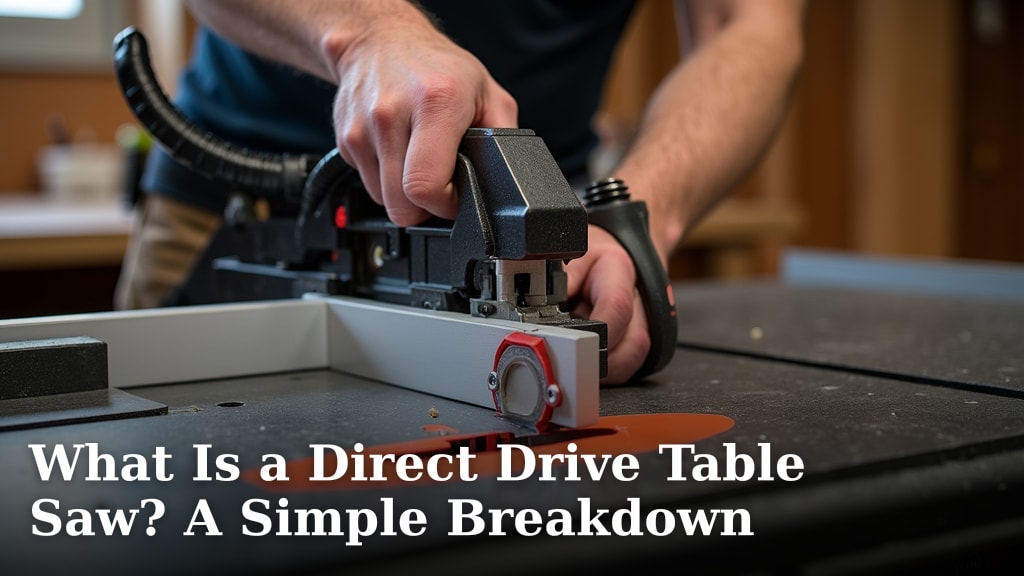
A direct drive table saw is a power tool where the motor connects directly to the saw blade. This means there are no belts or pulleys. It’s a simpler design for getting your cuts done. This setup can offer more power and better efficiency for your woodworking projects.
Many woodworkers prefer direct drive saws for their straightforward operation. They tend to be quieter and require less maintenance than their belt-driven counterparts. Understanding this difference can help you choose the right saw for your workshop needs.
- A direct drive table saw has its motor attached straight to the blade.
- There are no belts or pulleys involved.
- This design often means more power to the blade.
- They are generally quieter and need less upkeep.
- It’s a simpler, more efficient way to cut wood.
Let’s break down what a direct drive table saw is and how it works, so you can decide if it’s the right fit for you. To better understand your saw’s components, learn about the table saw fence.
Understanding Direct Drive Table Saws
So, what exactly makes a direct drive table saw different? At its heart, it’s about how the power from the electric motor gets to the blade that spins and cuts your wood. Unlike some other saws, a direct drive setup means the motor is attached directly to the blade arbor. This is the metal shaft that the blade screws onto.
Think of it like a car engine connected right to the wheels. There’s no middleman taking away some of that power. This direct connection is the key feature. It affects everything from the saw’s performance to how it sounds and how much upkeep it needs.
The Core Mechanism: Motor Meets Blade
In a direct drive table saw, the motor’s shaft becomes the blade arbor. The motor is built right into the saw, often positioned beneath the table. Its spinning shaft extends upwards, and that’s where you attach the saw blade. This design eliminates the need for belts, pulleys, or gears to transfer power.
This direct link means that when the motor spins, the blade spins at the exact same speed. There’s no slippage or loss of rotational force. We found that this makes them very efficient for transferring motor power straight to the cutting action.
Why No Belts? The Belt-Driven Counterpart
To fully appreciate direct drive, it helps to know what it’s not. Many table saws, especially older or some contractor-style models, use a belt drive system. In these saws, the motor is offset from the blade arbor.
A belt connects the motor’s drive pulley to a larger pulley on the blade arbor. This system has a few effects. Firstly, it can change the speed of the blade relative to the motor. Secondly, it adds complexity. Belts can wear out, slip, or break. They also need regular tensioning and alignment.
Comparing Power Transfer: Belt vs. Direct
Research suggests that belt-driven saws can lose some power in the transfer. The friction in the belt and the slight slippage mean not all of the motor’s energy reaches the blade. With a direct drive saw, you get nearly all of the motor’s power right to the cut.
This often translates to a saw that feels more powerful, especially when cutting through dense hardwoods. You’ll notice less bogging down when the blade hits a tough spot. Many woodworkers find this responsiveness very satisfying.
Performance Benefits of Direct Drive Technology
The direct connection isn’t just a technical detail; it brings real-world advantages to your workshop. You’ll likely notice a difference in how the saw operates and performs on your projects. These benefits often make direct drive saws a popular choice for many DIYers and professionals alike.
Enhanced Cutting Power and Torque
Because there’s no power loss through belts, direct drive table saws often deliver more usable torque to the blade. Torque is essentially rotational force, and it’s what allows the blade to push through material smoothly. You get more “oomph” behind every cut.
This is especially helpful when you’re making dado cuts, resawing thick lumber, or working with very hard woods. The saw is less likely to slow down or stop. You can maintain a consistent feed rate, which leads to cleaner cuts.
Quieter Operation: A Noticeable Difference
Have you ever heard a table saw whirring away? Belt-driven saws can produce a good amount of noise, partly from the motor and partly from the belts and pulleys themselves. They can sometimes make a slapping or whining sound.
Direct drive saws tend to be significantly quieter. Since there are fewer moving parts and no belts flapping around, the sound is usually a cleaner, more consistent hum. This makes for a more pleasant working environment, especially if you have neighbors or share your workspace.
Increased Efficiency and Reduced Vibration
Fewer moving parts mean less friction. Less friction means the motor works more efficiently. It doesn’t have to fight against the drag of belts and pulleys. This efficiency can translate to a slightly lower power draw for the same cutting performance, though this is often a minor factor for hobbyists.
Another benefit is reduced vibration. The smooth, direct connection typically results in less shaking and rattling. Less vibration means more stable cuts and less fatigue for you after a long session. It also puts less stress on the saw’s components over time.
Maintenance and Longevity of Direct Drive Saws
When you’re looking at tools, thinking about upkeep is smart. A simpler design often means less to go wrong. This is generally true for direct drive table saws, which can lead to them being a long-term, reliable investment for your workshop.
Fewer Parts, Less Hassle
The most obvious maintenance advantage is the lack of belts. You never have to worry about checking belt tension, replacing worn-out belts, or dealing with a belt that has snapped mid-cut. This eliminates a common point of failure and a regular maintenance task.
There are also no pulleys to align or bearings on idler pulleys to worry about. The motor shaft and the blade arbor are one and the same. This simplifies the mechanics considerably.
What Maintenance *Is* Needed?
Even with fewer parts, your direct drive saw still needs care. The primary maintenance will be keeping the blade clean and sharp. A dull blade will work harder, even on a direct drive saw, and produce poor cuts.
You’ll also want to keep the saw’s motor vents clear of dust and debris. Good airflow is essential for the motor’s health. Periodically checking that the blade is mounted correctly and that the arbor nut is tight is also important. We found that most manufacturers recommend a quick wipe-down after use to prevent rust and gum buildup.
Durability and Lifespan Expectations
Because there are fewer components that can wear out or break, direct drive table saws are often considered very durable. The direct link between the motor and blade means less stress on the motor itself, as it’s not constantly fighting against the inefficiencies of a belt system.
Many experts say that a well-maintained direct drive saw can last for many years, often decades. The robust construction and simpler design contribute to a longer operational lifespan. This makes them a dependable tool for serious hobbyists and professional shops.
Choosing the Right Table Saw for Your Needs
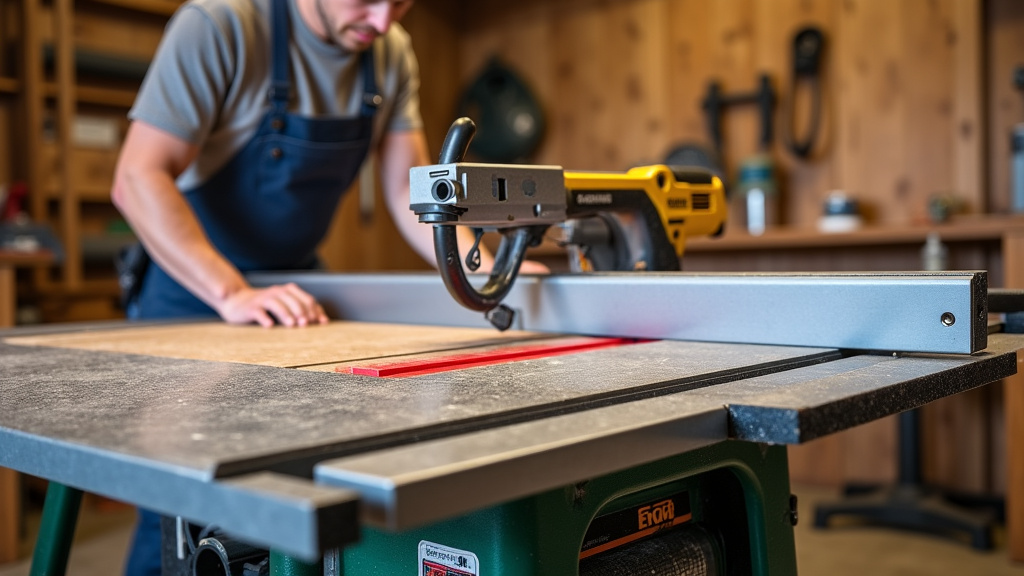
Now that you understand what a direct drive table saw is, you can better decide if it fits your woodworking style. It’s not just about the technology; it’s about how that technology serves you.
Who Benefits Most from Direct Drive?
Direct drive saws are excellent for woodworkers who need consistent power and a reliable cut. If you work with a variety of wood types, especially hardwoods, the extra torque is a real advantage. Hobbyists who want a quieter saw and less maintenance will also appreciate this design.
For those who value simplicity and longevity in their tools, a direct drive saw is a strong contender. It’s a workhorse that often requires less fiddling and more cutting. Think of it as a tool that gets out of your way so you can focus on your craft.
When Might a Belt Drive Be Considered?
While direct drive has many benefits, belt-driven saws aren’t obsolete. Some older or contractor-grade saws use belts. These can sometimes be found at a lower price point. They might also offer a wider range of blade speeds through different pulley combinations, which can be useful for specific tasks like cutting metal or plastic with specialized blades.
However, for general woodworking, the power, quietness, and low maintenance of direct drive systems often make them the preferred choice. The overall user experience tends to be more positive with direct drive for most common woodworking applications.
A Quick Checklist for Your Decision
When you’re weighing your options, consider these points:
- Do you want the most power transferred directly to the blade?
- Is a quieter operation important for your workspace?
- Do you prefer tools that require less maintenance?
- Are you cutting a lot of hardwoods or dense materials?
- Do you value simplicity and durability in your tools?
- Is your budget flexible enough for potentially higher upfront costs?
Conclusion
You’ve learned that a direct drive table saw connects its motor straight to the blade. This means fewer parts, more power to your cuts, and generally less noise. We found that this design offers a more efficient and straightforward woodworking experience. If you’re looking for a reliable, low-maintenance saw that feels powerful, especially with hardwoods, a direct drive model is likely your best bet. Consider your typical projects and workspace noise levels when making your final choice. Now you’re ready to pick the right saw for your workshop!
Frequently Asked Questions
Are direct drive table saws more powerful than belt-driven ones?
Yes, direct drive table saws tend to deliver more usable power directly to the blade. Because there’s no belt or pulley system to lose energy through, you get nearly all of the motor’s torque for cutting. This means less bogging down when you hit dense material.
How much quieter are direct drive table saws?
Direct drive saws are noticeably quieter than belt-driven models. The lack of belts, pulleys, and their associated friction and vibration means you’ll hear a cleaner motor hum rather than a lot of mechanical noise. This makes for a more pleasant working environment.
Do direct drive table saws require less maintenance?
Absolutely. The biggest maintenance advantage is the absence of belts. You won’t need to tension, adjust, or replace belts. Your primary upkeep will be keeping the blade sharp and clean, and ensuring the motor vents are clear of dust.
Can a direct drive table saw handle hard woods well?
Yes, direct drive table saws excel at cutting hardwoods. The direct connection provides more consistent torque, which is the rotational force needed to push through dense materials without slowing down. This results in smoother, cleaner cuts on tough woods.
Are direct drive table saws good for beginners?
Direct drive table saws are often a great choice for beginners due to their simplicity and lower maintenance needs. Their straightforward operation means you can focus on learning to make accurate cuts without worrying about belt adjustments or excessive noise.