What Is a Table Saw Motor? The Key Facts
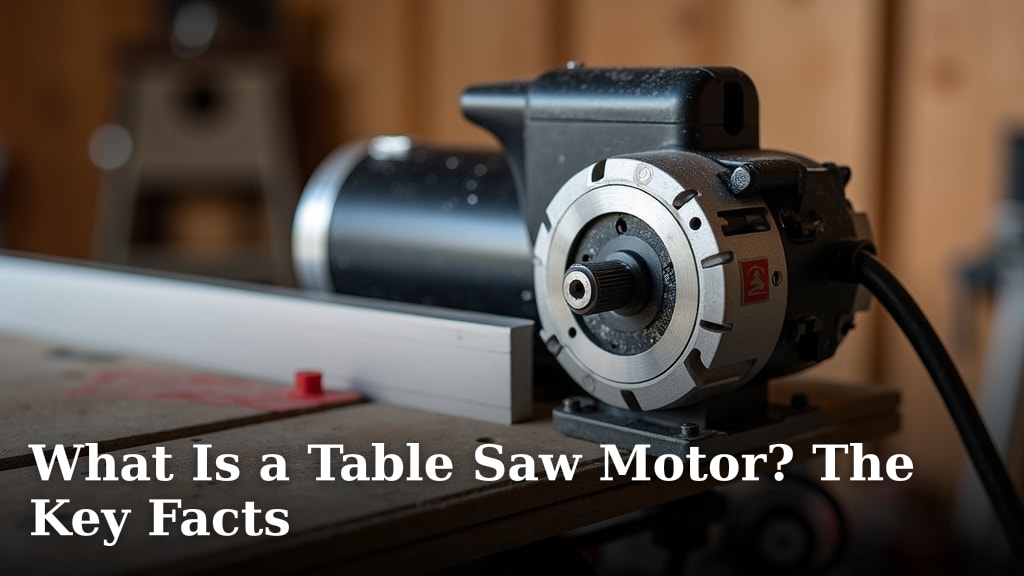
A table saw motor is the heartbeat of your saw, providing the power to cut wood. It’s an electric motor that spins the saw blade at high speeds. Think of it as the engine that makes all the cutting action happen. Without a working motor, your table saw is just a heavy piece of metal.
The motor determines how much power your saw has. This power is measured in horsepower (HP) and amperage. A stronger motor means you can cut through harder woods and make faster, cleaner cuts. Motor types also vary, impacting noise and durability.
- The table saw motor powers the blade.
- It’s rated by horsepower (HP) and amperage.
- More HP means more cutting power.
- Different motor types exist.
- It’s the core component for any cut.
We’ve gathered the key facts about table saw motors to help you understand them better. Let’s break down what you need to know.
Understanding Your Table Saw’s Powerhouse: The Motor
The table saw motor is the engine that drives your entire operation. It’s the component responsible for spinning the blade at the high speeds needed to slice through wood. Without a functioning motor, your saw is simply inert. Think of it like the heart in a human body; it keeps everything else going.
We’ll walk you through what makes these motors tick. Understanding your table saw motor is key to getting the best performance and longevity from your tool. It impacts everything from how easily you can make cuts to the overall lifespan of your saw. Let’s dive in.
How Table Saw Motors Generate Cutting Power
A table saw motor uses electricity to create rotational force. This force is transferred to the saw blade, causing it to spin rapidly. The speed at which the blade spins is measured in Revolutions Per Minute (RPM). Most table saw blades spin at around 3,000 to 5,000 RPM. This speed is essential for making clean and efficient cuts.
Horsepower (HP): The Muscle of Your Motor
Horsepower is the most common way to measure the raw power of a table saw motor. More horsepower means the motor can handle tougher jobs. It can push the blade through denser materials more easily. It also helps maintain blade speed under load.
For example, a small hobbyist saw might have a 1.5 HP motor. This is fine for cutting softer woods like pine. A contractor-grade saw could have a 2 HP or 3 HP motor. These are better suited for hardwoods like oak or maple. Industrial saws can have even more powerful motors.
We found that choosing the right HP is about matching your saw to your typical projects. Trying to cut dense hardwoods with an underpowered motor can lead to bogging down, burnt wood, and frustration. It can also put extra strain on the motor itself.
Amperage (Amps): The Electrical Demand
Amperage measures the amount of electrical current the motor draws. It’s directly related to horsepower. Higher horsepower motors typically draw more amps. You’ll often see both HP and amps listed on a saw’s specifications.
Understanding amperage is important for your workshop’s electrical setup. A saw drawing more amps might require a dedicated circuit or a heavier gauge extension cord. This ensures you don’t overload your home’s wiring. Many woodworking guides suggest checking your home’s breaker panel capacity before purchasing a high-amperage tool.
Torque: The Rotational Strength
While not always prominently displayed, torque is another critical factor. It’s the twisting force the motor can produce. Think of it as the motor’s ability to keep turning under resistance. A motor with high torque can maintain its speed even when the blade bites into a tough piece of wood.
Higher torque is especially beneficial for tasks like resawing thick lumber. This is when you cut a board lengthwise into thinner pieces. It requires sustained power. Many experienced woodworkers say torque is as important as horsepower for heavy-duty work.
Common Types of Table Saw Motors
Table saws primarily use two types of electric motors: universal motors and induction motors. Each has its own characteristics that affect performance, noise, and durability.
Universal Motors: Speedy but Noisy
You’ll find universal motors in many smaller, portable, and direct-drive table saws. These motors are known for their high RPMs and relatively low weight. They can run on both AC and DC power, though standard household power is AC.
A common trait of universal motors is their high-pitched whine. They tend to be quite noisy during operation. Because they have brushes that wear down over time, they often require more maintenance. These brushes need to be replaced periodically. We found that for casual DIYers or those with portable saws, the convenience often outweighs the noise and maintenance.
Induction Motors: Powerful and Quieter
Induction motors are the workhorses found in most contractor, cabinet, and industrial table saws. They are known for their durability, quieter operation, and smooth power delivery. Unlike universal motors, induction motors do not have brushes that wear out.
This means they generally require less maintenance and can last much longer. The downside is that induction motors are heavier and less efficient at very high RPMs compared to universal motors. However, they provide excellent torque. Many professionals prefer induction motors for their reliability and smoother cutting experience. We found that the trade-off for a slightly lower top RPM is well worth the reduction in noise and maintenance.
Direct Drive vs. Belt Drive Motors
The way the motor connects to the blade also matters. Direct-drive motors have the blade mounted directly onto the motor shaft. This design is common in smaller, portable saws. It’s simple and reduces the number of moving parts.
Belt-drive systems use a belt and pulley system to connect the motor to the blade. This is typical for heavier-duty saws with induction motors. The belt can absorb some vibration, leading to a smoother cut. It also allows the motor to run at its optimal speed while the blade spins at a different, often higher, speed. This setup also helps isolate the motor from dust and debris from the cutting operation.
Motor Placement and Its Impact
Where the motor is located on the table saw can affect its size, weight, and how dust is managed. There are a few common placements.
Underneath the Table (Cabinet and Contractor Saws)
In most larger table saws, the motor is mounted underneath the table. This placement allows for more powerful induction motors. It also contributes to a lower center of gravity, making the saw more stable. However, it can make dust collection more challenging. Sawdust can accumulate around the motor if a good dust collection system isn’t in place.
On the Rear Trunnion (Portable and Jobsite Saws)
Many portable and jobsite table saws have their motors mounted to the rear trunnion system. This system supports the blade assembly. This design keeps the motor accessible for maintenance and helps keep the overall saw footprint smaller. It’s a design choice that prioritizes portability and ease of access.
Maintenance and Longevity of Your Motor
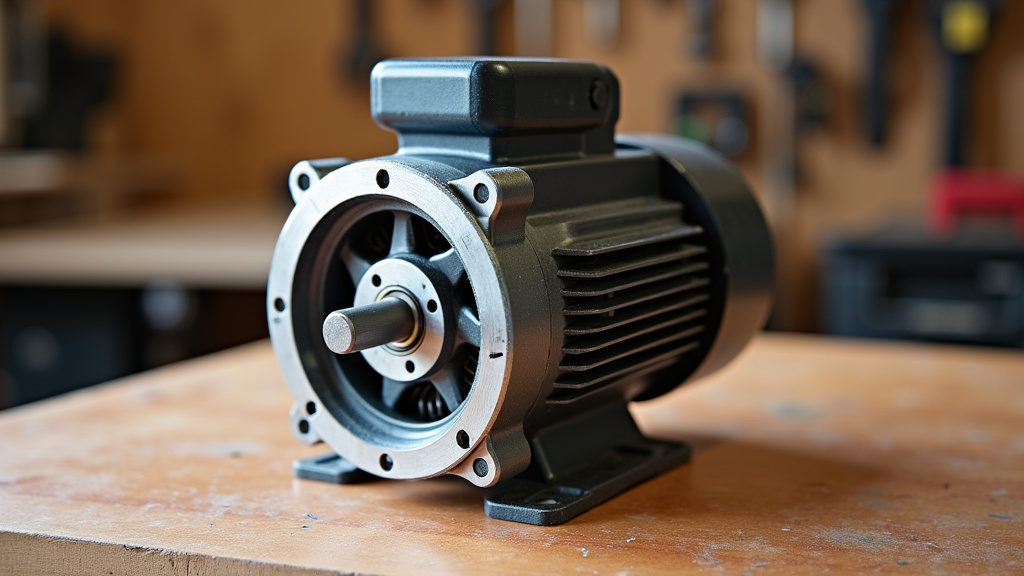
Taking care of your table saw motor is essential for its lifespan. Regular cleaning and a bit of attention can prevent many common problems. Think of it as routine check-ups for your tool’s engine.
For universal motors, periodically check the brushes. If they appear worn down, they will need to be replaced. For all motors, keeping the motor housing clean is vital. Dust and debris can impede airflow, causing the motor to overheat. We found that a simple blast of compressed air can work wonders.
Ensure your saw is properly grounded and that extension cords are heavy-duty and in good condition. Faulty wiring can damage the motor. Many motor manufacturers recommend avoiding excessive extension cord lengths, as voltage drop can reduce motor efficiency. Always consult your owner’s manual for specific maintenance recommendations.
What to Look For When Buying a Table Saw Motor (and Saw)
When you’re in the market for a new table saw, pay close attention to the motor specifications. This is arguably the most important component. The HP rating should align with the types of wood you plan to cut most often.
Consider the motor type: universal for portability and speed, or induction for durability and quieter operation. Check if the saw uses a direct-drive or belt-drive system, as this impacts vibration and maintenance. For heavier work, look for saws with higher amperage ratings and robust induction motors.
A quick checklist for assessing your saw’s motor:
- Horsepower (HP): Match to your typical wood types.
- Amperage (Amps): Ensure your electrical system can handle it.
- Motor Type: Universal (lighter, noisier) or Induction (durable, quieter).
- Drive System: Direct Drive (simpler) or Belt Drive (smoother, isolates motor).
- Brand Reputation: Look for brands known for reliable motors.
- Warranty: Check the warranty period for the motor itself.
Conclusion
Your table saw motor is truly the engine of your woodworking. You’ve learned how horsepower and amperage tell you about its raw power and electrical needs. Understanding the difference between noisy, brush-driven universal motors and quieter, more durable induction motors helps you choose wisely. Whether direct or belt-driven, and mounted under the table or on the trunnion, the motor’s design impacts your saw’s performance. Keep your motor clean and well-maintained to ensure it keeps powering your projects for years. Now, take a moment to review your current saw’s motor or consider these facts for your next purchase.
Frequently Asked Questions
What happens if my table saw motor overheats?
Overheating can shorten your motor’s lifespan. It often means dust is blocking air vents, or you’re pushing the motor too hard with dense materials. A quick cleaning with compressed air can help. If it happens frequently, you might need a saw with a more powerful motor for your tasks.
Can I upgrade my table saw motor?
Upgrading a table saw motor is usually not practical or cost-effective for most users. The motor is often integrated with the saw’s mounting and electrical system. It’s generally better to buy a saw that already has the motor specifications you need for your projects.
How do I know if my table saw motor is failing?
Signs of a failing motor include a burning smell, unusual noises like grinding or excessive humming, and a noticeable loss of power. If the motor struggles to get up to speed or stops unexpectedly, it may be nearing the end of its life.
Is a belt-drive or direct-drive motor better for a table saw?
For most home users, the difference might not be a deal-breaker. Belt-drive motors are often found on heavier-duty saws and can offer a smoother cut by absorbing vibration. Direct-drive motors are simpler, lighter, and common on portable saws, making them easier to transport.
Does the motor’s RPM matter as much as horsepower?
RPM (Revolutions Per Minute) indicates how fast the blade spins. While high RPMs help with clean cuts, horsepower indicates the motor’s strength to maintain that speed under load, especially in tougher woods. Both are important, but horsepower often defines the saw’s capability for harder tasks.