What Is a Table Saw Stand? What You Should Know
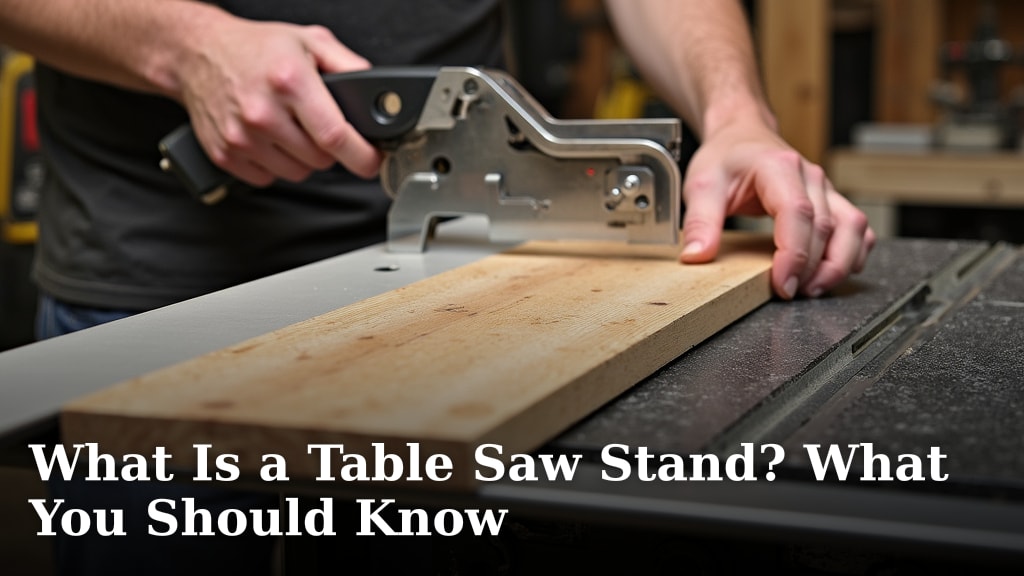
A table saw stand is a support structure designed to hold your table saw securely. It raises the saw to a comfortable working height. This makes it easier and safer for you to use your saw for various projects. A good stand can also make your saw portable.
Think of it as a sturdy table just for your table saw. Many stands offer features like mobility or storage for accessories. They help keep your workspace tidy and your saw ready to go. Finding the right one means your saw will be stable and at the perfect height for your needs.
TL;DR:
- A table saw stand holds your saw.
- It raises the saw to a usable height.
- Stands can make your saw easier to move.
- They help keep your workspace organized.
- Choosing the right stand improves safety.
We found that understanding what makes a table saw stand work for you is key to better woodworking. Let’s look at what you should know about these essential tools.
Understanding Your Table Saw Stand: What It Does and Why You Need One
A table saw stand is essentially a support system for your table saw. It’s built to keep your saw steady and at a comfortable height. Think of it like a workbench, but specifically designed for your saw’s dimensions and weight. Without a proper stand, your table saw might sit too low on the floor. This can make it awkward and less safe to use.
We found that the right stand can truly transform your woodworking experience. It’s not just about holding the saw. It’s about making the saw easier to operate and even easier to move. This means less bending over and more control during cuts. It’s a foundational piece for any serious woodworker.
Why a Stand Isn’t Just an Optional Accessory
Many people wonder if they really need a dedicated stand. Can’t they just put their saw on a sturdy table or the floor? While it might seem like a shortcut, research shows this can be a mistake. A table saw is a powerful tool. It requires a stable platform for safe and accurate work. Simply placing it on an unstable surface can lead to dangerous kickbacks or uneven cuts.
We’ve seen that dedicated stands are engineered for this specific purpose. They offer stability and the correct working height. This is crucial for preventing accidents and achieving precision. Many are designed with vibration dampening too. This means your saw runs smoother and you get cleaner cuts.
Different Types of Table Saw Stands You’ll Find
When you start looking, you’ll notice a few main types of stands. Each has its own advantages. Knowing these can help you pick the best one for your shop. The main categories often include stationary stands, portable stands, and mobile stands with wheels.
Stationary Stands: The Rock-Solid Option
Stationary stands are built for permanence. They are usually bolted to the floor or very heavy. Their primary benefit is unmatched stability. If your table saw lives in one spot in your workshop, this is a great choice. They offer the most secure base for heavy-duty sawing. You won’t have to worry about the saw shifting during operation.
Portable Stands: For the On-the-Go Woodworker
Portable stands are designed to be lightweight and foldable. They are perfect if you need to set up your saw in different locations. Maybe you work in a small garage and need to pack things away. Or perhaps you do jobs on-site. These stands often collapse easily for transport and storage. They might not be as heavy as stationary models, but good ones are still quite stable for their size.
Mobile Stands: The Best of Both Worlds
Mobile stands are a popular choice. They offer a balance between stability and portability. These stands typically have built-in wheels and often legs that can be folded down. When the wheels are down, the stand sits firmly on the floor. When you need to move it, you can lift the legs or tilt it onto the wheels. This makes relocating your saw much easier for a single person.
Key Features to Look For in a Table Saw Stand
Beyond the basic type, several features can make a stand much more useful. Think about your workspace and how you plan to use your saw. What will make your work easier and safer? We found that these details can make a big difference.
Height Adjustment: Finding Your Sweet Spot
Not all users are the same height. A stand with adjustable height allows you to set the saw at the perfect level for you. This reduces strain and improves your ability to guide materials. Many guidelines for woodworking safety suggest a comfortable working height to maintain good posture and control (Occupational Safety and Health Administration).
Having an adjustable stand means you can customize it. You can set it for your specific needs. This is especially helpful if multiple people use the saw. It ensures everyone can operate it safely. We’ve seen that even a few inches of adjustment can make a big difference in comfort and accuracy.
Portability and Mobility Features: Wheels and Handles
If you ever plan to move your table saw, look for features that help. Wheels are the most obvious. Some stands have small, basic wheels. Others have larger, more robust ones that handle uneven surfaces better. Good quality wheels can make moving a heavy saw much more manageable.
Handles are also important. Easy-grip handles make it simpler to lift and steer the saw when it’s on its wheels. Some stands even include a system to help you roll the saw like a dolly. This is a lifesaver if you’re working alone. We found that a well-designed mobility system is a major plus.
Storage Solutions: Keeping Things Tidy
Table saws often have accessories like extra blades, push sticks, or wrenches. A stand with built-in storage can be a real bonus. Shelves or drawers can keep these items close at hand. This prevents clutter on your workbench. It also means you won’t waste time searching for them when you need them.
Some stands have trays or compartments specifically designed for common tools. This keeps your workspace organized and efficient. We found that good storage helps maintain a safer environment. Less clutter means fewer tripping hazards and less chance of losing important items.
Weight Capacity and Construction: Durability Matters
Your table saw can be heavy. The stand needs to be strong enough to support it without flexing. Always check the weight capacity of a stand before buying. It should be rated for your specific saw model, plus a safety margin. Heavy-gauge steel is a good sign of a durable stand.
We found that the construction quality is key to longevity. Look for solid welds and sturdy joints. A stand that feels wobbly when you push on it is a red flag. Your table saw is an investment, and its stand should protect that investment by providing a secure and stable base.
Setting Up Your Table Saw on Its New Stand
Once you have your stand, the next step is mounting your saw. Most stands come with instructions for this. It’s usually a straightforward process, but take your time. Read the manual for both your saw and your stand carefully.
You’ll typically need to align the mounting holes on the saw with those on the stand. Then, you’ll use bolts and washers to secure it. Make sure all fasteners are tightened properly. We found that double-checking your work here is a good practice. Ensure the saw is level and doesn’t rock on the stand.
Safety Considerations When Using a Table Saw Stand
Safety is the number one reason to use a proper table saw stand. A stable, correctly-heightened saw is inherently safer. But there are still precautions to take.
- Always ensure the stand is on a level surface. Uneven ground can cause instability.
- Check that all locking mechanisms are engaged, especially on portable or mobile stands.
- Keep the area around the saw clear of debris. Clutter is a safety hazard.
- Use push sticks and other safety devices as recommended by the saw manufacturer.
Research consistently points to proper setup and safe practices as reducing accidents (Consumer Product Safety Commission). A good stand is a vital part of that setup. It provides the solid foundation you need for safe operation.
A Quick Checklist for Choosing Your Stand
To help you decide, consider these points:
- Do you need to move your saw often? If yes, prioritize wheels and handles.
- What is your workshop space like? A small space might need a foldable or mobile stand.
- What is the weight of your table saw? Ensure the stand’s capacity is sufficient.
- Is adjustable height important for you? Look for stands that offer this feature.
- Do you need storage for accessories? Check for built-in shelves or trays.
- What is your budget? Stands range in price, so find one that fits your needs and your wallet.
Conclusion
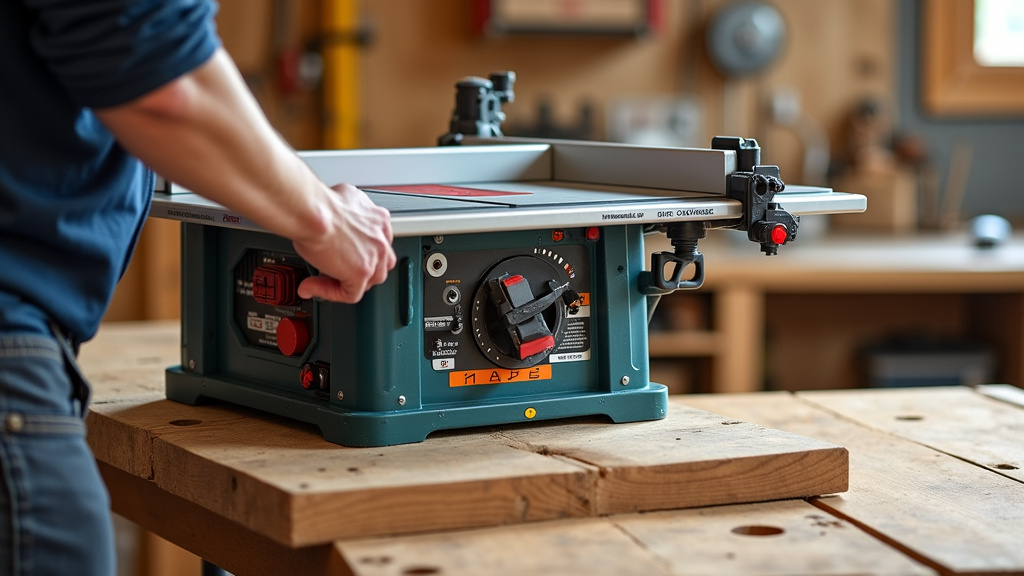
You’ve learned that a table saw stand is much more than just a place to put your saw. It’s a vital component for safety, efficiency, and ergonomics in your workshop. Whether you need rock-solid stability from a stationary unit, or the flexibility of a mobile or portable stand, the right choice makes a real difference. Investing in a quality stand means you’re investing in better control over your cuts and a more comfortable workspace.
Take the time to assess your shop’s needs and your workflow. Then, choose a stand that offers the stability, mobility, and features that best suit you. Your next step is to measure your saw and compare it against the specifications of stands you’re considering. This ensures a perfect fit and a secure setup for all your projects.
Frequently Asked Questions
Can I use my table saw without a stand?
While you technically can place a table saw on a sturdy table or the floor, it’s not recommended for safety and accuracy. A proper stand provides a stable, level, and ergonomically correct height. This setup is crucial for preventing accidents and achieving precise cuts during operation.
What’s the difference between a portable and a mobile stand?
Portable stands are generally lightweight and designed to fold up easily for transport and storage, often without wheels. Mobile stands typically include built-in wheels and sometimes legs that deploy, making them easier to move around your workspace while still offering good stability when in use.
How do I know if a stand can support my table saw’s weight?
Always check the manufacturer’s stated weight capacity for the stand. Ensure it comfortably exceeds the weight of your specific table saw model. A good rule of thumb is to choose a stand rated for at least 20-30% more weight than your saw to ensure it’s stable and durable.
Are adjustable height stands worth the extra cost?
Adjustable height stands can be very beneficial if you’re not a standard height or if multiple people will use the saw. They allow you to set the ideal working level, which reduces strain and improves your control. For many woodworkers, this ergonomic benefit makes them well worth the investment.
Do I need storage features on my table saw stand?
Storage isn’t essential for every user, but it can greatly improve workshop organization. If you have many accessories like extra blades, push sticks, or wrenches, a stand with built-in shelves or trays keeps them close at hand. This reduces clutter and saves you time searching for tools.