What Is a Table Saw Arbor? The Plain English Answer
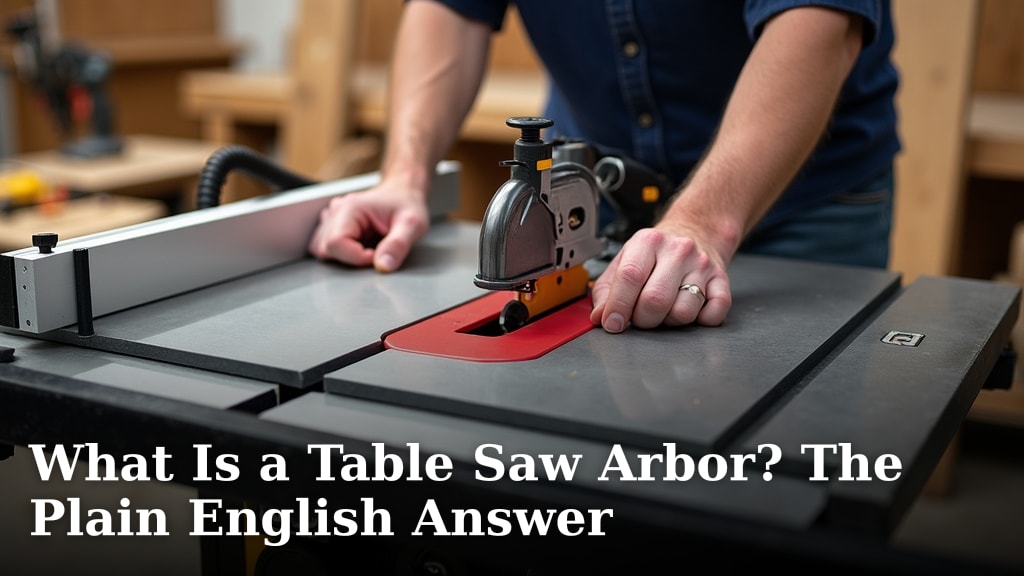
A table saw arbor is the rotating shaft that holds your saw blade. It’s a critical part of your table saw. Think of it as the anchor for the spinning blade that cuts your wood.
This metal rod sticks out from the motor. The blade mounts onto it, and a nut secures it. A well-maintained arbor ensures accurate and safe cuts. It’s designed to handle the forces of a spinning blade at high speeds.
TL;DR:
- The arbor holds your table saw blade.
- It’s a metal shaft connected to the motor.
- A secure arbor means safer, straighter cuts.
- It needs to be straight and clean to work right.
Ready to get a clearer picture? Below, we break down exactly what a table saw arbor is and why it matters for your projects.
Understanding Your Table Saw’s Arbor
The table saw arbor is the part that makes your blade spin. It’s the heartbeat of your cutting operation. Without a functioning arbor, your table saw is just a piece of metal. This rod is precisely machined. It needs to be perfectly straight and clean to do its job well. Think of it like the axle on a car wheel. It has to be true and strong for the wheel to spin smoothly and safely.
This central shaft connects directly to the table saw’s motor. The motor’s power is transferred through the arbor to the saw blade. Its job is to hold the blade securely and rotate it at high speeds. This spinning action is what cuts through your wood. It’s a simple concept with a lot of engineering behind it. Ensuring this part is in good condition is key to safe and accurate woodworking. For guiding your wood, learn about the table saw fence.
What Exactly Is the Arbor?
The table saw arbor is a metal shaft. It’s usually made of steel and has threads on one end. This threaded end is where the saw blade is mounted. A nut screws onto these threads to hold the blade firmly in place. The arbor extends out from the motor housing. It passes through the saw’s internal mechanisms and then through the table’s opening where the blade protrudes.
The diameter of the arbor is standard for most table saws. For the US, this is commonly 5/8 of an inch. This standard size means most saw blades will fit. You don’t usually need to worry about matching a specific arbor size to a blade. It’s designed to accept the most common blade types. This makes swapping blades out pretty straightforward.
The Arbor’s Connection to the Motor
The arbor is directly attached to the motor’s drive shaft. Sometimes, it’s a single unit with the motor shaft. Other times, it’s a separate piece that couples to the motor. Either way, when the motor spins, the arbor spins with it. The speed of the motor dictates the speed of the arbor and, therefore, the blade. This connection needs to be robust to handle the torque. If you need portability, consider what makes a jobsite table saw different.
This direct link is why even a slight wobble in the arbor can cause major problems. If the arbor isn’t spinning true, neither will the blade. This affects the precision of your cuts. It can also introduce dangerous vibrations. Keeping this connection tight and clean is essential for performance and safety.
Key Components of the Arbor Assembly
Besides the arbor shaft itself, there are a few other critical parts. These components work together to hold the blade securely. You’ve got the arbor nut, which is the threaded fastener. There are also washers. These go on either side of the blade. They help distribute pressure and protect the blade’s center hole.
These parts might seem small, but they are very important. The arbor nut needs to be tightened correctly. Not too loose, not too tight. The washers ensure the blade sits flush and evenly. Properly assembling these parts is part of maintaining your table saw. It ensures the blade remains stable during operation.
Why Does the Arbor Matter So Much?
The arbor’s condition directly impacts the quality and safety of your cuts. If the arbor is bent, warped, or damaged, your blade won’t spin perfectly. This means your cuts won’t be straight. You might experience rough edges on your wood. In severe cases, a damaged arbor can lead to the blade wobbling violently.
A wobbling blade is not only inaccurate but incredibly dangerous. It can cause kickback, where the wood is violently thrown back at you. This is a primary cause of woodworking injuries. Therefore, ensuring your arbor is in excellent condition is a top priority for any table saw user.
Ensuring Accurate Cuts
For precise cuts, your blade needs to be perfectly perpendicular to the table. It also needs to spin without any deviation. The arbor is the component that ensures this. If the arbor is straight, the blade it holds will also be straight relative to the motor’s spin. Any misalignment here translates directly to imperfect cuts.
When you make a cut, the blade should glide through the wood cleanly. If the arbor is bent, you’ll notice the blade “wandering” slightly as it cuts. This is frustrating when you need exact dimensions. It often leads to needing to re-cut or trying to fix a bad cut, wasting time and material.
Safety First: The Arbor’s Role
Safety is paramount when using a table saw. The arbor is a silent guardian when functioning correctly. A straight, strong arbor keeps the blade spinning true and stable. This stability is what prevents most dangerous situations like kickback. Think of it as the anchor holding a spinning top. If the anchor is loose or crooked, the top will fall over unpredictably.
When you check your table saw, inspecting the arbor should be part of your routine. Is it clean? Is it free from rust or dents? Does the blade mount securely? These are all safety checks. Many safety organizations, like OSHA, highlight the importance of well-maintained equipment for preventing accidents (OSHA).
Common Arbor Problems and How to Spot Them
Arbors are tough, but they can develop issues over time. The most common problems involve damage, wear, or contamination. You might encounter a bent arbor. This is often caused by dropping a motor or forcefully impacting the blade or arbor assembly. Another issue is rust or debris accumulation.
If you hear unusual noises, feel excessive vibration, or see the blade wobbling, it’s time to investigate the arbor. These are clear signs that something isn’t right. Don’t ignore these symptoms; they are your saw telling you it needs attention.
Bent or Warped Arbors
A bent arbor is arguably the most serious problem. Even a slight bend can cause significant wobbling. You can often detect this by visually inspecting the arbor while the saw is off. Slowly rotate the arbor by hand. Look for any lateral movement or deviation from a perfectly circular path. You can also use a dial indicator for a more precise measurement.
If you suspect your arbor is bent, it’s usually best to get it professionally repaired or replaced. Trying to straighten a bent arbor yourself is often difficult and may not result in a perfectly true shaft. A bent arbor compromises both accuracy and safety significantly.
Rust and Debris on the Arbor
Arbors can accumulate sawdust, rust, or dried glue over time. This is especially true if the saw is stored in a humid environment or if cleaning is neglected. This buildup can prevent the blade from mounting flush. It can also cause the blade to sit at a slight angle, affecting your cuts. Rust can also weaken the arbor over time.
Cleaning the arbor is a routine maintenance task. You can use a wire brush or fine-grit sandpaper to remove rust and debris. Ensure the threads are clean and smooth. A clean arbor allows the blade and nut to seat properly. This is a simple step that makes a big difference.
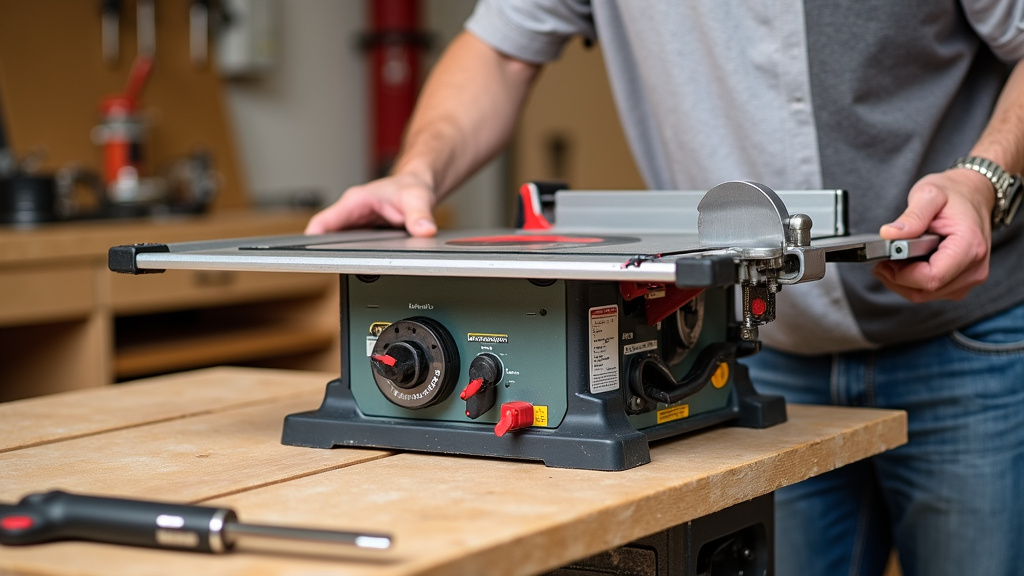
Maintaining Your Table Saw Arbor for Longevity
Proper maintenance ensures your table saw operates safely and accurately for years. A key part of this is keeping the arbor in top shape. This involves regular cleaning and inspection. It also means using the correct accessories and tightening them properly.
Think of your table saw arbor like the engine in your car. You wouldn’t ignore strange noises or skip oil changes. Regular attention to the arbor will prevent more serious issues down the line. It’s an investment in your tools and your projects.
Regular Cleaning Practices
Make it a habit to clean the arbor after each significant use. Use a stiff brush to remove sawdust. For tougher grime or rust, use a brass brush or fine-grit sandpaper. Ensure you wipe it dry afterward to prevent moisture buildup. Many woodworkers find it helpful to apply a thin coat of paste wax to the arbor. This helps prevent rust and makes future cleaning easier.
A clean arbor ensures the blade sits perfectly flat against the flange (the part of the arbor it rests on). This is essential for vibration-free operation. It also ensures the arbor nut can be tightened correctly without slipping.
Proper Blade Mounting Procedure
When you change your table saw blade, follow a strict procedure. First, ensure the saw is unplugged. Then, place the correct arbor washer on the arbor shaft. Mount the blade, making sure the teeth are pointing in the correct direction for your saw. Some saws have directional markings.
Next, place the second arbor washer over the blade. Finally, screw on the arbor nut. Tighten it firmly with the appropriate wrench. You don’t need to overtighten it, but it should be snug enough that the blade doesn’t move at all. Check your saw’s manual for specific tightening recommendations.
Checklist for Arbor Health
Here’s a quick rundown to ensure your arbor is in good shape:
- Is the arbor shaft perfectly straight? (No visible wobble)
- Are the threads clean and free of damage?
- Is there any rust or significant debris?
- Does the blade mount flush and securely?
- Is the arbor nut tightened properly?
Addressing these points regularly will keep your table saw running smoothly. You’ll get better cuts and avoid potential safety hazards. It’s a small amount of effort for a big return in performance and peace of mind.
Conclusion
You’ve learned that the table saw arbor is the essential metal shaft that holds and spins your saw blade. It’s the direct link to your motor, making its condition vital for both accuracy and safety. A straight, clean arbor means precise cuts and a reduced risk of dangerous kickback. By regularly cleaning your arbor, inspecting it for damage, and ensuring the blade is mounted correctly, you’re investing in your table saw’s longevity and your own peace of mind. Make these simple checks a routine part of your woodworking.
Frequently Asked Questions
What happens if my table saw arbor is bent?
A bent arbor will cause your saw blade to wobble during operation. This leads to inaccurate cuts, rough wood edges, and significantly increases the risk of dangerous kickback. It’s a serious issue that compromises both your project quality and your safety.
Can I fix a bent table saw arbor myself?
Attempting to straighten a bent arbor at home is usually not recommended. It’s difficult to achieve the necessary precision, and improper attempts can make the problem worse. For a bent arbor, professional repair or replacement of the arbor or motor is generally the safest and most effective solution.
How often should I clean my table saw arbor?
It’s a good practice to clean your table saw arbor after each significant use, especially if you’re working with materials that produce a lot of dust. A quick wipe-down and brush can prevent buildup, while a more thorough cleaning with a wire brush or fine sandpaper should be done periodically.
Why is rust on the arbor a problem?
Rust on the arbor can prevent the saw blade from seating perfectly flat, leading to vibrations and inaccurate cuts. It can also weaken the arbor over time and make it harder to achieve a secure blade mount. Cleaning and protecting the arbor from rust is key for performance and safety.
Does the arbor diameter matter when buying a new blade?
For most standard table saws in the US, the arbor diameter is 5/8 of an inch. This size is designed to fit the vast majority of common saw blades, so you typically don’t need to worry about matching a specific arbor size to a blade unless you have an unusual saw.