What Is a Stationary Table Saw? A Clear Explanation

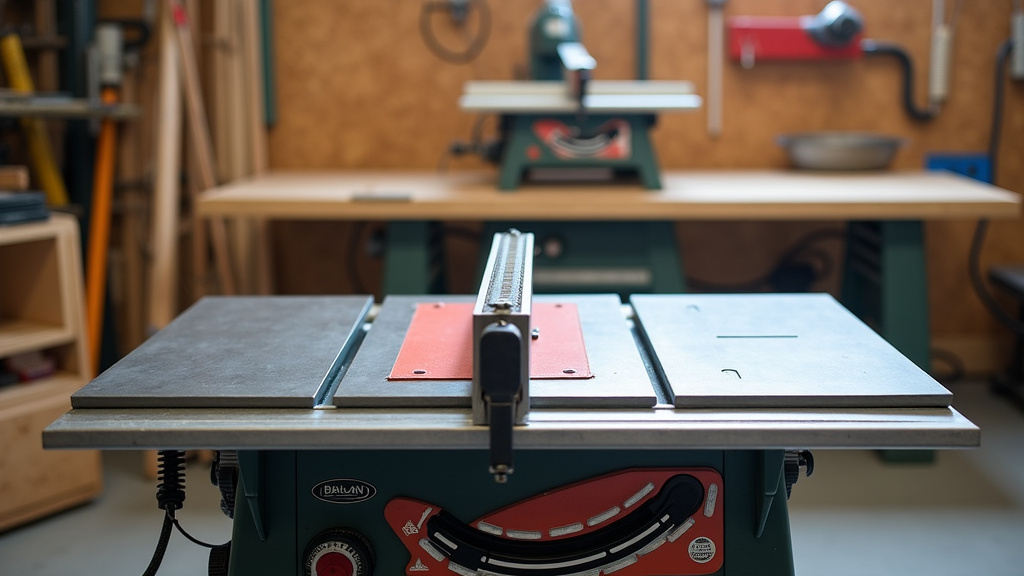
A stationary table saw is a large, powerful woodworking machine that sits in one place. Its main blade extends up through a flat table surface. You push wood across this table to make cuts. It’s a workshop staple for serious DIYers and professionals.
Think of it as the workhorse of your cutting needs. Unlike portable saws, these are built for stability and precision. They handle tougher materials and more demanding tasks. We found that having one makes many woodworking projects much easier.
- A stationary table saw is a fixed woodworking machine.
- It has a blade that sticks out of a flat table.
- You slide wood across the table to cut it.
- It’s known for power and accuracy.
- Many experts agree it’s essential for serious woodworkers.
Let’s break down exactly what a stationary table saw is and why it might be the right tool for your workshop.
Understanding What a Stationary Table Saw Is
So, what exactly is a stationary table saw? Think of it as the immovable anchor of your woodworking shop. Unlike the saws you might carry around, a stationary table saw is built to stay put. Its defining feature is a large, flat table with a circular blade that rises from the center. You guide the wood you’re cutting across this table surface. Many woodworkers find this setup offers unparalleled control and accuracy for their projects.
These saws are designed for power and precision. They have robust motors and sturdy construction. This allows them to handle larger, thicker pieces of wood with ease. For anyone serious about woodworking, from hobbyists to professionals, a stationary table saw is often considered an essential tool. We’ve found that investing in one can truly transform your ability to create detailed and complex projects.
Key Components of a Stationary Table Saw
Let’s take a closer look at the parts that make up a stationary table saw. Understanding these components will help you appreciate how it works and what to look for if you’re considering purchasing one.
The Tabletop
The most obvious part is the tabletop itself. This is usually made of cast iron or a very sturdy metal. It provides a large, flat, and stable surface. Your wood slides across this surface during cuts. A good tabletop is precision-ground, meaning it’s perfectly flat. This flatness is crucial for making accurate cuts. You’ll often find miter slots built into the table, which are grooves used with a miter gauge for angled cuts.
The Blade and Arbor
The blade is what does the cutting. It’s a circular saw blade that spins at high speed. It extends up through a slot in the tabletop. The blade is attached to an arbor, which is a shaft powered by the saw’s motor. You can typically adjust the blade height, raising or lowering it to control how much of the blade protrudes above the table. This is important for different types of cuts, like making dados or cutting through thick lumber. The arbor is also where you’ll attach different types of blades for various tasks, such as ripping (cutting with the grain) or crosscutting (cutting across the grain).
The Motor and Drive System
The motor is the powerhouse of the table saw. Stationary table saws typically have more powerful motors than their portable counterparts. They can range from 1 to 5 horsepower, or even more. This power is transferred to the arbor through a drive system. Most often, this is a belt-drive system. A belt connects the motor pulley to the arbor pulley. This system helps to absorb vibrations and can be quieter than a direct-drive system. Some high-end saws might use direct drive, but belt drive is very common and effective.
The Fence
The fence is a critical component for making straight, repeatable cuts. It’s a long, adjustable guide that runs parallel to the saw blade. You set the distance between the fence and the blade to determine the width of your cut. A good fence glides smoothly and locks securely in place. We found that a well-designed fence is essential for achieving consistent results, especially when making multiple identical cuts. Many fences are designed to be very rigid to prevent flexing during use. A well-designed fence is essential for achieving consistent results, especially when making multiple identical cuts.
The Miter Gauge
While the fence is for cuts parallel to the blade, the miter gauge is used for cuts perpendicular to the blade. It’s a device that slides in the table’s miter slots. It has an adjustable head that can be set to various angles. You place your wood against the miter gauge and push it through the blade. This is how you make accurate crosscuts and angled cuts across the width of a board. A good miter gauge should be sturdy and offer precise angle settings.
How a Stationary Table Saw Works for You
Using a stationary table saw involves a specific workflow designed for safety and precision. The core idea is to use the table and its guides to control the wood as it passes through the spinning blade.
Making Straight Cuts with the Fence
For ripping boards to a specific width, you’ll use the fence. First, you measure and mark your desired width on the wood. Then, you adjust the fence so the distance between it and the blade matches your mark. You then push the wood through the blade, keeping it firmly against the fence. This ensures the cut is parallel to the edge of the wood and exactly the width you need. It’s this guided cutting that gives table saws their reputation for accuracy.
Performing Crosscuts with the Miter Gauge
When you need to cut a board to a specific length, you use the miter gauge. You place your board on the table and align the cut line with the blade. Then, you slide the miter gauge, with the board held against it, through the blade. If you need an angled cut, you adjust the miter gauge head to the desired angle before making the cut. This method gives you a lot of control over the piece being cut.
Safety Considerations in Operation
Safety is absolutely paramount when operating any power tool, and a table saw is no exception. Always wear safety glasses to protect your eyes from flying debris. Ensure the blade guard is in place whenever possible. Never reach over the blade. Many experts recommend using a push stick or push block to guide shorter pieces of wood through the cut, keeping your hands away from the blade. Understanding the proper safety procedures is as important as knowing how to make a cut.
Why Choose a Stationary Table Saw Over Other Saws?
You might be wondering why you’d choose a stationary table saw when there are other types of saws available. The answer lies in their unique capabilities for specific woodworking tasks.
Power and Capacity
Stationary table saws are built for power. Their larger motors can easily handle thick hardwoods and large sheet goods. They have a much greater cutting capacity than handheld saws or even smaller benchtop saws. This means you can cut larger pieces of wood more efficiently and with less strain on the tool. We found that tackling large projects is significantly easier with the brute force a stationary saw provides.
Precision and Repeatability
The fixed nature and guided cutting system of a stationary table saw lead to exceptional precision. Once you set the fence or miter gauge, you can make multiple identical cuts with confidence. This repeatability is essential for projects that require perfectly matched components. Many woodworking enthusiasts choose these saws specifically for the level of accuracy they offer, which is hard to achieve with other tools.
Versatility in Cuts
Beyond simple ripping and crosscutting, stationary table saws are incredibly versatile. You can use them to make dados (grooves cut across the grain), rabbets (grooves cut along the edge of a board), bevel cuts (angled cuts along the edge of a board), and even complex joinery with the right attachments and techniques. This versatility makes it a central tool for a wide range of woodworking tasks.
Stability and Reduced Vibration
Because they are designed to stay in one place, stationary table saws offer superior stability. They are often bolted down to the floor or a sturdy workbench. This stability, combined with their robust construction, means less vibration. Reduced vibration leads to cleaner cuts and a more comfortable working experience. It also helps ensure the saw remains accurately calibrated over time.
Who Benefits Most from a Stationary Table Saw?
While a table saw can be useful for many, certain groups of users stand to gain the most from owning one.
- Serious Hobbyists: If you spend a lot of time on woodworking projects, you’ll appreciate the power and precision.
- Cabinet Makers: Creating consistent, high-quality cabinets requires precise cuts, which a stationary table saw excels at.
- Furniture Builders: Building sturdy, well-fitting furniture demands accuracy that these saws readily provide.
- Woodworkers Tackling Large Projects: Cutting large sheet goods or thick lumber is where these saws truly shine.
- Those Seeking Efficiency: For repetitive tasks, the speed and accuracy of a table saw save significant time.
Essential Accessories to Consider
To get the most out of your stationary table saw, you’ll want to consider a few key accessories. These can enhance safety, improve cut quality, and expand the saw’s capabilities.
- Push Sticks and Push Blocks: Essential for hand safety.
- Dado Stack: For cutting wide grooves quickly.
- Table Saw Inserts: To adjust for different blade types or zero-clearance needs.
- Router Table Insert: Some saws can be outfitted with a router table attachment.
- Mobile Base: If you need to move the heavy saw around your shop.
- Dust Collection System: Sawdust is inevitable; a good system keeps your workspace cleaner and safer.
Conclusion
You now understand that a stationary table saw is a robust and precise tool for any serious woodworking enthusiast. Its stable design, powerful motor, and guiding components like the fence and miter gauge make it ideal for accurate rips, crosscuts, and even more complex tasks. While it requires dedicated space and a commitment to safety, the precision and efficiency it offers can truly transform your projects. If you’re ready to take your woodworking to the next level, researching and choosing the right stationary table saw is your next logical step.
Frequently Asked Questions
Are stationary table saws hard to learn how to use?
Learning to use a stationary table saw takes practice, but it’s very manageable. The core principles of using the fence for straight cuts and the miter gauge for crosscuts are straightforward. We found that focusing on safety first, like using push sticks, makes the learning process much smoother and more confident.
Can I use a stationary table saw for small DIY projects?
Yes, you can use a stationary table saw for smaller DIY projects. While they are built for larger tasks, their precision makes them excellent for smaller, detailed work too. You’ll find it easier to make very accurate cuts for smaller components compared to using handheld saws.
What’s the difference between a stationary table saw and a contractor saw?
A contractor saw is a type of stationary table saw, but generally lighter and more portable than a cabinet saw. Cabinet saws are the heaviest, most powerful, and offer the best dust collection and vibration control. We’ve seen that contractor saws offer a good balance for many home workshops. A contractor saw is a type of jobsite table saw, but generally lighter and more portable than a cabinet saw.
How much space do I really need for a stationary table saw?
You need more space than you might think. You’ll need room for the saw itself, plus ample space in front to feed material and space behind for dust collection. We recommend at least 3-4 feet of clear space around the saw for safe operation and material handling.
Is a stationary table saw safe for beginners?
A stationary table saw can be safe for beginners if proper precautions are taken. Always wear safety glasses and use push sticks or blocks to keep your hands away from the blade. It’s essential to read your saw’s manual thoroughly and understand all safety features before you begin cutting.